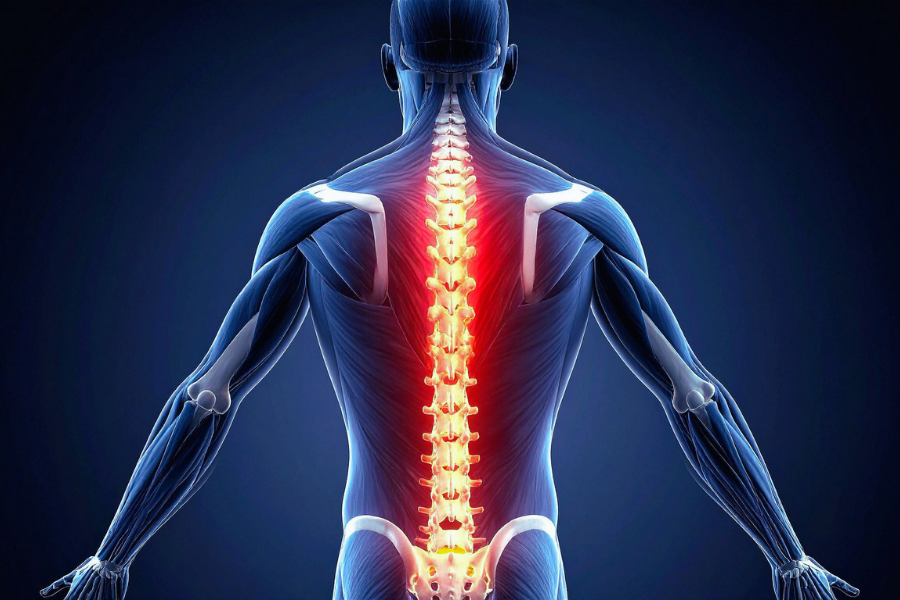
8 Alternatives to Spinal Cord Stimulator Implants
Learn about non-surgical alternatives to spinal cord stimulators, from pain reprocessing therapy and CBT to exercise, acupuncture, and TENS. This guide explains how different approaches target chronic pain mechanisms, improve function, and support personalized treatment decisions. This resource helps readers compare available approaches before making informed treatment choices.

Spinal cord stimulators (SCS) are implanted devices designed to interrupt pain signals between the spinal cord and the brain. They are most commonly recommended for people with chronic back pain, failed back surgery syndrome (FBSS), complex regional pain syndrome (CRPS), and certain neuropathic pain conditions. But the procedure is invasive, expensive, and outcomes are far from certain.
A 2023 Cochrane systematic review of 13 randomized trials found that SCS probably does not improve pain, function, or quality of life compared to placebo at six months. Complication rates reach 21-43% across studies. Roughly one in ten patients undergoes device removal, most commonly because pain relief was inadequate. Initial implantation costs $35,000 to $70,000, and pain relief often fades within two years as the nervous system adapts.
If you or your clinician are weighing a spinal cord stimulator, these eight alternatives are worth exploring first.
Key Takeaways
- A 2023 Cochrane review found SCS probably does not improve pain, function, or quality of life versus placebo at six months.
- Behavioral approaches like pain reprocessing therapy show durable relief in adults with chronic back pain, with over half of participants maintaining results at five years.
- The CDC's 2022 guideline recommends non-pharmacologic therapies, including psychological and physical approaches, before invasive procedures.
- Less invasive electrical options like TENS deliver similar pain-signal modulation without surgical risks or device implantation.
- A stepped-care approach, starting with behavioral and physical therapies, may reduce the need for implanted devices in many chronic pain populations.
1. Neuroplastic Pain Recovery Programs
For people with chronic pain driven by nervous system sensitization rather than ongoing tissue damage, neuroplastic pain recovery targets the root mechanism: a pain alarm that has become stuck in the brain's neural pathways.
How it works
After tissue heals, typically within three months of an injury, pain can persist because the nervous system has learned to keep firing danger signals. This process, known as central sensitization, amplifies pain perception even when no structural damage remains. Neuroplastic pain recovery uses behavioral techniques to retrain these neural pathways and reduce the brain's pain response.
Many of the conditions for which SCS is commonly recommended, including chronic lower back pain and FBSS, involve nociplastic pain mechanisms that hardware-based interventions do not address.
What the evidence shows
In a randomized trial of 151 adults with chronic back pain, two-thirds of participants treated with pain reprocessing therapy (PRT) became nearly pain-free after four weeks of treatment, compared to 20% with placebo and 10% with usual care. At the five-year follow-up, more than half of PRT participants remained pain-free or nearly pain-free.
Lin Health's program is based on findings from PRT, CBT, ACT, and EAET research. It pairs each patient with a trained recovery coach for weekly live sessions, supported by an app with structured learning and practice modules. The program is covered by insurance in Colorado, Texas, Florida, California, and New York, with patients typically paying zero out of pocket.
Who it may help
Adults with chronic back pain, neck pain, fibromyalgia, or other conditions where central sensitization plays a role. Particularly relevant for people who have not responded to purely structural interventions like injections, surgery, or spinal fusion.
2. Cognitive Behavioral Therapy (CBT) for Chronic Pain
CBT is the most extensively studied psychological treatment for chronic pain. It helps people identify and change thought patterns and behaviors that amplify pain perception and disability.
How it works
Pain-focused CBT addresses the cognitive and emotional responses that fuel the chronic pain cycle: catastrophizing, fear-avoidance, and activity withdrawal. Through structured sessions, patients learn techniques like cognitive restructuring, pacing, and relaxation training.
What the evidence shows
CBT reduces pain and disability for adults with chronic pain, with effects generally maintained at follow-up. For remotely delivered CBT, participants were twice as likely to achieve 30% pain reduction compared to usual care. An overview of systematic reviews confirmed CBT's advantage over usual care for both pain and disability.
Lin Health's program incorporates CBT-based techniques as part of its multimodal approach, delivered through recovery coaches rather than requiring a separate therapist referral.
Who it may help
Adults with chronic pain conditions including back pain, fibromyalgia, and neuropathic pain. The CDC's 2022 guideline recommends CBT first-line for chronic pain management.
3. Physical Therapy and Graded Exercise
Physical therapy remains a foundational treatment for many chronic pain conditions. When combined with graded exercise, it helps restore function and reduce pain-related disability.
How it works
Graded exercise progressively increases activity levels in a structured way, counteracting the deconditioning and fear-avoidance that often develop with chronic pain. A physical therapist designs individualized programs that may include strengthening, flexibility work, and functional movement training. Lin Health's program also uses graded exposure techniques to reduce fear of movement alongside physical reconditioning.
What the evidence shows
A Cochrane overview of 31 reviews found that exercise and multidisciplinary rehabilitation show evidence of benefit for adults with chronic low back pain. Combining physical therapy with behavioral approaches may be more effective combined than either alone for long-term outcomes.
Who it may help
Adults with chronic back pain, neck pain, osteoarthritis, or post-surgical pain. Physical therapy is widely covered by insurance and recommended as a first-line approach before invasive interventions.
4. Mindfulness-Based Stress Reduction (MBSR)
MBSR is a structured eight-week program that combines mindfulness meditation, body awareness, and gentle movement to change how the brain processes pain signals.
How it works
Chronic pain often triggers a stress-pain cycle: pain increases stress, which amplifies pain perception. MBSR teaches patients to observe pain sensations without reactive judgment, reducing the emotional amplification that worsens the experience.
What the evidence shows
Compared to usual care, MBSR improves pain and function for people living with fibromyalgia, though benefits were less clear against other active treatments. For chronic low back pain, mindfulness-based interventions are linked to short-term gains compared to inactive controls.
Who it may help
Adults with fibromyalgia, chronic low back pain, or chronic pain conditions where stress and emotional processing play a significant role. MBSR works well as a complement to other behavioral and physical therapies.
5. Acupuncture
Acupuncture involves the insertion of thin needles at specific points on the body. It has accumulated a substantial modern evidence base for chronic pain conditions.
How it works
While the mechanisms are still being studied, acupuncture appears to modulate pain signaling through both peripheral nerve stimulation and central nervous system effects. It may influence endorphin release, reduce inflammation, and alter pain processing in the brain.
What the evidence shows
The largest individual patient data meta-analysis on acupuncture, covering 29 trials and 17,922 patients, found that acupuncture has a clinically meaningful effect30780-0/fulltext) on chronic pain affecting the back, neck, shoulder, and knee. These effects persisted over time and could not be explained solely by placebo. The CDC's 2022 guideline includes acupuncture among recommended non-pharmacologic options for chronic pain.
Who it may help
Adults with chronic back pain, neck pain, shoulder pain, headache, or osteoarthritis. Acupuncture is increasingly covered by insurance plans.
6. TENS (Transcutaneous Electrical Nerve Stimulation)
TENS uses low-voltage electrical currents delivered through electrodes placed on the skin. It operates on a similar principle to spinal cord stimulation, modulating pain signals through electrical impulses, but without surgery or implanted hardware.
How it works
TENS devices send electrical pulses that interrupt or modify pain signal transmission at the nerve level. The concept is similar to what SCS aims to do, but applied externally. Units are portable, widely available (typically $30 to $100), and carry virtually no risk of serious complications.
What the evidence shows
Some evidence suggests TENS may reduce pain during and immediately after use, with no serious adverse events reported. For neuropathic pain, one meta-analysis found small, non-significant reductions overall, though a spinal cord injury subgroup showed meaningful benefit. A WHO-informing review found marginal short-term relief for chronic low back pain, and the evidence base is still developing.
Who it may help
Adults with chronic back pain, neuropathic pain, or musculoskeletal pain looking for a non-invasive alternative to implanted electrical stimulation. TENS is available over the counter and can be used alongside other treatments.
7. Non-Opioid Medications
Several non-opioid medications have evidence for managing the same chronic pain conditions where SCS is commonly considered. These offer a pharmacological approach without the surgical risks of implantation.
SNRIs (Duloxetine)
Duloxetine is FDA-approved for neuropathy, fibromyalgia, and chronic musculoskeletal pain. A 2023 Cochrane network meta-analysis ranked it as the highest-evidence antidepressant for chronic pain, showing statistically significant benefits for pain, quality of life, and physical function.
Gabapentinoids (Gabapentin, Pregabalin)
Pregabalin is FDA-approved for neuropathic pain conditions including diabetic neuropathy, post-herpetic neuralgia, and spinal cord injury pain. Both gabapentinoids relieve neuropathic FBSS pain, the same population most commonly referred for SCS.
Low-Dose Naltrexone (LDN)
An emerging option, LDN works through a dual mechanism of enhancing endogenous opioids while reducing neuroinflammation. In adults with fibromyalgia, LDN shows within-group pain improvement, though a meta-analysis of eight studies found no significant difference versus placebo. Results remain mixed, and LDN is currently used off-label for pain.
Who they may help
Adults with neuropathic pain, fibromyalgia, FBSS, or chronic musculoskeletal pain. These medications can be tried before considering surgical interventions and may be combined with behavioral and physical therapies.
8. Minimally Invasive Procedures
For people who need procedural intervention but want to avoid the commitment and risks of an implanted device, several less invasive options exist.
Radiofrequency Ablation (RFA)
RFA uses heat generated by radio waves to disrupt specific nerve fibers carrying pain signals. A network meta-analysis of 25 randomized trials found it reduces facet joint pain in the lumbar spine. Unlike SCS, RFA does not require permanent hardware, and a real-world prospective study showed meaningful pain reduction sustained over the follow-up period.
Nerve Blocks
Diagnostic and therapeutic nerve blocks can identify specific pain generators and provide temporary to intermediate-term relief. They are commonly used as part of a stepped-care approach before more invasive interventions.
Epidural Steroid Injections
ESIs have modest short-term efficacy for radiculopathy pain and disability, though long-term benefit remains limited. They may be most useful as a bridge therapy while pursuing behavioral or physical rehabilitation.
Who they may help
Adults with localized facet joint pain, radiculopathy, or specific nerve-related pain conditions. These procedures are typically performed outpatient and carry significantly lower risk than SCS implantation.
How Lin Health Helps with Chronic Pain
Many of the conditions for which spinal cord stimulators are recommended, including chronic back pain, FBSS, and widespread musculoskeletal pain, involve a nervous system component that structural interventions do not address. When the brain's pain alarm becomes stuck after tissues have healed, adding more hardware does not reset the underlying signal.
Lin Health's program is built on this insight. Based on findings from research on pain reprocessing therapy, CBT, ACT, and emotional awareness therapy, the program uses behavioral pain retraining to address the neural pathways driving persistent pain. Each patient works one-on-one with a trained recovery coach through weekly live sessions, with additional support through the Lin Health app and between-session chat.
The program includes:
- Somatic tracking to change how the brain interprets pain signals (guided practice)
- Graded exposure to reduce fear of movement and activity (beginner's guide)
- Cognitive and emotional processing to break the pain-fear-avoidance cycle
- Pain neuroscience education to help patients how chronic pain works in the nervous system
Patients like Gina have described reaching a point where they forget they were ever in pain (her recovery story).
Lin Health is covered by most major insurance plans in CO, TX, FL, CA, and NY, including Aetna, Anthem, and Cigna. Wait times are short, with most patients receiving a same-day callback after signing up.
If you have been recommended a spinal cord stimulator and want to explore a behavioral approach first, check your eligibility. Most patients pay zero out of pocket.
FAQ
What is a spinal cord stimulator and how does it work?
A spinal cord stimulator is an implanted device that delivers electrical pulses to the spinal cord to interrupt pain signals before they reach the brain. It requires a surgical trial phase followed by permanent implantation if the trial succeeds. The device includes electrodes placed near the spinal cord and a battery pack implanted under the skin.
How effective are spinal cord stimulators long-term?
Long-term effectiveness is uncertain. A 2023 Cochrane review of 13 trials found SCS probably does not improve pain or function versus placebo at six months. Real-world data show pain relief often diminishes within one to two years. Roughly one in seven patients has the device removed within five years.
Are spinal cord stimulator alternatives covered by insurance?
Many alternatives are covered. Physical therapy, CBT, and medications like duloxetine and pregabalin are widely covered by commercial insurance and Medicare. Acupuncture coverage has expanded significantly. Lin Health's neuroplastic pain recovery program is covered by most major insurance plans in five states.
Can behavioral therapy really help with physical pain?
Research shows that chronic pain involves changes in how the brain processes pain signals, not just tissue damage. In a randomized trial, two-thirds of chronic back pain patients became pain-free or nearly pain-free after four weeks of pain reprocessing therapy, with more than half maintaining results at five years.
What is neuroplastic pain?
Neuroplastic pain occurs when the nervous system continues generating pain signals after tissue has healed. The pain alarm becomes a learned pattern in the brain's neural pathways. This mechanism, related to central sensitization, is increasingly recognized as a driver of conditions like chronic back pain and fibromyalgia.
Should I try alternatives before getting a spinal cord stimulator?
The CDC's 2022 guideline recommends a stepped-care approach: starting with behavioral treatment and physical therapy, then non-opioid medications, before considering invasive procedures. Given SCS complication rates of 21% to 43% and variable long-term outcomes, many clinicians recommend exhausting less invasive options first.
What are the risks of spinal cord stimulators?
Common complications include lead migration, infection (2.5% to 4.6%), hardware failure, and loss of pain relief over time. In the 2023 Cochrane review, 18% of participants experienced complications. Systematic reviews report overall explantation rates near 10%, rising with longer follow-up.
How is Lin Health different from a pain management app?
Lin Health pairs each patient with a dedicated recovery coach for live weekly sessions, rather than relying on self-guided content alone. The program uses clinically validated techniques including CBT, ACT, and pain reprocessing therapy. It is covered by insurance, with patients typically paying zero out of pocket.
This article is for informational purposes and is not medical advice. Consult a qualified healthcare provider before making changes to your pain treatment plan. Decisions about spinal cord stimulation or its alternatives should be made in partnership with your care team based on your specific diagnosis, history, and goals.





.png)
.png)