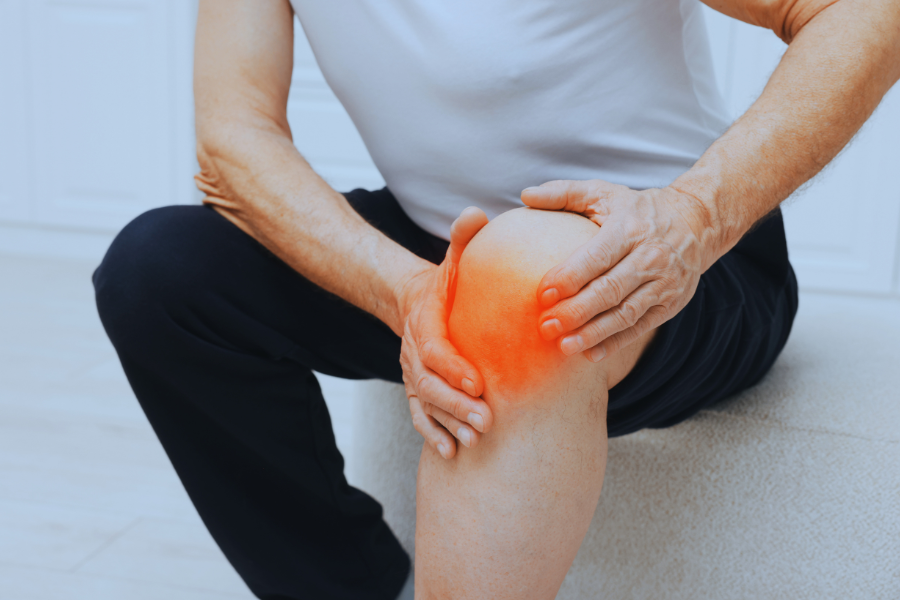
10 Best Alternatives to Cortisone Shots for Chronic Joint Pain in 2026
Chronic joint pain often requires more than temporary relief from cortisone injections. This guide explores ten evidence-backed alternatives, including physical therapy, topical medications, regenerative treatments, mind-body approaches, and behavioral pain management to help adults build a more sustainable and personalized pain management strategy.

Cortisone injections have been a standard treatment for chronic joint pain for decades, offering quick relief by suppressing inflammation in the knee, hip, or shoulder. But that relief is temporary, often lasting only weeks, and growing evidence shows that repeated injections may accelerate cartilage loss in the very joints they're meant to protect.
For the roughly 60 million U.S. adults living with chronic pain, the search for longer-lasting, lower-risk options is more urgent than ever. The good news: the science has moved forward, and there are now multiple evidence-backed approaches that address chronic joint pain without the risks of repeated steroid injections. Some target inflammation. Others target the nervous system. Several can be combined.
Key Takeaways
- Cortisone shots provide short-term relief but may damage joint cartilage with repeated use, prompting the AAOS to downgrade its recommendation in recent guidelines.
- Behavioral and mind-body approaches address the central sensitization component of chronic joint pain, which cortisone and other structural treatments leave untreated.
- Physical therapy, topical NSAIDs, and PRP injections each have recent systematic review evidence supporting their use for chronic joint pain in adults with osteoarthritis.
- Several of these alternatives can be combined for a multimodal pain management plan, coordinated with a healthcare provider.
- Lin Health's brain-first approach is based on neuroplastic pain research, using CBT, ACT, and somatic tracking with trained recovery coaches, covered by insurance.
Why Patients and Physicians Are Rethinking Cortisone
Cortisone (corticosteroid) injections work by reducing inflammation in a specific joint. For acute flare-ups, this can provide meaningful short-term relief. But chronic joint pain, by definition, is not a single flare-up. It is an ongoing condition, and repeated cortisone use comes with real trade-offs.
The cartilage concern. A growing body of research links repeated corticosteroid injections to progressive cartilage loss. In one study, patients who received cortisone every three months for two years showed measurable cartilage breakdown on imaging. A 2024 case series documented rapid femoral head deterioration within as little as 10 weeks after injection.
Guideline shifts. The American Academy of Orthopaedic Surgeons (AAOS) downgraded its cortisone recommendation in its 2024 hip osteoarthritis guidelines, citing limited long-term benefit and growing evidence of harm. The AAOS knee OA guidelines similarly position cortisone as a short-term option rather than a long-term strategy.
The central sensitization factor. Research increasingly shows that chronic joint pain involves more than structural damage. In many adults with long-standing osteoarthritis, the nervous system itself becomes sensitized, amplifying pain signals beyond what the joint damage alone would produce. This nociplastic pain mechanism means that treating only the joint, whether with cortisone or surgery, may leave a major driver of pain unaddressed.
These factors together explain why clinicians and patients are exploring alternatives that work differently, last longer, or carry fewer risks. For more on non-injection approaches, see Lin Health's guide to pain management alternatives and steroid injection alternatives.
1. Lin Health's Brain-First Pain Recovery Program
Lin Health takes a fundamentally different approach to chronic joint pain. Rather than targeting the joint itself, the program addresses the nervous system's role in keeping pain signals active long after tissue has healed.
How It Works
Chronic pain that persists beyond 3 months often involves brain pain-processing changes. The nervous system's "alarm" can get stuck in an amplified state, a process known as central sensitization or nociplastic pain. Lin Health's approach is based on findings from neuroplastic pain research and applies behavioral techniques, including CBT, ACT, somatic tracking, and pain reprocessing, to retrain these overactive neural pathways.
The program is delivered through one-on-one sessions with trained recovery coaches, supplemented by an app with guided exercises and educational content. Unlike general talk therapy, the coaches specialize in persistent pain conditions and follow protocolized modules designed by pain medicine experts.
Evidence
Cognitive behavioral therapy reduces pain and disability for adults with chronic musculoskeletal pain, with benefits maintained at 3 to 12 months, according to a 2025 systematic review and meta-analysis of 14 RCTs with 3,286 patients. Acceptance and commitment therapy similarly improves pain and flexibility in adults with chronic pain conditions.
Central sensitization drives persistent OA pain that may not correlate with the degree of structural joint damage, according to a 2025 review in the Journal of Pain Research. This means that even when imaging looks stable, the pain can be driven by nervous system changes, exactly the target Lin Health's approach is designed for.
Who It May Help
Adults with chronic joint pain (3+ months) who have not found lasting relief from cortisone, physical therapy, or medication alone. Particularly relevant for patients whose pain seems disproportionate to their imaging findings, or whose pain has spread beyond the original joint. The program is covered by insurance in multiple states, including Colorado, Texas, Florida, California, and New York, with short wait times and often a same-day callback.
2. Physical Therapy and Structured Exercise
Physical therapy remains one of the most broadly recommended first-line treatments for chronic joint pain, supported by every major orthopedic guideline.
How It Works
A physical therapist designs a targeted exercise program to strengthen the muscles around the affected joint, improve range of motion, and reduce load on damaged cartilage. The approach may include manual therapy, aquatic exercise, and neuromuscular training (balance, coordination, agility) depending on the joint and severity.
Evidence
The AAOS recommends exercise over no exercise for adults with hip and knee osteoarthritis, with both supervised and unsupervised programs showing improvements in pain and function. The 2025 hip OA guidelines specifically recommend movement interventions to increase range of motion and decrease pain for patients with mild-to-moderate osteoarthritis.
Who It May Help
Adults at any stage of osteoarthritis, particularly those with mild-to-moderate joint pain. Physical therapy works well as a standalone approach for early-stage OA and as part of a multimodal plan for more advanced cases. Insurance coverage is widely available, though copays and visit limits vary.
3. Topical NSAIDs (Diclofenac Gel)
For patients who want pain relief without injections or the gastrointestinal risks of oral anti-inflammatory drugs, topical NSAIDs offer a localized option.
How It Works
Topical diclofenac (sold as Voltaren in over-the-counter form) delivers anti-inflammatory medication directly to the skin over the painful joint. Because the drug is absorbed locally, blood levels remain at a fraction of oral levels, significantly reducing the risk of stomach, kidney, and cardiovascular side effects.
Evidence
A 2025 meta-analysis of 12 RCTs confirmed that topical diclofenac improves pain and function in adults with knee osteoarthritis compared to placebo, with all formulations well-tolerated and no significant increase in adverse events. Diclofenac gel, solution, and patch all showed meaningful pain reduction, with patches delivering the fastest short-term results.
Who It May Help
Adults with knee or hand osteoarthritis who prefer a non-invasive, non-prescription option. Topical NSAIDs are particularly useful for patients who cannot tolerate oral NSAIDs due to gastrointestinal, renal, or cardiovascular concerns. Over-the-counter availability (Voltaren Arthritis Pain gel) makes this one of the most accessible alternatives.
4. Hyaluronic Acid Injections (Viscosupplementation)
Hyaluronic acid (HA) injections provide lubrication and cushioning to the joint space without the cartilage-damaging effects associated with repeated cortisone.
How It Works
HA is a naturally occurring substance in joint fluid that breaks down in osteoarthritic joints. Injecting supplemental HA restores some of the joint's natural lubrication and shock-absorbing properties. Unlike cortisone, which suppresses inflammation temporarily, HA aims to improve the joint's mechanical environment. Relief typically lasts 6 to 12 months, compared to 4 to 8 weeks for cortisone.
Evidence
A 2025 umbrella review found that HA injections show moderate efficacy for pain, particularly in adults with early-to-moderate knee osteoarthritis. A separate 2024 meta-analysis of 3,851 patients reported significant pain score reductions compared to placebo on both VAS and WOMAC measures.
Who It May Help
Adults with mild-to-moderate knee osteoarthritis who want longer-lasting relief than cortisone without the cartilage risk. HA injections are FDA-approved for knee OA and typically covered by insurance, though some plans require prior authorization. They are less studied for hip and shoulder joints.
5. Platelet-Rich Plasma (PRP) Therapy
PRP is a regenerative injection that uses the patient's own blood components to promote tissue repair, rather than simply suppressing inflammation.
How It Works
A small sample of the patient's blood is drawn and processed in a centrifuge to concentrate the platelets and growth factors. This concentrated plasma is then injected directly into the affected joint. The growth factors are intended to stimulate tissue repair and reduce inflammation through the body's own healing mechanisms.
Evidence
PRP injections improve pain long-term compared to hyaluronic acid, corticosteroids, and placebo in adults with mild-to-moderate knee osteoarthritis, according to a 2025 systematic review. Separate meta-analytic evidence from 1,616 patients confirms that PRP offers clinically relevant improvement at 1, 3, 6, and 12 months compared to placebo.
Who It May Help
Adults with mild-to-moderate knee osteoarthritis who want a longer-lasting injection alternative that may support tissue repair rather than just masking symptoms. Important consideration: PRP is not FDA-approved for OA specifically, formulations vary between clinics, and it is often not covered by insurance, with out-of-pocket costs typically ranging from $500 to $2,000 per injection.
6. Acupuncture
Acupuncture has moved from "alternative" to "evidence-supported" for chronic joint pain, with growing recognition in clinical guidelines as a non-pharmacological option.
How It Works
Thin needles are inserted at specific points on the body to stimulate nerves, muscles, and connective tissue. The proposed mechanisms include triggering endorphin release, modulating pain signaling in the central nervous system, and reducing local inflammation. Treatment typically involves 1 to 2 sessions per week over 8 to 12 weeks.
Evidence
Acupuncture provides durable knee OA relief lasting 3 to 6 months after treatment ends, according to a 2024 meta-analysis of 10 RCTs with 3,221 participants. Improvements were maintained on WOMAC pain and function subscales compared to sham acupuncture, usual care, and diclofenac. The treatment demonstrated a favorable safety profile across all included trials.
Who It May Help
Adults with knee osteoarthritis who prefer non-pharmacological approaches or who want to complement other treatments. Acupuncture has a favorable safety profile with minimal side effects. Insurance coverage varies, though more plans now include acupuncture benefits following recent guideline updates. Look for practitioners licensed in your state with experience treating musculoskeletal pain.
7. Tai Chi and Yoga
These mind-body movement practices combine gentle physical activity with breathing, balance, and body awareness, making them particularly well-suited for adults with joint pain who need low-impact exercise options.
How It Works
Tai chi uses slow, flowing sequences of movements that improve balance, flexibility, and leg strength without high joint impact. Yoga combines poses (asanas), breathwork, and mindfulness to improve range of motion, reduce muscle tension, and promote relaxation. Both practices engage the mind-body connection, which may help modulate the central sensitization that contributes to chronic joint pain.
Evidence
A 2025 meta-analysis of 11 RCTs found that tai chi reduces knee pain significantly in adults with knee osteoarthritis compared to health education, with benefits on both WOMAC pain scores and VAS. A separate 2025 review identified optimal parameters: sessions of 40 to 60 minutes, practiced 3 to 5 times per week, appear to deliver the strongest outcomes.
Who It May Help
Adults with mild-to-moderate knee or hip osteoarthritis who want a sustainable, low-impact movement practice. Tai chi and yoga are widely accessible through community centers, online classes, and senior programs. They carry minimal risk and can be practiced long-term, making them a strong complement to other treatments on this list.
8. Weight Management and Anti-Inflammatory Nutrition
For adults with knee or hip osteoarthritis who carry excess weight, even modest weight loss can produce measurable reductions in joint pain and functional limitation.
How It Works
Every pound of body weight translates to roughly 4 pounds of force on the knee during walking. Reducing that load directly decreases mechanical stress on weight-bearing joints. Beyond the mechanical benefit, excess adipose tissue produces inflammatory cytokines that contribute to joint inflammation and pain, so weight loss also has an anti-inflammatory effect.
Evidence
Adults with obesity and knee osteoarthritis who lost weight through pharmacological support experienced greater reductions in pain compared to placebo in a 2024 randomized trial. A network meta-analysis of 13 RCTs involving 2,800 participants confirmed that weight-loss interventions improve OA symptoms across multiple intervention types in overweight adults with knee osteoarthritis.
Who It May Help
Adults with knee or hip osteoarthritis who are overweight or obese (BMI 25+). Weight management is one of the few interventions that addresses both the structural and inflammatory drivers of joint pain simultaneously. It works well in combination with physical therapy, behavioral pain management, or any of the other approaches on this list.
9. TENS (Transcutaneous Electrical Nerve Stimulation)
TENS is a portable, non-invasive device that delivers mild electrical currents through the skin to reduce pain signaling, and it can be used at home.
How It Works
A small battery-powered unit sends low-voltage electrical impulses through electrode pads placed on the skin near the painful joint. These impulses are thought to interrupt pain signals traveling to the brain and may stimulate the release of endorphins. TENS is used as a complement to other treatments, not as a standalone cure.
Evidence
A 2026 systematic review and meta-analysis found that TENS produces a significant pain reduction for adults with knee osteoarthritis, with effects being larger compared to control and placebo. Sessions lasting 40 minutes or longer appear to produce greater analgesic effects than shorter sessions.
Who It May Help
Adults who want a drug-free, non-invasive pain management tool they can use between clinical visits. TENS units are available over the counter for $30 to $100, making them one of the most affordable options on this list. They work well as part of a broader pain management plan but are unlikely to replace other treatments entirely.
10. Extracorporeal Shockwave Therapy (ESWT)
ESWT is a non-invasive technology that delivers focused acoustic waves to the painful area, originally developed for kidney stones and now applied to musculoskeletal conditions.
How It Works
A handheld device delivers high-energy sound waves to the affected joint area, stimulating blood flow, tissue repair, and the breakdown of calcified deposits. Treatment typically involves 3 to 5 sessions spaced one week apart, each lasting 15 to 20 minutes.
Evidence
A 2024 dose-response meta-analysis of 7 RCTs with 450 participants found that ESWT improves pain and function in adults with knee osteoarthritis in the short term, with higher energy levels producing greater improvement. ESWT ranked highest among non-invasive physical modalities for short-term pain relief in one comparative analysis.
Who It May Help
Adults with knee osteoarthritis who have not responded adequately to physical therapy or medications and want to explore non-invasive options before considering surgery. ESWT is typically administered by orthopedic specialists or physical medicine physicians. Insurance coverage varies and is still limited for OA applications in many plans.
How Lin Health Helps with Chronic Joint Pain
Many of the alternatives above target the joint itself, whether through injections, exercises, or devices. But for adults whose chronic joint pain persists despite these structural treatments, there is often a missing piece: the nervous system.
Research increasingly shows that chronic joint pain involves central sensitization mechanisms where the brain and spinal cord amplify pain signals beyond what the joint damage alone would explain. This is why two people with identical knee X-rays can experience vastly different levels of pain. It is also why cortisone, PRP, and even surgery sometimes fail to provide lasting relief.
Lin Health's approach is based on findings from research on neuroplastic pain. The program uses behavioral methods, including cognitive behavioral therapy, acceptance and commitment therapy, and somatic tracking, to help retrain the nervous system's overactive pain response. These are not general talk therapy sessions. They are structured, protocolized modules specifically designed for persistent pain conditions and delivered by trained recovery coaches who specialize in pain recovery.
What the program looks like:
- Weekly one-on-one sessions with a recovery coach (live, via telehealth)
- A companion app with guided exercises, educational content, and practice tools
- Between-session support via chat
- A clinician-designed curriculum covering fear of movement, emotional processing, cognitive reframing, and somatic awareness
Lin Health treats a broad range of persistent symptom conditions, including arthritis pain, chronic shoulder pain, lower back pain, fibromyalgia, and migraines. The program is covered by insurance in states with high coverage, including Colorado, Texas, Florida, California, and New York. Patients typically pay nothing out of pocket.
You can read more about the brain-first approach and explore patient recovery stories from people who found relief after years of chronic pain at the Lin Health stories page.
If you have been cycling through cortisone shots, physical therapy, and medications without lasting results, a behavioral approach that targets the nervous system may be worth exploring. Lin Health offers short wait times, often with a same-day callback after signup. Check your eligibility.
FAQ
How many cortisone shots can you safely get in one joint?
Most physicians limit cortisone injections to 3 to 4 per joint per year. This limit exists because repeated injections are associated with progressive cartilage breakdown and diminishing effectiveness over time. The AAOS now recommends cortisone primarily for short-term flare management rather than ongoing chronic pain treatment.
Are cortisone shots bad for your joints long-term?
They can be. Research shows that repeated corticosteroid injections may accelerate cartilage loss in the knee and hip, particularly when administered every 3 months or more frequently. The AAOS downgraded its recommendation for cortisone in its 2024 hip OA guidelines partly due to this evidence. A single injection for an acute flare is generally considered low-risk.
What is the safest alternative to cortisone shots for joint pain?
Physical therapy and structured exercise have the strongest safety profile and broadest guideline support. They carry virtually no risk of joint damage and are recommended as a first-line treatment by the AAOS for both knee and hip osteoarthritis. Behavioral approaches like cognitive behavioral therapy and topical NSAIDs also have favorable safety profiles.
Can physical therapy replace cortisone injections entirely?
For many adults with mild-to-moderate osteoarthritis, physical therapy alone provides meaningful pain relief and functional improvement. Current AAOS guidelines recommend exercise-based approaches as a core component of OA management, and some patients find they no longer need injections after completing a structured PT program.
Does insurance cover alternatives to cortisone shots?
Most insurance plans cover physical therapy, topical NSAIDs like diclofenac (available over the counter as Voltaren), and hyaluronic acid injections for knee OA. Behavioral pain programs like Lin Health are covered by insurance in select states. PRP therapy and ESWT are less consistently covered and may require out-of-pocket payment.
How does central sensitization affect chronic joint pain treatment choices?
Central sensitization occurs when the nervous system amplifies pain signals, making chronic pain persist even when the joint itself has stabilized. For patients with this component, purely structural treatments like injections may provide only temporary relief. Approaches that target the nervous system, such as behavioral pain programs and mind-body therapies, may address this underlying driver.
This article is for informational purposes only and is not medical advice. It does not replace a consultation with a qualified healthcare provider. Talk with your doctor before making changes to your pain management plan.




.png)
.png)