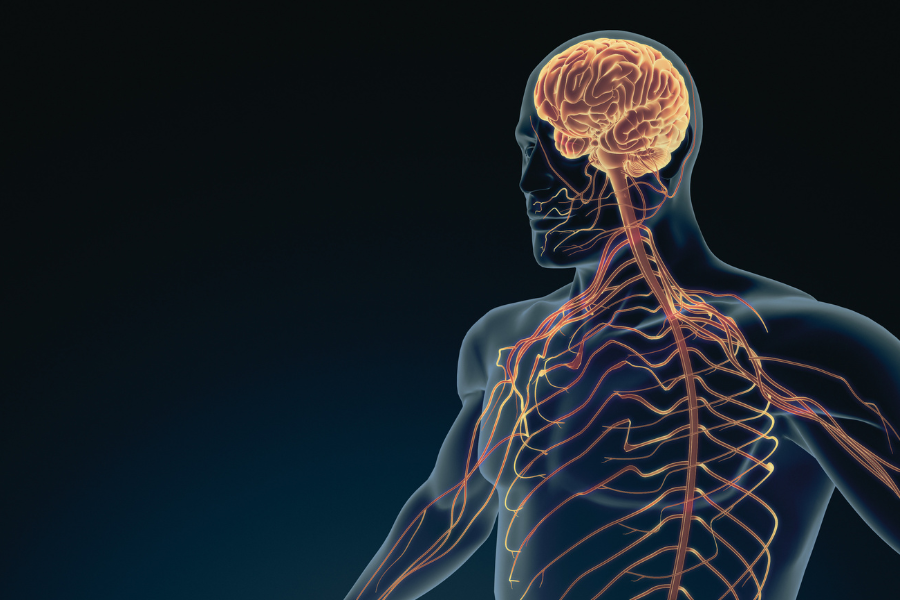
7 Best Nervous System Regulation Programs for Chronic Pain in 2026
Nervous system regulation programs offer a brain-focused approach to chronic pain. This article evaluates seven options, from coach-led care to self-guided apps, based on clinical evidence, delivery methods, insurance access, and suitability for different patient needs and preferences.

Chronic pain affects 1 in 4 adults in the United States, and for many, standard treatments like medication, injections, and surgery provide only partial or temporary relief. A growing body of research points to a different explanation: in many chronic pain conditions, the nervous system itself becomes part of the problem, amplifying and sustaining pain signals long after tissues have healed.
Nervous system regulation programs address this directly. Rather than targeting the site of pain, these programs retrain the brain and nervous system to reduce threat responses that keep pain active. Some are led by trained coaches or therapists; others are self-guided apps. Some are covered by insurance; most are not. This guide compares seven programs available in 2026, evaluating each on clinical evidence, delivery format, cost, and who they may be the right fit for.
Key Takeaways
- Nervous system regulation programs target the brain's learned pain response, not just the body, and are supported by peer-reviewed clinical evidence for modalities including CBT, PRT, ACT, and EAET.
- Lin Health is the only program on this list that combines coach-led care with insurance coverage, offering structured nervous system retraining for adults with chronic pain conditions in covered states.
- Pain Reprocessing Therapy (PRT) has durable long-term evidence for chronic back pain, with 55% of participants still reporting recovery at five years.
- Self-guided apps like Curable and Pathways can serve as entry points for pain education, though published RCT evidence for standalone app-based programs is more limited than for clinician-led approaches.
- The right program depends on your pain condition, budget, and whether you benefit more from structured coaching or independent learning.
What Is Nervous System Regulation for Chronic Pain?
When pain persists beyond three months, something often shifts in the nervous system. The original injury may have healed, but the brain's pain alarm gets stuck, continuing to fire danger signals without a corresponding tissue problem. This process, described clinically as nociplastic pain, is now recognized by the International Association for the Study of Pain (IASP) as a distinct pain mechanism alongside nociceptive and neuropathic pain.
Pain that falls into this category tends to spread, intensify over time, and respond poorly to treatments designed for acute injury. Conventional analgesics like NSAIDs and opioids often have limited efficacy for nociplastic pain, which is why a different approach is gaining traction.
Nervous system regulation programs work by targeting the learned thought, emotion, and movement patterns that keep this pain alarm active. Evidence-based modalities used in these programs include cognitive behavioral therapy (CBT), acceptance and commitment therapy (ACT), pain reprocessing therapy (PRT), emotional awareness and expression therapy (EAET), and somatic tracking. Each approaches the nervous system from a slightly different angle, but all share a core principle: chronic pain can change when the brain relearns safety.
How We Evaluated These Programs
We assessed each program across five criteria:
- Clinical evidence: Is the approach supported by randomized controlled trials, systematic reviews, or meta-analyses published in peer-reviewed journals?
- Delivery format: Is the program coach-led, therapist-led, or self-guided? Does it offer live sessions, an app, or both?
- Insurance coverage: Can patients access the program through their health plan, or is it entirely out-of-pocket?
- Condition scope: Which chronic pain conditions does the program address, and how broad or specialized is its focus?
- Accessibility: Wait times, geographic availability, and ease of enrollment.
Programs with stronger published evidence, clinician involvement, and lower financial barriers ranked higher.
1. Lin Health
Best for: Insurance-covered, coach-led nervous system retraining
Lin Health is a digital health program that retrains the nervous system to address chronic pain at its neurological source. Unlike self-guided apps, Lin Health pairs each participant with a trained recovery coach for weekly live sessions, supplemented by an app with structured learning modules and daily practice exercises.
How It Works
Lin Health's program is built on findings from research on multiple evidence-based modalities: cognitive behavioral therapy, acceptance and commitment therapy, pain reprocessing therapy, emotional awareness and expression therapy, and somatic tracking. Coaches guide participants through protocolized modules designed by clinical experts, addressing the fear of movement, emotional responses to pain, and cognitive loops that reinforce the pain cycle.
The program treats a wide range of chronic pain conditions and persistent symptoms, including lower back pain, fibromyalgia, chronic migraine, neck pain, shoulder pain, arthritis, CRPS, pelvic pain, sciatica, and TMS.
Evidence Base
Lin Health's approach draws from a strong foundation of peer-reviewed research. Pain reprocessing therapy for chronic back pain has shown that two-thirds of participants were pain-free or nearly so after four weeks of treatment in a randomized trial, with brain imaging confirming reduced activation in pain-processing regions. A five-year follow-up found that 55% maintained recovery, demonstrating durable relief.
EAET, another modality used in the program, produced clinically significant pain reduction in 63% of participants (versus 17% with CBT alone) in a 2024 randomized trial with older veterans experiencing chronic musculoskeletal pain. CBT for chronic pain has a broad evidence base, with a Cochrane review confirming it reduces pain and disability in adults with chronic non-headache pain.
ACT has demonstrated moderate positive effects on pain interference and functional impairment across 21 randomized controlled trials in a 2024 meta-analysis.
Who It May Be Right For
Adults with chronic pain who want structured, professional support without the high out-of-pocket cost of private therapy. Lin Health is covered by major insurance carriers including Aetna, Anthem, Cigna, Blue Cross Blue Shield, UnitedHealthcare, Humana, and Medicare, with high coverage in Colorado, Texas, Florida, California, and New York. Most participants pay nothing out of pocket. Wait times are short, often with a same-day callback after signing up.
Format: Coach-led live sessions (weekly) + app with learning and practice modules Cost: Covered by insurance in most states; participants typically pay zero out of pocket Website: lin.health
2. Pain Psychology Center
Best for: Therapist-led pain reprocessing therapy from the team that developed it
The Pain Psychology Center in Los Angeles, founded by Alan Gordon, LCSW, is where Pain Reprocessing Therapy (PRT) was developed. The center employs approximately 40 trained therapists, and most sessions are available via telehealth.
How It Works
PRT is built on the principle that chronic pain is often a learned neural pathway rather than a signal of ongoing tissue damage. Therapists help patients reappraise their pain as a false alarm generated by the brain, using techniques like somatic tracking (observing pain sensations with curiosity rather than fear), corrective experiences, and behavioral exposure. The goal is to reduce the threat value the brain assigns to pain signals, which in turn reduces the pain itself.
Evidence Base
The landmark PRT trial for chronic back pain found that 66% of participants were pain-free or nearly so after four weeks of treatment, compared to 20% in the placebo group and 10% in usual care. The five-year follow-up, published in JAMA Psychiatry, confirmed that 55% maintained recovery, with significant improvements in pain interference, depression, and kinesiophobia.
A 2026 pilot randomized trial has also shown preliminary feasibility for PRT in chronic widespread pain, with favorable trends in pain reduction, functional outcomes, and psychological well-being. A larger-scale trial (PRIME-PRT) at the University of Oslo is underway with primary completion expected in late 2026.
Note: The published PRT evidence base is strongest for chronic back pain. Trials for broader pain conditions are in progress but not yet completed.
Who It May Be Right For
People who specifically want PRT from the center that created it, and who can manage out-of-pocket costs. Some therapists may accept insurance on a case-by-case basis, but the center is not broadly in-network.
Format: Individual therapy sessions (telehealth or in-person in Los Angeles) Cost: Out-of-pocket; rates vary by therapist Website: painpsychologycenter.com
3. Curable
Best for: Self-guided pain neuroscience education and skill-building
Curable is a subscription-based mobile app that has been used by over one million people worldwide. It focuses on pain neuroscience education and self-guided exercises designed to retrain the brain's response to chronic pain.
How It Works
The app delivers a structured program combining pain science lessons, guided meditations, journaling prompts, brain training exercises, and audio content from pain researchers and clinicians. Curable's approach is rooted in the same body of neuroplastic pain research that informs clinician-led programs, including CBT, somatic tracking, and expressive writing techniques.
The platform is entirely self-guided. There are no live coaching sessions or therapist interactions, though Curable does offer a community forum and occasional group calls.
Evidence Base
Curable draws on established evidence for the modalities it incorporates, particularly CBT and pain neuroscience education. However, published RCT evidence for the Curable app itself as a standalone intervention is limited. A 2025 realist evaluation of mobile app-supported self-management for chronic low back pain found that app-based programs can support empowerment and continuity of care, but that success depends on personalization, timing, and relational dynamics.
For a detailed comparison, see Lin Health vs. Curable.
Who It May Be Right For
Self-motivated individuals who want to start learning about the neuroscience of pain at their own pace before considering a more structured program. It may also serve as a complement alongside clinician-led treatment.
Format: Self-guided mobile app Cost: Subscription-based (typically ~$12-35/month depending on plan); not covered by insurance
4. Pathways Pain Relief
Best for: Combined mind-body education and gentle movement
Pathways is an app-based chronic pain management program that blends pain neuroscience education with physiotherapy exercises, mindfulness, yoga, and CBT-based tools. It was designed collaboratively by pain patients, pain specialists, psychologists, and physical therapists.
How It Works
The program delivers a structured curriculum that integrates multiple approaches: pain science education to help users understand why their pain persists, gentle movement and physiotherapy exercises, guided meditations and breathing practices, and cognitive behavioral techniques for managing pain-related thoughts and behaviors.
Pathways distinguishes itself from other self-guided apps by combining both movement-based and psychological components in a single program, though it remains fully self-guided with no live coaching or therapist support.
Evidence Base
Pathways draws on the same body of research supporting neuroplastic and nociplastic pain mechanisms and the effectiveness of CBT, mindfulness, and graded movement for chronic pain. Published RCT evidence for the Pathways app as a standalone intervention is limited, similar to other consumer-facing pain apps.
For more options in this category, see chronic pain apps compared.
Who It May Be Right For
People who want both mind-body pain education and gentle movement exercises in one self-guided platform, and who prefer a brain-first framing of chronic pain without committing to a clinician-led program initially.
Format: Self-guided mobile app Cost: Subscription-based; not covered by insurance
5. The Gupta Program
Best for: Limbic system retraining for pain with fatigue or sensory sensitivity
The Gupta Program, developed by Ashok Gupta, is an online nervous system retraining program that targets the brain's limbic system, specifically the amygdala and insula, which serve as the body's primary threat-detection centers.
How It Works
The program is built on the hypothesis that in conditions like fibromyalgia, chronic fatigue, and chronic pain, the amygdala becomes overactive, keeping the body in a sustained stress response. Through a combination of neuroplasticity-based exercises, mindfulness meditation, somatic retraining, and vagus nerve stimulation techniques, the program aims to calm this overactive threat response and restore the nervous system to a regulated state.
The core program is self-guided through pre-recorded video content and structured daily practices, with optional group coaching calls and a community forum.
Evidence Base
An eight-week pilot study found that the Gupta Program produced greater symptom reduction compared to a control group, with improvements in overall health measures. More recent studies with fibromyalgia and long COVID patients have shown positive trends.
The published peer-reviewed evidence base is smaller than that for CBT, PRT, or EAET, though the underlying neuroplasticity principles are well-supported. The program has faced some criticism from the ME/CFS research community regarding the strength of its evidence claims.
Who It May Be Right For
People whose chronic pain overlaps with fatigue, brain fog, or sensory sensitivities, particularly those with fibromyalgia or conditions where the nervous system's general threat response appears heightened beyond pain alone.
Format: Self-guided online video program with optional group calls Cost: One-time purchase or subscription; not covered by insurance
6. DNRS (Dynamic Neural Retraining System)
Best for: Neural pathway retraining for pain with environmental or chemical sensitivities
The Dynamic Neural Retraining System, created by Annie Hopper, uses neuroplasticity principles to rewire what it describes as maladaptive neural pathways associated with chronic illness, including chronic pain.
How It Works
DNRS uses a structured daily practice of visualizations, cognitive restructuring, and incremental behavioral exposure to retrain the brain's threat response. Participants commit to a daily practice of approximately one hour, following a specific sequence designed to interrupt automatic stress responses and create new neural patterns associated with safety and well-being.
The program is available as a self-guided online course or through occasional in-person workshops. There is no ongoing clinical support, though participants have access to a community forum.
Evidence Base
The published peer-reviewed evidence for DNRS specifically is limited. The program's framework is based on established neuroplasticity principles, but independent randomized controlled trials validating DNRS as a complete intervention for chronic pain have not been published as of 2026. Anecdotal reports and community testimonials suggest benefit for some participants, particularly those with overlapping sensory sensitivities.
Who It May Be Right For
People whose chronic pain occurs alongside environmental sensitivities, chemical sensitivities, or conditions like mast cell activation, and who are looking for a structured, daily self-guided practice.
Format: Self-guided online video program Cost: One-time purchase; not covered by insurance Website: retrainingthebrain.com
7. Primal Trust
Best for: Polyvagal-informed nervous system regulation
Primal Trust, created by Dr. Cathleen King, DPT, is an online nervous system regulation program that integrates polyvagal theory with somatic experiencing, brain retraining, and mindfulness practices.
How It Works
The program focuses on restoring vagal tone and shifting the nervous system out of a chronic fight-or-flight or freeze state. Drawing on Stephen Porges' polyvagal theory, Primal Trust combines somatic practices, breathwork, movement, brain retraining exercises, and community support. The approach emphasizes building felt safety in the body as the foundation for pain recovery.
Participants access a self-paced online curriculum with optional live group sessions and a community platform. The program is led by Dr. King, a physical therapist who herself recovered from chronic illness.
Evidence Base
Polyvagal theory has a growing body of research supporting its relevance to chronic pain and trauma-related conditions, though the theory also has its critics in the scientific community. Published peer-reviewed evidence specific to the Primal Trust program as a packaged intervention is not yet available. The program's individual components, including somatic practices, breathwork, and mindfulness, each have varying levels of evidence for chronic pain.
Who It May Be Right For
People drawn to body-based, somatic approaches who resonate with the polyvagal framework, particularly those whose chronic pain is closely linked with trauma, anxiety, or a prolonged stress response.
Format: Self-paced online program with optional live group sessions Cost: Monthly membership; not covered by insurance
Side-by-Side Comparison
How Lin Health Helps with Chronic Pain
Chronic pain often persists not because of ongoing tissue damage, but because the nervous system's chronic pain cycle reinforces itself. The brain learns to fire danger signals as a habit, and without intervention, this cycle reinforces itself through fear, avoidance, and emotional distress. This is the core of what researchers now call neuroplastic pain.
Lin Health's program is built to interrupt this cycle. Each participant works with a trained recovery coach through weekly live sessions focused on breaking the thought, emotion, and behavior loops that sustain chronic pain. Between sessions, the Lin Health app delivers structured modules covering CBT, ACT, somatic tracking, emotional expression work, and graded exposure, all designed by clinical experts and grounded in peer-reviewed pain research.
The program addresses a wide range of conditions, including lower back pain, fibromyalgia, chronic migraine, neck pain, shoulder pain, arthritis, sciatica, pelvic pain, and TMS.
Hear from people who have been through the program on the Lin Health patient stories page.
If you have been living with chronic pain and previous treatments have not provided lasting relief, a nervous system-focused approach may be worth exploring. Lin Health is covered by most major insurance plans in CO, TX, FL, CA, and NY, and most participants pay nothing out of pocket. Wait times are short, with many people receiving a same-day callback after signing up. Check your eligibility.
FAQ
What is nervous system regulation for chronic pain?
Nervous system regulation refers to approaches that retrain the brain and central nervous system to reduce a heightened pain response. In many chronic pain conditions, pain persists because the nervous system continues sending danger signals after tissues have healed. Programs targeting this mechanism use modalities like CBT, PRT, ACT, and somatic tracking to help the brain relearn safety.
Do nervous system regulation programs replace medical treatment?
No. These programs work alongside medical care, not in place of it. Talk with your healthcare provider before starting or changing any treatment plan. Behavioral and nervous system approaches are intended to complement medical evaluation and ongoing clinical management.
How long does it take for nervous system retraining to work?
Timelines vary by individual and condition. In the PRT trial for chronic back pain, significant improvements were observed after four weeks, though some people may need longer. Most structured programs run 8 to 16 weeks, with continued practice recommended.
Is nervous system regulation the same as meditation?
Not exactly. While some programs incorporate meditation and mindfulness, nervous system regulation is broader. It includes cognitive restructuring, somatic tracking, emotional processing, graded exposure, and behavioral techniques. Meditation may be one component within a larger clinical framework.
Are any of these programs covered by insurance?
Among the programs listed here, Lin Health is the only one broadly covered by major insurance carriers. Most self-guided apps and online programs require out-of-pocket payment through subscriptions or one-time purchases. The Pain Psychology Center may work with some insurance plans on a case-by-case basis.
Who should consider a nervous system regulation program?
Adults with chronic pain lasting three or more months who have not found lasting relief through medication, physical therapy, injections, or surgery may benefit from exploring a nervous system-focused approach, particularly if their pain has spread, fluctuates with stress, or lacks a clear structural explanation.
Can these programs help with conditions beyond back pain?
Yes. While the strongest published RCT evidence for PRT specifically is in chronic back pain, the broader modalities used in these programs (CBT, ACT, EAET) have evidence across multiple chronic pain conditions including fibromyalgia, chronic musculoskeletal pain, and migraine. Lin Health treats a broad range of conditions including chronic pain and persistent symptoms.
This article is for informational purposes only and is not medical advice. Consult a qualified healthcare provider before making changes to your treatment plan.




.png)
.png)