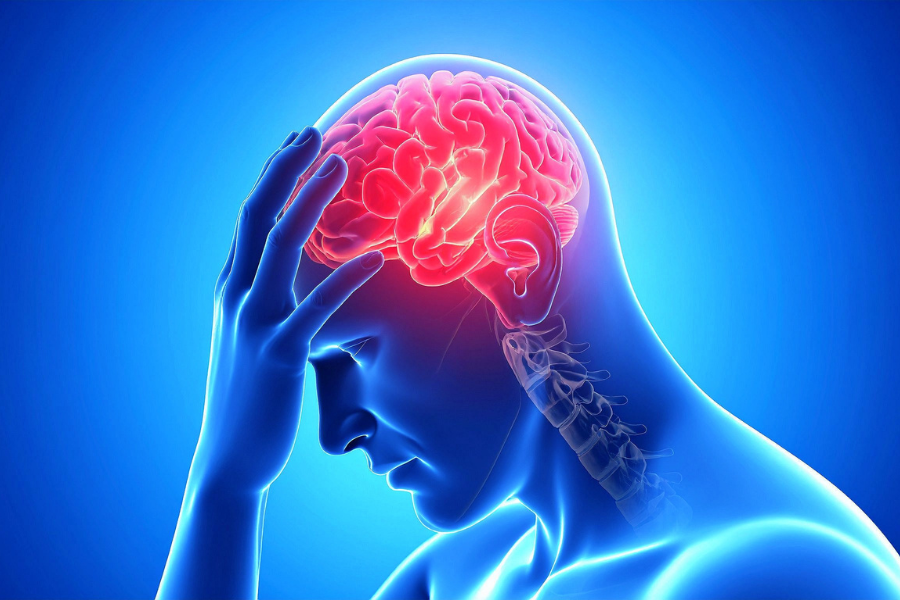
7 Best Pain Neuroscience Education Programs In 2026
Pain Neuroscience Education helps explain how the nervous system influences chronic pain. This article reviews seven programs, including digital platforms, books, and certifications, while outlining how these resources use education and behavioral strategies to support individuals managing persistent pain symptoms.

Chronic pain affects roughly 24.3% of US adults, and for many of those people, standard treatments like medication, injections, and surgery have not provided lasting relief. Pain neuroscience education, or PNE, offers a different starting point: helping people understand how the brain and nervous system generate and maintain pain, even after tissues have healed.
Research supports this approach. A 2025 systematic review found that PNE improves pain and function when combined with physical therapy. Additional meta-analyses show that PNE reduces fear and catastrophizing in adults with chronic low back pain. The challenge for most people is finding a program that goes beyond a single clinic visit or a book chapter and delivers PNE as part of a structured, ongoing treatment plan.
This guide covers seven programs that incorporate pain neuroscience education in 2026, ranging from coach-led clinical programs to self-guided apps and clinician certification courses. Each entry includes what the program covers, who it is designed for, and what evidence supports it.
Key Takeaways
- Pain neuroscience education teaches how the brain and nervous system can maintain pain after tissue healing, and PNE combined with therapy shows stronger outcomes than education alone.
- Lin Health is the only PNE-based program on this list that pairs live coaching with a structured digital curriculum and accepts insurance in multiple US states.
- Self-guided apps like Curable and Pathways offer affordable entry points to PNE concepts, though they lack the personalized clinical guidance of coach-led programs.
- Clinicians looking to deliver PNE can pursue certification through Evidence In Motion or take on-demand courses through Medbridge.
- The strongest evidence for brain-based pain approaches comes from randomized trials in pain reprocessing therapy and EAET for chronic pain (emotional awareness and expression therapy), both of which build on PNE foundations.
What Is Pain Neuroscience Education?
Pain neuroscience education is a treatment approach that teaches patients about the biology of pain. Instead of focusing only on tissue damage, PNE explains how the nervous system processes danger signals and how those signals can become amplified or "stuck" in chronic pain states.
The core concept is straightforward. Acute pain, like touching a hot surface, serves as a protective alarm. After an injury heals, the brain can continue generating pain signals even when there is no ongoing tissue damage. This is sometimes described as the pain alarm getting stuck in the "on" position. The pain is real, but it is being driven by central nervous system changes rather than new injury.
PNE was developed by researchers including Lorimer Moseley and David Butler (through their "Explain Pain" framework) and Adriaan Louw, whose clinical education tools helped standardize how clinicians teach pain science to patients. Modern PNE-informed programs often combine education with behavioral therapies like cognitive behavioral therapy, acceptance and commitment therapy, and pain reprocessing therapy.
Research consistently shows that PNE reduces catastrophizing and fear in adults with chronic pain. A 2025 umbrella review confirmed that PNE improves chronic back pain outcomes across multiple domains, including pain intensity, disability, and psychological distress. The evidence is strongest when PNE is combined with other therapies.
Patient-Facing PNE Programs
The following programs deliver pain neuroscience education directly to patients, either through guided coaching, app-based curricula, or educational materials.
1. Lin Health
Format: Coach-led digital program (live sessions + app)
Cost: Covered by insurance in CO, TX, FL, CA, NY, and expanding; most patients pay zero out of pocket
Ideal for: Adults with chronic pain or persistent symptoms who want structured, clinician-guided PNE
Lin Health offers a brain-first approach to chronic pain, combining pain neuroscience education with multiple evidence-based behavioral therapies. Patients work one-on-one with a trained recovery coach through weekly live sessions, supplemented by a digital app with learning modules and practice exercises.
What Makes It Different
Lin Health is the only program on this list that brings together PNE, pain reprocessing therapy, cognitive behavioral therapy, acceptance and commitment therapy, and emotional awareness and expression therapy into a single structured program. Rather than offering self-guided content alone, it pairs each patient with a recovery coach who specializes in chronic pain and persistent symptoms.
The program is covered by major insurance carriers in several states, which removes one of the biggest barriers to accessing behavioral pain care. Wait times are short, with most patients receiving a same-day callback after signing up.
Evidence Behind the Approach
Lin Health's methods draw on therapies with strong randomized trial evidence. Pain reprocessing therapy left two-thirds nearly pain-free among participants with chronic back pain, and more than half maintained relief long-term at five years. Emotional awareness and expression therapy showed a 63% significant pain reduction in older veterans with chronic musculoskeletal pain, compared to 17% for CBT alone.
Who It's For
Lin Health treats a broad range of conditions, including chronic back pain, neck pain, fibromyalgia, chronic migraine, and persistent symptoms like IBS and long COVID. It is designed for adults who want more than self-guided content and who benefit from accountability, personalization, and insurance coverage.
2. Curable
Format: Self-guided mobile app
Cost: Subscription (not insurance-covered)
Ideal for: Adults who prefer working independently through digital PNE content
Curable is a self-guided app that delivers pain neuroscience education through audio lessons, writing prompts, and brain-training exercises. The program draws on the same mind-body pain science framework developed by researchers like Howard Schubiner and Alan Gordon.
What Makes It Different
Curable was one of the earliest consumer apps built specifically around PNE and neuroplastic pain concepts. It uses a chatbot-style interface to guide users through content modules, and it incorporates elements from cognitive behavioral therapy, mindfulness-based stress reduction, and expressive writing.
The app has accumulated user-reported outcome data showing improvement in pain scores, though peer-reviewed randomized controlled trials of the Curable app itself are limited compared with the underlying therapy literature. It works best as an introduction to PNE concepts for people who are self-motivated and comfortable with independent learning.
Who It's For
Curable is a fit for adults who want a low-cost entry point to pain neuroscience education and are willing to work through content on their own. It is not insurance-covered and does not include live coaching or clinical guidance. For a detailed comparison, see Lin Health vs. Curable.
3. Pathways
Format: Self-guided mobile app
Cost: Freemium subscription (not insurance-covered)
Ideal for: Adults looking for a broad mix of PNE, physical exercise, and mind-body techniques in one app
Pathways combines pain neuroscience education with guided exercises, physiotherapy routines, breathing techniques, and mindfulness practices. The app was designed by a team that includes pain patients, pain specialists, and physical therapists.
What Makes It Different
Pathways is broader in scope than a pure PNE app. It bundles pain science education alongside hundreds of guided exercises, including physiotherapy routines, diaphragmatic breathing, visualizations, and music therapy. This makes it feel more like a general wellness toolkit than a focused PNE curriculum.
The app scored well in a systematic review of pain apps for its inclusion of evidence-based psychological components. Like Curable, its evidence base leans on user-reported outcomes and the broader therapy literature rather than app-specific randomized trials.
Who It's For
Pathways suits adults who want a single app covering multiple modalities at an accessible price point. It is globally available and offers a freemium model, making it one of the lower-barrier options for people testing different approaches. For a side-by-side look, see Lin Health vs. Pathways.
Patient Education Resources
These resources are not full treatment programs but provide foundational PNE content that patients and clinicians use alongside structured care.
4. Why Do I Hurt? by Adriaan Louw
Format: Patient education book + illustrated card system
Cost: Book and card system available for purchase (typically $15-60)
Ideal for: Patients working with a clinician who wants to integrate PNE into treatment sessions
Adriaan Louw's "Why Do I Hurt?" book and the companion "Why You Hurt" card system were designed to translate complex pain neuroscience into language and visuals that patients can understand and retain.
What Makes It Different
The "Why You Hurt" system includes over 120 illustrated education cards organized by common chronic pain topics, 50 downloadable homework cards, and 12 pain questionnaires. It is designed to be delivered by a clinician during treatment sessions, not used in isolation. Research on Louw's PNE approach shows that teaching patients about pain neuroscience reduces pain and fear and increases participation in therapeutic exercise.
This is a clinician-mediated resource, meaning a patient gets the most value when a physical therapist or other provider walks them through the material and connects it to their specific situation.
Who It's For
This system works well for patients who are already seeing a physical therapist or pain specialist and want a structured PNE component added to their care. It is not a standalone treatment program.
5. Explain Pain by Butler and Moseley
Format: Patient education book + professional courses
Cost: Book ($30-50); NOI Group courses vary
Ideal for: Patients and clinicians who want the foundational text on pain neuroscience education
"Explain Pain," written by David Butler and Lorimer Moseley and published through the Neuro Orthopaedic Institute (NOI Group), is widely considered the foundational text in pain neuroscience education. Now in its second edition, the book translates complex neuroscience into accessible explanations with illustrations and metaphors.
What Makes It Different
"Explain Pain" established the conceptual framework that most modern PNE programs build on. Its core message, that understanding pain biology can itself reduce pain, has been validated in clinical trials. The NOI Group also offers professional courses and a companion "Explain Pain Supercharged" workbook for deeper engagement.
The book emphasizes that pain is a protective mechanism generated by the brain, not a direct readout of tissue damage. This single insight, delivered well, can shift how patients relate to their symptoms and engage with rehabilitation.
Who It's For
"Explain Pain" is for anyone seeking a deep, science-backed understanding of how pain works. It is especially useful for patients who learn well through reading and want to understand the "why" behind their symptoms. Clinicians also use it as a core reference for pain education conversations with their patients.
Clinician PNE Training Programs
For healthcare providers who want to integrate pain neuroscience education into their clinical practice, these programs offer structured training and certification.
6. Evidence In Motion Pain Science Certification
Format: Online instructor-led courses (3-week and 6-week options) + in-person workshops
Cost: Varies by course; CEU credits included
Ideal for: Physical therapists, occupational therapists, and other clinicians seeking formal PNE certification
Evidence In Motion (EIM) offers the largest post-professional series of pain science certifications in the United States. Their flagship Therapeutic Pain Specialist Certification graduates more than 120 clinicians per year and covers the clinical application of PNE across chronic pain populations.
What It Covers
EIM's curriculum, developed by Adriaan Louw and his team, covers pain neuroscience education delivery, graded motor imagery, graded exposure, and integration of PNE into existing clinical workflows. Courses are available in multiple formats: self-paced online workshops, instructor-led 3-week and 6-week online programs, and multi-day in-person events. Upcoming 2026 sessions run through November.
Who It's For
EIM certification is designed for licensed physical therapists, occupational therapists, and other rehabilitation professionals who want to add PNE to their clinical toolkit. It is the most comprehensive clinician training option on this list.
7. Medbridge PNE Course Library
Format: On-demand online courses
Cost: Medbridge subscription; CEU credits included
Ideal for: Clinicians who want flexible, self-paced PNE education alongside other continuing education
Medbridge offers a library of on-demand PNE courses, including Adriaan Louw's "Introduction to Pain Neuroscience Education," which provides an overview of PNE evidence and practical strategies for clinical implementation.
What It Covers
Medbridge courses cover PNE foundations, application in acute and subacute settings, and integration with manual therapy and exercise programs. The platform's on-demand format allows clinicians to learn at their own pace and revisit material as needed.
Who It's For
Medbridge is a fit for clinicians who already subscribe for continuing education and want to add PNE skills without committing to a full certification program. It provides a solid introduction but is less comprehensive than EIM's certification pathway.
How to Choose the Right PNE Program
The right program depends on what you need and how you learn. Here is a quick comparison:
For patients, the key decision is whether you want guided support or prefer to work independently. Insurance coverage and the availability of a trained coach are the main differentiators between structured programs like Lin Health and self-guided options.
For clinicians, Evidence In Motion offers the deepest certification, while Medbridge provides a lighter-touch introduction that fits into an existing CEU subscription.
How Lin Health Helps With Chronic Pain
Lin Health's program is built on the same pain neuroscience education principles covered throughout this article, delivered through a structured clinical program rather than a book or self-guided app.
The core of the program is retraining the nervous system. When pain persists beyond normal tissue healing, the brain's pain alarm gets stuck, firing danger signals even when there is no active injury. Lin Health's recovery coaches help patients understand this mechanism and work through it using techniques from PRT, CBT, ACT, and EAET, including somatic tracking, graded exposure, cognitive reappraisal, and emotional processing.
Each patient is matched with a recovery coach who specializes in chronic pain. Sessions happen weekly via live video, with between-session support through the app and chat. The program addresses the fear, frustration, and anxiety loops that often keep pain cycling, and it equips patients with practical tools to use on their own.
Lin Health treats chronic back pain, neck pain, fibromyalgia, arthritis pain, chronic migraine, pelvic pain, and persistent symptoms including IBS and long COVID. To hear from people who have been through the program, visit patient recovery stories.
Lin Health offers behavioral and neuroscience-based support for chronic pain, delivered by trained recovery coaches and covered by most insurance plans in CO, TX, FL, CA, and NY. Wait times are short, with most patients receiving a same-day callback. Check your coverage.
FAQ
What is pain neuroscience education?
Pain neuroscience education is a treatment approach that teaches patients how the brain and nervous system generate and maintain pain. It helps people understand that chronic pain can persist because of central nervous system changes, not just ongoing tissue damage, and that understanding this biology can itself improve outcomes.
Does pain neuroscience education actually reduce pain?
Multiple systematic reviews and meta-analyses confirm that PNE reduces pain and disability in adults with chronic pain, particularly when combined with exercise or behavioral therapy. Standalone PNE sessions also improve pain beliefs and self-efficacy in adults with chronic musculoskeletal conditions.
Is pain neuroscience education covered by insurance?
PNE delivered as part of a clinical program may be covered. Lin Health accepts insurance in several US states and most patients pay zero out of pocket. Self-guided apps like Curable and Pathways are subscription-based and not insurance-covered. Physical therapists who incorporate PNE into sessions may bill under standard PT codes.
What is the difference between PNE and pain reprocessing therapy?
PNE is a broad educational approach that teaches the biology of pain. Pain reprocessing therapy is a specific treatment technique that builds on PNE concepts by using somatic tracking and cognitive reappraisal to help the brain reclassify chronic pain signals as non-dangerous. PRT is one of several therapies that can follow PNE.
Can I do pain neuroscience education on my own?
Books like "Explain Pain" and apps like Curable provide self-guided PNE content. Research suggests that PNE is more effective when combined with guided therapy or exercise than when used alone. Coach-led programs like Lin Health pair PNE with live clinical support for a more comprehensive approach.
Who should consider a PNE program?
Adults with chronic pain lasting more than three months, especially when imaging and tests show no clear structural cause, may benefit from PNE. It is also relevant for people with fibromyalgia, chronic migraine, or other persistent symptoms where central sensitization plays a role.
This article is for informational purposes and is not medical advice. Consult a qualified healthcare provider before starting or changing any pain treatment plan.


%20vs.%20CBT%20for%20Chronic%20Pain.png)


.png)
.png)