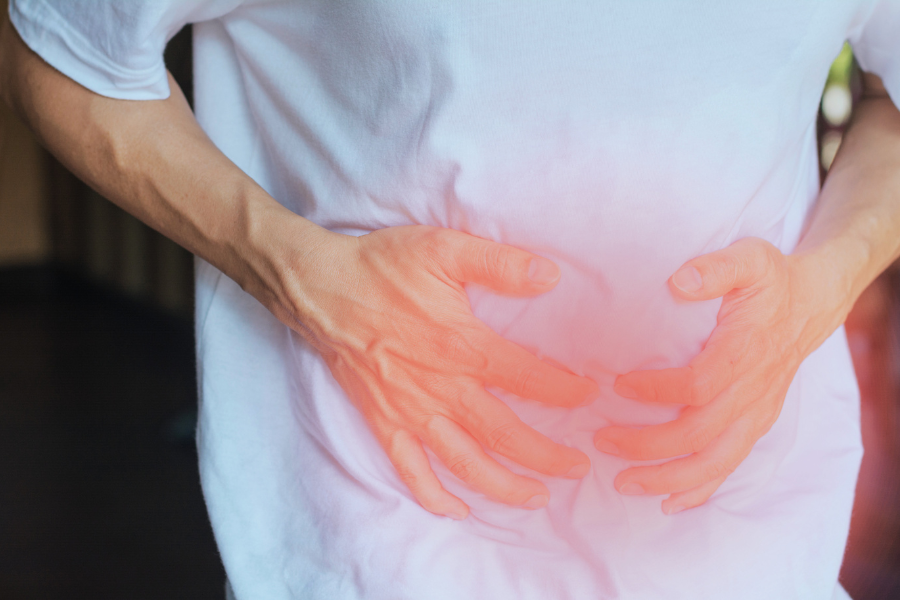
8 Best Treatments for Pelvic Pain After Hysterectomy in 2027
Pelvic pain after hysterectomy can have multiple contributors, so treatment may require more than one strategy. Learn how central sensitization works and review eight options, from pelvic floor therapy and psychological approaches to medications, procedures, and coordinated programs designed to address physical and nervous system factors.

Pelvic pain after hysterectomy is more common than many patients realize. A 2024 prospective multicenter study found that 16.4% reported persistent pelvic pain one year after benign hysterectomy, and a 2025 systematic review documented rates from 12% to 60% depending on the population studied.
If you are living with ongoing pelvic pain months or years after surgery, you are not alone, and effective options exist. This guide covers eight evidence-based treatments that target different aspects of persistent pelvic pain, starting with approaches that address its root neurological mechanisms.
Key Takeaways
- Pelvic pain often persists after hysterectomy because the nervous system remains sensitized even after surgical healing is complete.
- Brain-based pain recovery programs target this central sensitization directly, addressing the neurological drivers rather than just symptoms.
- Pelvic floor physical therapy, CBT, ACT, and mind-body approaches each have supporting evidence for chronic pelvic pain in women.
- Non-opioid medications like gabapentin may offer short-term relief, but guidelines recommend against long-term opioid use for this condition.
- A coordinated, multidisciplinary approach that combines multiple treatments tends to produce stronger outcomes than any single intervention alone.
Why Pelvic Pain Can Persist After Hysterectomy
Understanding why pain continues after surgery is the first step toward choosing the right treatment.
When pelvic pain lasts longer than three months, the original tissue damage from surgery has typically healed. But the nervous system can remain in a heightened state of alert. This phenomenon, known as central sensitization, occurs when the central nervous system amplifies pain signals and lowers its threshold for triggering a pain response.
A 2025 clinical review found that central sensitization pain severity poorly correlates with the extent of pelvic pathology. In other words, imaging may show complete surgical healing while the brain continues generating real pain signals. Researchers now classify this as nociplastic pain, a category recognized by the International Association for the Study of Pain that describes pain arising from altered nervous system processing rather than ongoing tissue damage.
Additional factors can contribute to persistent post-hysterectomy pain:
- Pelvic floor muscle dysfunction from surgical disruption and compensatory guarding patterns
- Adhesion formation at the surgical site
- Nerve sensitization along pelvic nerve pathways
- Psychological factors including fear of movement, catastrophizing, and emotional distress, which research shows interact with central sensitization to maintain chronic pain
Younger age at the time of surgery is also associated with higher risk of persistent pain, according to the 2025 systematic review.
Because multiple mechanisms often overlap, the ACOG Practice Bulletin emphasizes that central nervous system sensitization makes it unlikely pain will resolve through any single intervention. That is why many of the treatments below work more effectively in combination.
1. Brain-Based Pain Recovery Programs
For women whose pelvic pain persists well beyond surgical healing, programs that directly target the nervous system's role in maintaining pain represent one of the most mechanism-aligned treatment options available.
How they work
Brain-based pain recovery programs address chronic pelvic pain by retraining the nervous system's pain processing. Rather than focusing on the surgical site itself, these programs help patients understand that their pain alarm has become "stuck" and teach specific techniques to recalibrate it.
This approach draws on neuroplastic pain science, which shows that chronic pain often reflects learned neural pathways rather than ongoing tissue damage. By working with the brain's ability to form new pathways, patients can gradually reduce or resolve pain that has resisted other treatments.
What to expect
Structured brain-based programs typically combine multiple evidence-based modalities into a single treatment plan:
- Cognitive behavioral therapy (CBT) to address pain-related thought patterns and behaviors
- Acceptance and commitment therapy (ACT) to build psychological flexibility around pain
- Somatic tracking to change the brain's relationship with pain signals
- Pain neuroscience education to help patients understand what drives their symptoms
Programs like Lin Health deliver these modalities through one-on-one coaching sessions with trained recovery coaches, supplemented by app-based learning and practice materials. This coach-led model provides personalized guidance that self-paced apps or books cannot replicate.
Who may benefit most
Brain-based programs may be a strong fit for women who:
- Have pain that persists six months or more after hysterectomy with no identifiable structural cause
- Have tried medications, injections, or additional procedures without lasting relief
- Experience pain that moves, spreads, or fluctuates in ways that do not track with physical activity
- Notice that stress, emotions, or sleep quality significantly affect their pain levels
2. Pelvic Floor Physical Therapy
Hysterectomy can disrupt the pelvic floor muscles that support the bladder, uterus, and rectum. Even with skilled surgical technique, these muscles may develop tension patterns, weakness, or coordination problems that contribute to ongoing pain.
What the evidence shows
A 2024 systematic review with meta-analyses found moderate-quality evidence that pelvic floor muscle training improves sexual function in women after hysterectomy. Effects on urinary symptoms and muscle strength were less consistent across studies, but the review's authors noted that methodological quality varied.
A separate 2025 meta-analysis in the American Journal of Obstetrics and Gynecology confirmed that hysterectomy is associated with pelvic floor disorders in both the short and long term, underscoring the value of proactive rehabilitation.
What to expect
A pelvic floor physical therapist will typically:
- Assess muscle tone, strength, and coordination through internal and external examination
- Develop a program of targeted exercises, manual therapy, and relaxation techniques
- Address compensatory movement patterns that may have developed after surgery
- Use biofeedback to help patients learn to identify and release muscle tension
Key considerations
Pelvic floor PT is more effective when it addresses both weakness and excessive tension. Many women with chronic pelvic pain have hypertonic (overly tight) pelvic floor muscles rather than weak ones. A therapist trained in pelvic pain, not just incontinence, is essential. Ask whether the therapist has specific experience with post-surgical pelvic pain.
3. Cognitive Behavioral Therapy (CBT)
CBT is one of the most extensively studied psychological treatments for chronic pain conditions, and emerging research supports its use specifically in chronic pelvic pain.
What the evidence shows
A 2025 randomized trial in women with endometriosis and chronic pelvic pain found that CBT improved mood and pain outcomes compared to a control group. The 2026 HaPPI trial of telehealth CBT demonstrated improved quality of life in people with endometriosis and pelvic pain.
A 2026 systematic review of psychosocial management of chronic pelvic pain concluded that CBT, along with related approaches, was effective for chronic pelvic pain across multiple outcome measures.
For broader chronic pain, CBT reduces pain and disability with effects that generally persist at follow-up. These findings have informed ACOG's recommendation of psychological therapies as part of chronic pelvic pain management.
How CBT helps with post-hysterectomy pain
CBT for pelvic pain typically focuses on:
- Identifying and restructuring thoughts that amplify the pain experience (catastrophizing, fear-avoidance)
- Building paced activity and graduated exposure to movements that feel threatening
- Developing coping strategies for pain flares
- Addressing the emotional toll of living with pain after a surgery that was expected to help
Access options
CBT for chronic pain is available through pain psychologists, licensed clinical psychologists with pain specialization, and increasingly through telehealth platforms. It is also a core component of structured programs like Lin Health, where it is integrated with other modalities and delivered through regular coaching sessions.
4. Acceptance and Commitment Therapy (ACT)
ACT takes a different angle from CBT. Rather than directly changing pain-related thoughts, ACT helps patients build a meaningful life alongside pain by increasing psychological flexibility.
What the evidence shows
A 2024 meta-analysis of 21 randomized trials found that ACT produced improved pain interference and function for adults with chronic pain, with smaller but meaningful effects on pain intensity and anxiety. A separate 2024 overview of nine systematic reviews confirmed these findings across 84 individual meta-analyses.
While most ACT research has focused on chronic pain broadly rather than pelvic pain specifically, the mechanisms it targets, particularly pain avoidance, emotional suppression, and loss of valued activities, are central to the experience of persistent post-hysterectomy pain.
Core techniques
ACT for chronic pelvic pain typically involves:
- Values clarification to identify what matters most and redirect energy toward those areas
- Cognitive defusion to create distance from unhelpful pain-related thoughts without fighting them
- Mindful awareness of pain sensations without automatic avoidance reactions
- Committed action toward meaningful goals despite ongoing symptoms
Why ACT complements other treatments
ACT pairs well with pelvic floor PT and brain-based approaches because it directly addresses the avoidance patterns that can slow physical rehabilitation. When patients stop organizing their lives around pain prevention, they often find more room for the movement and engagement that support recovery.
5. Mind-Body Practices
Mindfulness meditation, yoga, and somatic tracking each offer distinct pathways for changing the relationship between the brain and chronic pelvic pain signals.
Mindfulness meditation
A 2024 feasibility study in women with chronic pelvic pain found that improved patient-reported quality of life, though the authors noted that the evidence base for pelvic pain specifically remains limited compared to other chronic pain conditions. Mindfulness-based stress reduction (MBSR), which combines meditation with gentle movement, has stronger evidence in broader chronic pain populations.
Yoga
Yoga for chronic pelvic pain requires careful selection of practices. Some poses that increase pelvic floor tension may worsen symptoms rather than relieve them. Therapeutic yoga programs designed for pelvic pain focus on gentle stretching, breath work, and relaxation rather than strength-building poses.
A skilled instructor familiar with pelvic pain can modify practices to avoid exacerbating muscle tension while still delivering the stress-reduction and body-awareness benefits that support recovery.
Somatic tracking
Somatic tracking is a technique drawn from pain reprocessing research that involves observing pain sensations with curiosity and safety rather than fear. By changing the emotional context around pain signals, somatic tracking helps the nervous system recalibrate its threat assessment.
This technique is particularly relevant for post-hysterectomy pain because it directly targets the fear-pain cycle that often develops when pain continues after a procedure that was expected to resolve it.
6. Non-Opioid Medications
Medication can play a supporting role in chronic pelvic pain management, particularly during the early phases of treatment when other approaches are building momentum.
Gabapentinoids
A systematic review and meta-analysis found that gabapentin reduced pelvic pain intensity compared to placebo in women with chronic pelvic pain and no other identified diagnosis. A 2023 review of neuromodulatory drugs found that most studies showed pain improvement with these agents, though methodological quality varied.
Side effects include drowsiness, dizziness, and cognitive fogging, which may limit tolerability for some patients.
Tricyclic antidepressants
Low-dose amitriptyline and nortriptyline are sometimes prescribed for chronic pelvic pain based on their effects on pain signaling pathways. The evidence in pelvic pain specifically is limited to small trials, and side effects (dry mouth, constipation, sedation) can be significant.
SNRIs
Duloxetine has evidence for certain chronic pain conditions but has not been tested specifically in chronic pelvic pain populations. Its use here is based on extrapolation from other pain research.
What guidelines recommend
The ACOG Practice Bulletin notes that evidence for pharmacological management of chronic pelvic pain is limited, and recommendations are largely extrapolated from treatment of other chronic pain conditions. ACOG does not recommend long-term opioid therapy for chronic pelvic pain due to limited evidence of benefit and significant risk of harm.
Medications tend to work more effectively as part of a broader treatment plan rather than as a standalone approach.
7. Nerve-Targeting Procedures
When pain follows specific nerve distributions, targeted procedures may help reduce signaling along those pathways.
Nerve blocks
Pelvic nerve blocks involve injecting local anesthetic (sometimes combined with a corticosteroid) near nerves that supply the pelvic region. These can serve both diagnostic and therapeutic purposes: if a block significantly reduces pain, it confirms that specific nerve is involved.
Common targets include the pudendal nerve, the superior hypogastric plexus, and the ilioinguinal/iliohypogastric nerves. Relief from a single block is typically temporary (days to weeks), but a series of blocks may produce longer-lasting benefit in some patients.
Neuromodulation
Sacral neuromodulation uses mild electrical impulses to modify pain signaling along the sacral nerve roots. A small 2025 study reported long-term pain reduction in patients with endometriosis-related chronic pelvic pain, though the evidence base remains limited to observational data and there are no sham-controlled trials for pelvic neuromodulation specifically.
Key considerations
The ACOG Practice Bulletin notes that surgical interventions, including laparoscopic uterosacral nerve ablation and presacral neurectomy, do not improve pelvic pain. Nerve-targeting procedures may be most appropriate when pain clearly follows a specific nerve distribution and conservative treatments have been insufficient.
8. Multidisciplinary Pain Programs
Chronic pelvic pain rarely has a single cause, which is why comprehensive programs that address multiple contributing factors simultaneously tend to produce the strongest results.
Why multidisciplinary care matters
ACOG's Practice Bulletin emphasizes that because central nervous system sensitization is involved in chronic pelvic pain, single modality rarely resolves symptoms. A coordinated plan might combine pelvic floor rehabilitation, psychological treatment, medical management, and lifestyle modification under one care team.
What to look for
Effective multidisciplinary pain programs typically include:
- A lead clinician (gynecologist, pain specialist, or physiatrist) coordinating the treatment plan
- Pelvic floor physical therapy
- Psychological support (CBT, ACT, or both)
- Medical management of any contributing conditions
- Education about pain neuroscience and self-management strategies
The challenge is access. Comprehensive multidisciplinary pelvic pain programs exist at academic medical centers, but many patients face long wait times and geographic barriers. Virtual and hybrid models are expanding access, with some digital pain recovery programs now offering integrated behavioral and coaching support entirely online.
How Lin Health Helps with Pelvic Pain After Hysterectomy
Lin Health's program is built around the science of neuroplastic pain, the understanding that persistent pain often reflects a sensitized nervous system rather than ongoing tissue damage. For women with chronic pelvic pain after hysterectomy, this approach directly targets the central mechanism that keeps pain firing after surgical healing is complete.
The program pairs each patient with a dedicated recovery coach who guides them through evidence-based modalities including CBT, ACT, somatic tracking, and pain neuroscience education. Sessions happen live, one-on-one, and are supplemented by app-based learning, practice exercises, and between-session messaging with the coach.
What sets this model apart:
- Specialized in persistent physical symptoms. Unlike general therapists who may focus on depression or anxiety as the primary issue, Lin Health coaches are trained specifically to address chronic pelvic pain and other persistent pain conditions through behavioral and neurological retraining.
- Insurance covered. The program is covered by most major insurance plans in Colorado, Texas, Florida, California, and New York, with coverage in additional states. Most patients pay nothing out of pocket.
- Short wait times. After signing up, patients typically receive a same-day callback to verify eligibility and begin the enrollment process.
If pelvic pain has continued despite surgery and other treatments, a brain-based approach may be worth exploring. Check your insurance eligibility to see if the program may be a fit for your situation.
FAQ
Is it normal to have pelvic pain years after a hysterectomy?
Yes. Persistent pelvic pain affects an estimated 5% to over 30% of women following hysterectomy, depending on the reason for surgery and other factors. When pain lasts beyond tissue healing, it often involves central sensitization, where the nervous system continues generating pain signals independently of tissue damage.
What causes chronic pelvic pain after hysterectomy?
Multiple factors may contribute, including pelvic floor muscle dysfunction, adhesion formation, nerve sensitization, and central nervous system changes. In many cases, the nervous system's pain alarm becomes "stuck" in a heightened state. Psychological factors like fear of movement and emotional distress can also maintain the pain cycle.
Can pelvic floor therapy help after hysterectomy?
Pelvic floor physical therapy has moderate evidence for sexual function after hysterectomy and may help with muscle-related pain. It is most effective when delivered by a therapist trained in pelvic pain rather than general pelvic floor rehabilitation.
How long should I wait before starting treatment for post-hysterectomy pelvic pain?
Most clinicians recommend allowing 6 to 12 weeks for initial surgical recovery. If pain persists beyond three months, it is reasonable to begin exploring treatments that address chronic pain mechanisms. Brain-based and behavioral approaches can often start alongside physical recovery.
Are opioids recommended for chronic pelvic pain?
No. The ACOG Practice Bulletin does not recommend opioid therapy for chronic pelvic pain due to limited evidence of benefit and significant risks including dependence. Non-opioid medications and behavioral approaches are preferred.
Can behavioral therapy really help with physical pelvic pain?
Yes. Research increasingly shows that chronic pain involves changes in how the nervous system processes signals. Cognitive behavioral therapy improves pain and disability in adults with chronic pain, and ACT improves pain interference and function.
This article is for informational purposes only and is not a substitute for professional medical advice, diagnosis, or treatment. Always consult a qualified healthcare provider before starting or changing any treatment plan for chronic pelvic pain. Lin Health's program is not a replacement for medical care and is designed to work alongside your existing treatment team.
Last reviewed: November 2026