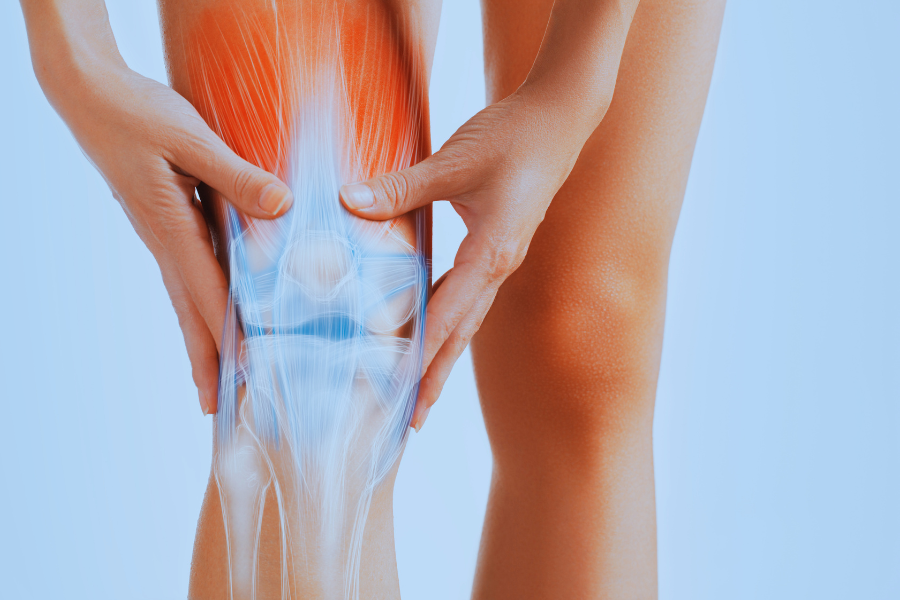
8 Evidence-Based Treatments for Chronic Post-Traumatic Pain in 2026
Chronic post-traumatic pain can continue after injuries heal due to changes in the nervous system. This article explores eight evidence-based treatments, including brain-based pain reprocessing, behavioral therapies, physical rehabilitation, medications, and other approaches that may help people understand and manage persistent pain.

Chronic post-traumatic pain develops when pain persists for three months or longer after a physical injury has healed. Classified under ICD-11 as MG30.2, it affects an estimated 30% to 70% of trauma survivors, including people recovering from car accidents, workplace injuries, surgeries, and military combat.
In many of these cases, imaging confirms the original tissue damage has resolved. Yet the pain continues, sometimes spreading to new areas. Research now points to central sensitization patterns as a primary driver. The brain's pain alarm, which served a protective role during the acute injury, can become stuck in a heightened state long after healing is complete.
Understanding this mechanism has expanded the treatment landscape considerably. This guide covers 8 evidence-based approaches for chronic post-traumatic pain in 2026, from brain-based behavioral programs through pharmacological and interventional options.
Key Takeaways
- Chronic post-traumatic pain often persists because the nervous system's pain alarm stays active after tissue healing, a process called central sensitization.
- Brain-based pain reprocessing programs target these stuck neural pathways through structured coaching and behavioral therapy, with evidence for durable five-year results in chronic pain.
- Behavioral therapies such as CBT, ACT, and EAET each have evidence for reducing pain intensity, disability, and emotional distress in adults with chronic pain conditions.
- The CDC's 2022 guideline and the VA/DoD recommend non-opioid therapies as first-line treatment for chronic pain.
- A coordinated, multimodal approach combining behavioral and medical treatments typically produces the most sustained improvement for people living with post-traumatic pain.
1. Brain-Based Pain Reprocessing Programs
When pain persists after an injury has healed, the problem often shifts from the tissue to the nervous system itself. Brain-based pain reprocessing programs address this directly, helping people retrain the neural pathways that keep the pain alarm firing without an ongoing physical cause.
How it works
After physical trauma, the brain can develop learned pain patterns. Even when scans confirm tissue has healed, the nervous system continues interpreting normal body signals as dangerous. Pain reprocessing approaches work by helping people reattribute their pain to brain-based processes rather than ongoing tissue damage, which gradually reduces the brain's threat response.
These programs typically combine pain reprocessing therapy (PRT) principles, cognitive behavioral techniques, acceptance-based strategies, emotional processing, and somatic tracking exercises. Sessions are delivered through trained coaches or therapists, with structured modules and between-session practice.
What the evidence shows
In a randomized controlled trial of pain reprocessing therapy for chronic back pain, roughly two-thirds of participants were pain-free or nearly pain-free after four weeks (eight sessions). More than half of those participants sustained five-year outcomes, demonstrating that brain-based retraining can produce lasting change. A secondary analysis confirmed that the mechanism driving recovery was shifting pain understanding, from a sign of body damage to a brain-generated signal.
The neuroplastic mechanism behind these approaches is directly relevant to chronic post-traumatic pain. A 2025 study found that trauma and central sensitization are significantly linked across the nociplastic pain spectrum, meaning trauma itself may prime the nervous system for chronic pain.
Who it may help
Adults with chronic pain following injury, accident, or surgery where imaging shows tissue has healed but pain persists. This approach is particularly relevant for people who have tried physical therapy, medications, or injections without lasting relief, and for those whose pain has spread beyond the original injury site.
Lin Health delivers brain-based pain reprocessing through a structured program that includes weekly sessions with trained recovery coaches, a mobile app with learning and practice materials, and between-session chat support. The program's approach is grounded in clinical research and is covered by most major insurance carriers in Colorado, Texas, Florida, California, and New York, with most patients paying zero out of pocket.
2. Cognitive Behavioral Therapy for Pain (CBT-P)
Cognitive behavioral therapy adapted for chronic pain (CBT-P) is the most extensively studied psychological treatment for persistent pain conditions. It focuses on identifying and restructuring the thought patterns, beliefs, and behaviors that amplify and maintain chronic pain.
How it works
CBT-P helps people recognize how catastrophic thinking ("this pain will never end"), fear-avoidance behaviors (avoiding movement because it might hurt), and emotional responses like frustration or anxiety can intensify the pain experience. Through structured sessions, patients learn to challenge unhelpful pain-related thoughts, gradually re-engage with activities, and develop coping strategies that reduce the nervous system's threat response.
What the evidence shows
The largest review of psychological therapies for chronic pain, covering 75 randomized trials and more than 5,000 participants, found that CBT reduces pain and disability with small-to-moderate effect sizes in adults with chronic non-headache pain. These effects were generally maintained at follow-up assessments. The CDC's 2022 clinical practice guideline includes CBT among its recommended first-line non-opioid treatments for chronic pain.
Who it may help
Adults with chronic pain who notice that worry, fear of movement, or frustration significantly affects their daily functioning. CBT-P is widely available through psychologists, pain clinics, and digital CBT pain programs. It can be delivered in person or via telehealth, typically over 8 to 12 sessions.
3. Emotional Awareness and Expression Therapy (EAET)
Emotional awareness and expression therapy is a newer approach that focuses on the role of unprocessed emotions in maintaining chronic pain. It has shown particularly strong results in populations with trauma histories.
How it works
EAET is built on the premise that chronic pain can be driven or worsened by avoided or suppressed emotional experiences, including anger, grief, guilt, or fear tied to past events. Rather than managing pain through cognitive restructuring (as in CBT), EAET helps people identify, express, and process these emotions directly. The goal is to reduce the emotional fuel that keeps the nervous system in a threat state.
What the evidence shows
In a 2024 randomized trial of 126 older veterans with chronic musculoskeletal pain, 63% of EAET participants achieved clinically meaningful pain reduction(30% or greater decrease), compared to 17% in the CBT group. EAET also produced greater improvements in anxiety, depression, life satisfaction, and PTSD symptoms. Roughly one-third of participants in this trial had co-occurring PTSD, making the findings directly relevant to post-traumatic pain. Effects were sustained at six months, with 41% of the EAET group maintaining meaningful pain reduction versus 14% in the CBT group.
A 2025 study protocol published in BMJ Open is now testing EAET for post-traumatic pain, which will provide direct evidence for the post-traumatic pain population.
Who it may help
Adults whose chronic post-traumatic pain is accompanied by unresolved emotional experiences related to the trauma itself, such as anger about the accident, grief over lost function, or fear connected to the injury event. EAET may be especially relevant for people with co-occurring PTSD symptoms or those who have not responded to purely cognitive approaches like CBT.
4. Acceptance and Commitment Therapy (ACT)
Acceptance and commitment therapy takes a different angle from CBT. Rather than trying to change pain-related thoughts, ACT helps people develop a different relationship with their pain so they can pursue meaningful activities even while pain is present.
How it works
ACT teaches psychological flexibility through six core processes: acceptance of difficult experiences, cognitive defusion (stepping back from unhelpful thoughts), present-moment awareness, observing the self, clarifying personal values, and committed action toward those values. For chronic post-traumatic pain, this means learning to carry pain without letting it dictate decisions, gradually rebuilding a life shaped by what matters rather than what hurts.
What the evidence shows
A 2024 overview of nine systematic reviews found that ACT reduces anxiety and catastrophizing while improving mindfulness and pain acceptance in adults with chronic pain. A separate 2024 meta-analysis of 21 randomized trials reported medium effects on function, with a large effect for functional improvement at three-month follow-up. Effects on pain intensity itself were smaller, suggesting ACT's primary benefit is in how people function despite pain rather than eliminating the sensation.
Who it may help
Adults with chronic post-traumatic pain who feel their life has narrowed around pain avoidance. ACT is a good fit for people who are less focused on pain elimination and more interested in re-engaging with work, relationships, and activities that matter to them. It is available through trained therapists and is one of the core modalities used in integrated pain programs.
5. Mindfulness-Based Stress Reduction (MBSR)
Mindfulness-based stress reduction is a structured eight-week program combining meditation, body scanning, and gentle yoga. Originally developed for stress, it has been widely studied in chronic pain populations.
How it works
MBSR trains non-judgmental awareness of present-moment experiences, including pain sensations. By observing pain without reacting to it, participants can interrupt the stress-pain cycle in which anxiety about pain amplifies the pain signal itself. The body scan component also helps people develop a more accurate sense of what their body is actually experiencing versus what their nervous system predicts.
What the evidence shows
The American College of Physicians includes MBSR among its recommended first-line non-drug treatments for chronic low back pain. However, the evidence for pain intensity reduction specifically is mixed. A 2025 meta-analysis found that mindfulness-based interventions did not significantly reduce pain severity in fibromyalgia compared to active controls, though they showed small positive effects on quality of life. MBSR appears most helpful for the stress, sleep disruption, and emotional distress that often accompany post-traumatic pain, rather than for pain intensity directly.
Who it may help
Adults with chronic post-traumatic pain who experience significant stress, anxiety, or sleep disruption alongside their pain. MBSR is widely available in person and online, and is often covered by insurance when offered through medical centers. It works well as a complement to other treatments on this list rather than a standalone approach for pain reduction.
6. Graded Exercise Therapy and Physical Rehabilitation
Graded exercise therapy uses a structured, progressive approach to physical activity, gradually increasing intensity and duration based on a planned schedule rather than pain levels. It directly addresses the fear of movement that commonly develops after traumatic injury.
How it works
After a traumatic injury, many people develop kinesiophobia, a fear that movement will cause reinjury or worsen their pain. This leads to inactivity, deconditioning, and ultimately more pain, a cycle that graded exercise is designed to break. Working with a physical therapist, patients start below their pain threshold and increase activity on a fixed schedule, building confidence that movement is safe. For complex cases like CRPS (complex regional pain syndrome), techniques like graded motor imagery and mirror therapy are used to retrain the brain's body map before physical movement begins.
What the evidence shows
Exercise-based therapies are recommended by CDC guidelines as first-line treatment for chronic pain. For post-traumatic CRPS specifically, a 2024 systematic review found that graded motor imagery and mirror therapy produced large effect sizes for both pain reduction (SMD 1.36 to 1.88) and disability improvement (SMD 1.30 to 1.64), though evidence quality remains limited by small sample sizes.
Who it may help
Adults with chronic post-traumatic pain who have become less active due to fear of movement or reinjury. Especially relevant for people recovering from musculoskeletal trauma, post-surgical pain, or CRPS. This approach works well alongside brain-based and behavioral treatments, physical and behavioral treatments offer complementary rehabilitation benefits.
7. Non-Opioid Medications
For chronic post-traumatic pain that involves neuropathic components or significant functional impairment, several non-opioid medication classes have evidence for pain reduction and improved quality of life.
What the evidence shows
Duloxetine (SNRI): A 2023 systematic review of 13 randomized trials and more than 4,200 participants found that duloxetine reduces 24-hour pain scores and improves physical function in adults with chronic musculoskeletal pain, including osteoarthritis, chronic low back pain, and fibromyalgia. It is FDA-approved for several chronic pain conditions.
Pregabalin and gabapentin: These anticonvulsants are commonly prescribed for neuropathic pain after trauma. A 2025 systematic review found that pregabalin shows superior and faster pain relief compared to gabapentin for neuropathic pain, with better quality-of-life scores and fewer adverse events.
Topical agents: Topical lidocaine and capsaicin can provide localized relief for specific pain areas without systemic side effects, and are included in the CDC's recommended non-opioid options.
Who they may help
Adults with chronic post-traumatic pain that includes neuropathic features (burning, shooting, electric-shock sensations) or widespread musculoskeletal pain. Medications are most helpful as part of a multimodal plan that also includes behavioral and physical approaches. The CDC's 2022 guideline recommends maximizing non-pharmacologic treatments first and using non-opioid medications when additional relief is needed.
8. Neuromodulation and Targeted Nerve Blocks
For chronic post-traumatic pain that has not responded to behavioral, physical, or pharmacological approaches, neuromodulation and targeted nerve blocks offer additional options.
How they work
Transcutaneous electrical nerve stimulation (TENS) delivers low-voltage electrical current through skin electrodes to modulate pain signaling. It is non-invasive and available for home use.
Spinal cord stimulation (SCS) uses implanted electrodes to deliver electrical pulses that interrupt pain signals before they reach the brain. It is typically reserved for refractory neuropathic or post-surgical pain.
Targeted nerve blocks involve injecting anesthetic or anti-inflammatory medication around specific nerves to interrupt pain transmission. They can serve both diagnostic and therapeutic purposes, helping identify pain generators while providing temporary relief.
What the evidence shows
Evidence for these interventional approaches in chronic post-traumatic pain is more limited than for behavioral and pharmacological treatments. A Cochrane overview of TENS found that existing evidence is of very low quality and insufficient to confirm effectiveness for chronic pain. Spinal cord stimulation has shown benefit for some refractory neuropathic pain conditions, though a 2026 systematic review noted that evidence remains heterogeneous for trauma-specific populations. Consensus guidelines on patient selection for SCS emphasize careful screening and a trial period before permanent implantation.
Who they may help
Adults with chronic post-traumatic pain who have not achieved adequate relief from behavioral, physical, and pharmacological treatments. These approaches should be considered in consultation with a pain medicine specialist, as part of a comprehensive treatment plan rather than as standalone interventions.
How Lin Health Helps with Chronic Post-Traumatic Pain
Chronic post-traumatic pain is, in many cases, a textbook example of a "stuck" pain alarm. The injury happened, the body healed, but the nervous system did not get the message. Fear of reinjury, frustration with ineffective treatments, emotional distress tied to the traumatic event, and hypervigilance about pain signals all feed a cycle that keeps the alarm firing. This is exactly the pattern that Lin Health's brain-first approach is designed to address.
Lin Health's program combines multiple evidence-based behavioral modalities, including CBT, ACT, emotional awareness and expression techniques, pain reprocessing strategies, and somatic tracking. The approach is based on clinical research showing that retraining how the brain interprets pain signals can produce lasting relief, even after years of chronic pain.
The program is delivered through trained recovery coaches who specialize in chronic pain (not general-purpose therapists), with weekly live sessions, between-session chat support, and a mobile app with structured learning modules. This coaching-led model means you are not working through a book or self-paced app alone. Someone who understands why nothing worked is walking you through every step.
Lin Health is covered by most major insurance carriers in Colorado, Texas, Florida, California, and New York, with most patients paying zero out of pocket. Wait times are short: most patients receive a same-day callback after signing up. Read patient recovery stories.
If you have been living with chronic pain since an injury, accident, or surgery, and conventional treatments have not provided lasting relief, a brain-based approach may be worth exploring. Check your insurance eligibility, with most patients fully covered and connected to a coach within days.
FAQ
What is chronic post-traumatic pain?
Chronic post-traumatic pain is pain that persists for three months or longer after a physical injury, even when the original tissue damage has healed. Classified as ICD-11 code MG30.2, it can develop after car accidents, surgeries, falls, sports injuries, or combat. The pain often involves changes in the nervous system rather than ongoing tissue damage.
Why does pain continue after an injury has healed?
After tissue heals, the nervous system can remain in a heightened alert state, a process called central sensitization. The brain's pain alarm continues firing even without ongoing tissue damage. Research shows traumatic experiences are associated with central sensitization, and the pain can spread to areas beyond the original injury site.
Can chronic post-traumatic pain be treated without opioids?
Yes. The CDC's 2022 guideline recommends non-opioid therapies as first-line treatment for chronic pain. Evidence-based alternatives include brain-based pain reprocessing, CBT, ACT, graded exercise, and non-opioid medications such as duloxetine. Many patients find sustained relief through behavioral approaches that target nervous system pain processing.
How long do brain-based pain treatments take to work?
Results vary by individual and approach. In one randomized trial of pain reprocessing therapy, roughly two-thirds of participants with chronic back pain were pain-free or nearly pain-free after four weeks (eight sessions). Behavioral therapies like CBT and EAET typically run 8 to 12 sessions, with improvements often appearing within the first several weeks.
Is chronic post-traumatic pain the same as CRPS?
Not exactly. Complex regional pain syndrome (CRPS) is one specific type of chronic post-traumatic pain, marked by severe burning pain, swelling, and skin changes, usually in a limb. Chronic post-traumatic pain is the broader category, which includes persistent pain after any trauma such as whiplash, surgical recovery, fracture healing, or combat injury.
Does insurance cover treatment for chronic post-traumatic pain?
Coverage depends on the treatment and your plan. Many behavioral and physical therapy approaches are covered under standard health insurance. Programs like Lin Health are covered by most major insurance carriers in states including CO, TX, FL, CA, and NY, with most patients paying zero out of pocket.
What should I do if nothing has worked for my chronic pain after an injury?
If conventional treatments have not provided lasting relief, brain-based approaches that target how your nervous system processes pain may be worth exploring. Many people with chronic post-traumatic pain have not tried behavioral interventions specifically designed for pain. Ask your provider about pain reprocessing programs, CBT for pain, or EAET.
This article is for informational purposes and is not medical advice. Consult a qualified healthcare provider before starting or changing any treatment plan for chronic pain. If you are experiencing a medical emergency, call 911.





.png)
.png)