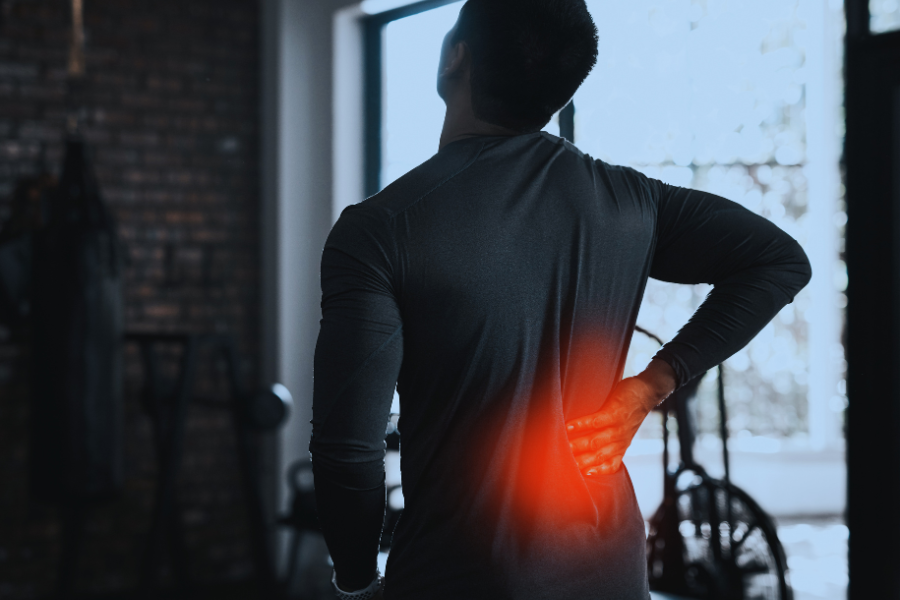
8 Alternatives to Muscle Relaxers for Chronic Back Pain
Muscle relaxers can provide short-term relief, but chronic back pain often requires broader strategies. Learn about evidence-based alternatives such as exercise, behavioral therapies, mindfulness, acupuncture, and other approaches that focus on improving function, reducing pain impact, and helping individuals manage persistent symptoms through personalized care strategies.

Muscle relaxers like cyclobenzaprine, tizanidine, and methocarbamol are among the most commonly prescribed medications for chronic back pain. But recent evidence is raising questions about whether they belong in a long-term treatment plan.
A 2024 systematic review of 44 studies found that muscle relaxants were no better than placebo for chronic low back pain, despite showing short-term benefits for acute pain episodes. Side effects, including sedation, dry mouth, and cognitive impairment, add to the case for exploring alternatives. Both the ACP's clinical guideline and the CDC's 2022 prescribing guideline now recommend non-pharmacological therapies as first-line treatment for chronic low back pain.
Here are eight evidence-based alternatives for back pain worth discussing with your healthcare provider.
Key Takeaways
- Muscle relaxants show limited long-term benefit for chronic back pain and carry risks of sedation, cognitive effects, and withdrawal.
- Brain-based pain retraining approaches like PRT have demonstrated durable pain reduction at 5 years in adults with chronic back pain.
- Clinical guidelines from the ACP and CDC recommend non-drug therapies as first-line treatment for chronic low back pain.
- Physical therapy, mindfulness, acupuncture, and yoga each have moderate-to-strong evidence supporting use for chronic back pain management.
- Talk with your doctor before stopping any medication, as muscle relaxers may require gradual tapering.
Why Muscle Relaxers May Not Be the Right Long-Term Solution
Muscle relaxers were originally designed for short-term relief of acute muscle spasms. For acute back pain, they can help. The problem is that chronic back pain, which is pain lasting more than 3 months, often involves the nervous system, not just the muscles.
The 2024 JAMA Network Open systematic review evaluated nine muscle relaxant medications across 44 studies (2,482 participants). For chronic low back pain, results were no better than placebo. The most common side effects were sedation and dry mouth, with additional risks of dizziness, drowsiness, and, in the case of tizanidine, risk of withdrawal.
These findings help explain why current clinical guidelines have shifted toward non-pharmacological first-line treatment. The alternatives below target the underlying pain drivers rather than temporarily suppressing symptoms.
1. Brain-Based Pain Retraining
When back pain persists beyond 3 months, the nervous system can become part of the problem. Pain signals may continue firing even after tissues have healed, creating what researchers call central sensitization or neuroplastic pain. Brain-based pain retraining targets this directly by helping retrain the brain's response to pain signals.
The primary modalities include:
- Pain Reprocessing Therapy (PRT) teaches patients to reappraise pain signals as non-dangerous, reducing the brain's threat response
- Cognitive Behavioral Therapy (CBT) addresses pain-related thought patterns, catastrophizing, and avoidance behaviors
- Acceptance and Commitment Therapy (ACT) helps patients pursue meaningful activities despite pain, reducing pain's hold on daily life
- Emotional Awareness and Expression Therapy (EAET) targets unresolved emotional factors that may amplify or maintain chronic pain
What the evidence shows
In a randomized controlled trial of adults with chronic back pain, two-thirds of PRT participants reported near-elimination of pain after treatment. A 5-year follow-up of the same trial confirmed lasting results: 55% of PRT participants remained nearly or completely pain-free, compared to 26% receiving placebo.
CBT has small beneficial effects on pain, disability, and distress for adults with chronic pain, with improvements largely maintained when compared to no treatment. A 2022 meta-analysis found that CBT reduced pain and fear in adults with chronic low back pain specifically.
EAET has shown particular promise in recent trials. In a 2024 randomized trial of older veterans with chronic musculoskeletal pain, EAET outperformed CBT for pain, with 35% of participants experiencing 50% or greater pain reduction compared to 7% receiving CBT.
Who it may help
Adults with chronic low back pain, particularly those whose pain has persisted beyond what imaging or physical findings can fully explain. These approaches work alongside medical care, not as a replacement. Pain reprocessing therapy and related modalities are available through specialized programs, including Lin Health.
2. Physical Therapy and Targeted Exercise
Physical therapy remains one of the most broadly supported treatments for chronic back pain. The ACP's clinical guideline lists exercise among its first-line recommendations, and the APTA's 2021 guideline outlines specific exercise-based interventions for chronic low back pain.
Common approaches include:
- Core stabilization exercises to support the spine
- Aerobic conditioning (walking, swimming, cycling) to reduce pain sensitivity
- Graded exposure to movement for patients with fear of movement
- Manual therapy as an adjunct to active exercise
What the evidence shows
The APTA's 2021 guideline recommends exercise-based interventions for chronic low back pain based on consistent evidence of benefit. Both the ACP and CDC guidelines list exercise among first-line non-drug treatments. Combining exercise with behavioral approaches like CBT may enhance outcomes further.
Who it may help
Most adults with chronic back pain benefit from some form of exercise therapy. It is especially effective when tailored to the individual and combined with strategies that address movement-related fears and avoidance patterns.
3. Mindfulness-Based Stress Reduction (MBSR)
MBSR is a structured 8-week program combining meditation, body awareness, and gentle yoga. For chronic back pain, it addresses the stress-pain cycle that often amplifies symptoms over time.
What the evidence shows
A large randomized trial compared MBSR to CBT and usual care in 342 adults with chronic low back pain. At 26 weeks, 60.5% of MBSR participants achieved clinically meaningful improvement in function, compared to 44.1% receiving usual care alone. These benefits persisted at 52 weeks.
The ACP's 2017 guideline includes MBSR among its recommended non-drug therapies for chronic low back pain.
Who it may help
Adults with chronic back pain who experience significant stress, anxiety, or sleep disruption alongside their pain. MBSR requires commitment to daily practice and is most effective with consistent participation.
4. Acupuncture
Acupuncture involves inserting thin needles at specific points on the body. Research suggests it may modulate pain signaling and promote the body's natural pain-relief pathways, though the exact mechanisms are still being studied.
What the evidence shows
A 2023 systematic review of 14 randomized controlled trials (2,496 participants) found that acupuncture produced meaningful pain reduction compared to both sham acupuncture and usual care for chronic low back pain. A 2025 review of 8 RCTs (1,123 participants) confirmed these findings, reporting significant pain reduction at both immediate and intermediate time points.
Acupuncture is included among the ACP's recommended non-pharmacological options for chronic low back pain.
Who it may help
Adults seeking a non-drug complement to other treatments. Acupuncture is generally safe when performed by a licensed practitioner, with minimal side effects.
5. Yoga and Tai Chi
Both yoga and tai chi combine gentle movement with breathwork and mental focus. They address chronic back pain through multiple pathways: improving flexibility, building core strength, reducing stress, and modifying how the brain processes pain.
What the evidence shows
A 2025 meta-analysis of 8 randomized trials (729 adults) found that tai chi reduced pain significantly in adults with chronic low back pain, with large effect sizes compared to control groups. Limited head-to-head data suggests yoga produces similar benefits for this population.
Both practices are included in the ACP's recommended non-pharmacological therapies for chronic low back pain.
Who it may help
Adults looking for a low-impact, full-body approach. Both practices also improve sleep, mood, and overall physical function. Start with classes designed for people with back pain, and avoid aggressive postures that provoke sharp pain.
6. Massage Therapy
Massage therapy targets muscle tension, improves circulation, and can temporarily reduce pain perception. While it is not a standalone treatment for chronic back pain, it may serve as a useful complement to active approaches like exercise and behavioral therapy.
What the evidence shows
Research supports massage for short-term pain relief in chronic low back pain, though benefits tend to diminish without ongoing sessions. The ACP's guideline includes massage among its non-pharmacological options, primarily for acute and subacute low back pain.
Who it may help
Adults with significant muscle tension alongside chronic pain. Most effective when combined with active self-management strategies, not used as a sole treatment.
7. Topical Pain Relief
Topical treatments deliver medication directly to the painful area, avoiding many systemic side effects that come with oral medications like muscle relaxers. They are a particularly appealing option for people who want pharmacological support without sedation.
Options with evidence include:
- Topical diclofenac (Voltaren Gel): A topical NSAID with evidence for pain relief, now available over the counter in the US
- Capsaicin cream or patches: Derived from chili peppers, capsaicin works by desensitizing local pain receptors over repeated use
- Lidocaine patches: Provide localized numbing and may offer temporary relief for localized back pain
Who it may help
Adults seeking targeted pain relief without sedation or cognitive side effects. Topical options are especially useful for localized pain and can be combined with non-drug therapies.
8. SNRIs and Non-Sedating Medications
For people who need pharmacological support beyond topical options, certain non-sedating medications offer an alternative to muscle relaxers.
Duloxetine (Cymbalta) is an SNRI with an FDA indication for chronic musculoskeletal pain, including chronic low back pain. A 2024 meta-analysis found that duloxetine produces moderate pain improvement at 60 mg daily, along with gains in function and mood, with a side-effect profile that avoids the heavy sedation of muscle relaxers.
Other non-sedating options to discuss with your provider include:
- Oral NSAIDs (ibuprofen, naproxen) for short-term flares, guided by prescriber recommendations on duration and dosing
- Acetaminophen for mild pain management, though evidence for chronic back pain specifically is limited
Who it may help
Adults who need pharmacological management but want to avoid the sedation, cognitive effects, or dependency risk associated with muscle relaxers. Always discuss medication changes with your prescribing provider.
How Lin Health Helps with Chronic Back Pain
Lin Health specializes in the brain-based approaches described in item #1 of this list. The program delivers evidence-based modalities, including PRT, CBT, ACT, and EAET, through trained recovery coaches who meet with patients weekly via live sessions, between-session messaging, and an app with guided exercises.
Here is how it works: when back pain persists beyond 3 months, the brain's pain alarm gets stuck, continuing to fire even after original tissue has healed. Pain may spread to new areas and intensify over time, not because of new damage, but because the nervous system has learned to keep signaling danger. Lin Health helps retrain these neural pathways, addressing the fear, stress, and thought patterns that keep the chronic pain cycle going.
Lin Health's approach is based on findings from neuroplastic pain research, including randomized trials showing durable pain reduction in adults with chronic back pain. The program works alongside medical care, not in place of it. For a deeper look at the science, see Lin Health's lower back pain guide.
The program is covered by major insurers in Colorado, Texas, Florida, California, and New York, with most patients paying zero out of pocket. Wait times are short, with many patients receiving a same-day callback after signing up.
Patients like Gina, who reached a point where she forgets she was ever in pain, have found this approach transformative. If muscle relaxers have not delivered the relief you were hoping for, or if you are looking for a different approach to managing chronic back pain, a brain-based program may be worth exploring. Check your eligibility.
FAQ
Can I stop taking muscle relaxers on my own?
No. Stopping muscle relaxers abruptly can cause withdrawal symptoms, particularly with tizanidine and medications taken for extended periods. Always work with your prescriber to taper gradually and discuss alternative treatments before making any changes.
Are muscle relaxers safe for long-term use?
Evidence suggests limited long-term benefit for chronic back pain, with ongoing risks including sedation, cognitive effects, and potential dependency. Current clinical guidelines from the ACP and CDC do not recommend long-term muscle relaxer use as first-line treatment for chronic low back pain.
What is the most effective non-drug treatment for chronic back pain?
Clinical guidelines recommend non-pharmacological approaches as first-line treatment, including exercise, behavioral therapies like CBT and pain reprocessing therapy, mindfulness, and acupuncture. Many clinicians recommend combining multiple modalities tailored to individual needs.
Does insurance cover alternatives to muscle relaxers for back pain?
Coverage varies by treatment and plan. Physical therapy, acupuncture, and behavioral health programs like Lin Health are covered by many major insurers. Lin Health is available in CO, TX, FL, CA, and NY with most patients paying zero out of pocket.
Can I combine non-drug treatments with my current medications?
Yes. Many non-drug approaches, including brain-based pain retraining, physical therapy, and mindfulness, are designed to work alongside existing treatments. Your healthcare provider can help coordinate a combined approach and adjust medications as needed.
How long do non-drug treatments take to work for chronic back pain?
Results vary by approach. Some participants in pain reprocessing therapy trials reported significant improvement within weeks. Physical therapy and mindfulness programs typically show meaningful benefits over 8 to 12 weeks of consistent participation.
This article is for informational purposes only and is not medical advice. Consult a qualified healthcare provider before making changes to your treatment plan, including starting or stopping any medication.


.png)
.png)