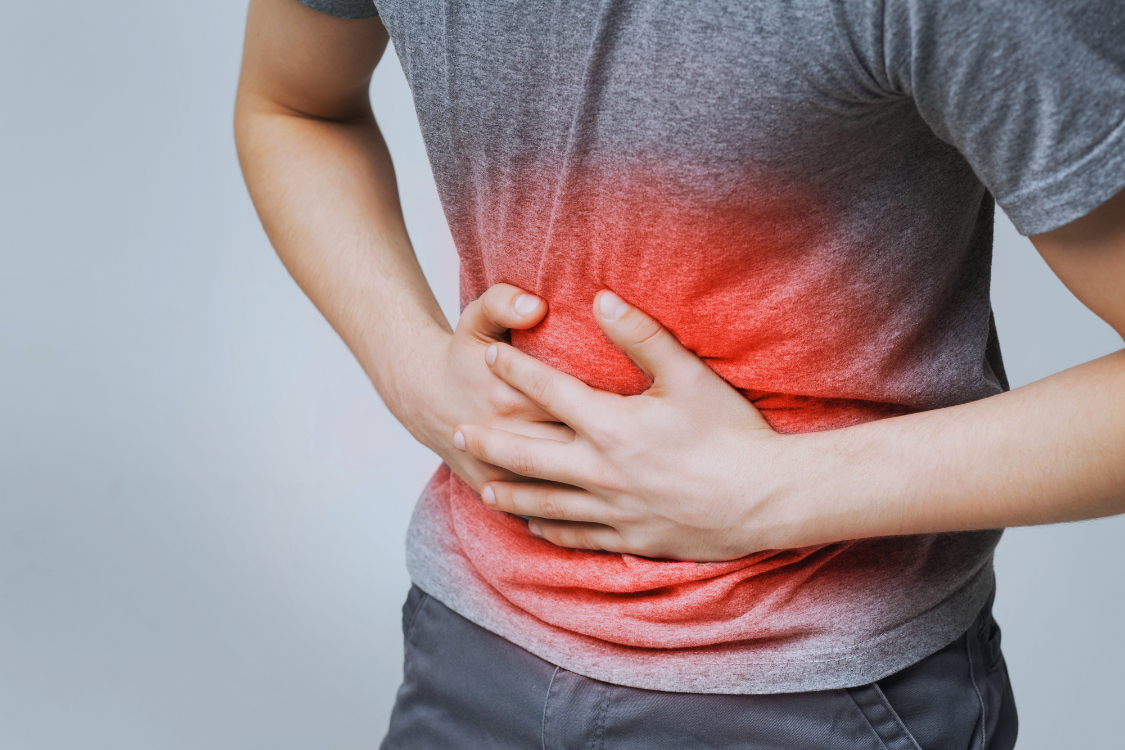
Best Evidence-Based Therapies for IBS in 2026
IBS is now understood as a disorder of gut-brain interaction, shifting treatment toward therapies that address both digestive symptoms and nervous system signaling. This article reviews the most evidence-based options in 2026, including low-FODMAP diets, fiber, behavioral therapies, and medications tailored to symptom subtype.

Irritable bowel syndrome (IBS) is common, real, and often frustrating to treat. Many people cycle through elimination diets, supplements, and medications for years without lasting relief, partly because IBS is not one problem with one fix.
The research has moved a long way. IBS is now understood as a disorder of gut-brain interaction, which has reshaped what counts as a genuinely evidence-based therapy. This guide walks through the treatments with the strongest research support in 2026, then looks at where to actually get them.
Key Takeaways
- IBS is a disorder of gut-brain interaction: symptoms come from altered signaling between the gut and brain, not structural damage, which is why both gut-focused and brain-focused therapies help.
- A dietitian-guided low-FODMAP diet and soluble (psyllium) fiber are among the most validated first-line options and carry ACG recommendations.
- Brain-gut behavioral therapies, gut-directed cognitive behavioral therapy and gut-directed hypnotherapy, rank among the highest-performing treatments in recent network meta-analyses, and their benefits can last after treatment ends.
- Prescription medications still have a role, matched to IBS subtype (IBS-D, IBS-C, or pain-predominant), while routine probiotics are not recommended for global symptoms.
- The right therapy depends on your subtype, triggers, and whether IBS travels with other conditions like chronic pain or anxiety, so a coordinated, personalized plan tends to work better than any single fix.
What IBS Actually Is, and Why "Gut-Brain" Changes the Answer
Under current Rome IV criteria, IBS is defined as disorder of gut-brain interaction: recurrent abdominal pain with changes in how often or how you go, without structural damage to the gut. The symptoms are driven by disrupted gut-brain signaling, not by something a scan or scope will usually reveal.
A core part of that signaling problem is visceral hypersensitivity, when sensitized gut nerves amplify normal digestive sensations into real pain and discomfort. This is why two people can have similar guts on paper and very different symptoms.
About 6% of US adults meet the current Rome IV criteria for IBS, with broader estimates running higher, closer to 10 to 12% by older criteria. It is more common in women and frequently travels with other conditions such as fibromyalgia, anxiety, and depression.
The practical takeaway: because IBS lives in the gut-brain connection, the therapies with the strongest evidence work on one or both ends of that connection. That framing organizes everything below.
Part 1: The Therapies With the Strongest Evidence
These are ordered to move from foundational, accessible options toward more targeted ones. Order does not mean rank. The right starting point depends on your subtype and symptoms, and several of these are often combined.
{{cta_2}}
1. A Dietitian-Guided Low-FODMAP Diet
FODMAPs are fermentable carbohydrates that can pull water into the gut and ferment, producing gas, bloating, and pain in sensitive people. A low-FODMAP diet is the most validated dietary therapy for IBS, and a short trial of it is recommended by the ACG to improve global symptoms.
The mistake people make is treating it as a permanent elimination diet. The evidence supports a structured, time-limited process: a few weeks of restriction, then systematic reintroduction to find your specific triggers, then a personalized long-term diet that is as broad as possible.
Who it tends to fit: people whose symptoms are clearly food-linked, especially bloating and pain. It is most reliable when guided by a registered dietitian, since long-term over-restriction can affect nutrition and gut microbiome diversity.
2. Soluble Fiber (Psyllium)
Fiber is not one thing, and the distinction matters for IBS. ACG recommends soluble fiber such as psyllium to treat global IBS symptoms, while insoluble fiber like wheat bran is not, and can sometimes make symptoms worse.
It is inexpensive, available without a prescription, and reasonable to try early, particularly for constipation-predominant IBS. Starting low and increasing slowly tends to reduce the temporary gas and bloating that can come with adding fiber.
Who it tends to fit: a simple first step for many people, especially IBS-C, often used alongside other approaches rather than on its own.
3. Gut-Directed Hypnotherapy
Gut-directed hypnotherapy uses guided relaxation and targeted suggestion to calm the over-reactive gut-brain signaling behind IBS. It sounds unusual to many people, and it has more evidence than they expect. A 2025 systematic review found it may improve IBS symptoms and abdominal pain compared with standard care.
In recent network meta-analyses of IBS treatments, gut-directed hypnotherapy is among the behavioral therapies shown to ease abdominal pain, with no single behavioral therapy proving clearly superior to another. It can also work through group and digital delivery, not only one-on-one with a therapist.
Who it tends to fit: people with persistent pain and bloating who have not responded to diet changes, and anyone who prefers a non-drug approach.
4. Gut-Directed Cognitive Behavioral Therapy (CBT)
Gut-directed CBT is not generic talk therapy. It targets the specific thoughts, behaviors, and stress responses that amplify gut symptoms, including the very understandable anxiety and hypervigilance that build up after years of unpredictable flares. These are the same CBT for chronic pain principles, adapted to the gut.
It is an ACG-recommended gut-directed psychotherapy and has one of the largest evidence bases of any behavioral therapy for IBS. Gut-directed CBT and hypnotherapy are also most effective long-term among psychological therapies, and internet-delivered CBT is effective too, which lowers the cost and access barrier that has long kept these therapies out of reach.
Who it tends to fit: people whose symptoms flare with stress, who feel trapped in a symptom-anxiety loop, or who want durable tools rather than ongoing medication.
{{cta_3}}
5. Peppermint Oil
Enteric-coated peppermint oil relaxes gut smooth muscle and is one of the better-studied over-the-counter options. It is recommended by the ACG, and a meta-analysis found it more effective than placebo for global symptoms and pain, with numbers needed to treat around 4 and 7 respectively.
Two honest caveats belong with that number. The quality of the underlying evidence is low, and because peppermint relaxes the lower esophageal sphincter it can worsen reflux, so it is generally avoided in people with significant GERD.
Who it tends to fit: people wanting a low-cost, short-term option for pain and bloating, without reflux as a major issue.
6. Prescription Medication Matched to Your IBS Subtype
When diet and behavioral approaches are not enough, prescription options matched to your subtype have ACG support. The point is matching, not a one-size-fits-all pill.
- IBS-D (diarrhea-predominant): rifaximin, a gut-targeted antibiotic, is ACG-recommended for IBS-D.
- IBS-C (constipation-predominant): secretagogues such as linaclotide, plecanatide, lubiprostone, and tenapanor are ACG-recommended for IBS-C.
- Pain-predominant: low-dose tricyclic antidepressants can help with abdominal pain by acting on gut-brain pain signaling, at doses well below those used for depression.
Who it tends to fit: people with a clear subtype and bothersome symptoms despite first-line measures. These require a prescribing clinician and a conversation about trade-offs.
What the Evidence Does Not Strongly Support Yet
Being clear about what does not work is part of being evidence-based. Routine probiotics are not recommended: the ACG advises against probiotics for global IBS symptoms, despite heavy marketing, because the trials are inconsistent and use many different strains.
Several other widely promoted fixes, including many supplements and broad food-intolerance test kits, lack the trial evidence to sit alongside the options above. They are not necessarily harmful, but they should not crowd out therapies that actually have data.
Part 2: Where to Get These Therapies
Knowing which therapies work is only half the problem. The brain-gut behavioral therapies have some of the most durable benefits in the research, yet they are also the hardest to access, since trained GI behavioral therapists and dietitians are in short supply. This is where digital and coach-led programs have changed the picture. Here is how the main options compare, and who each fits.
1. Lin Health (Top Pick for the Gut-Brain and Overlapping-Pain Dimension)
Lin Health is a coach-led, virtual program built around the brain-first science of chronic symptoms. Its approach is based on the same gut-brain and central-sensitization research that underlies brain-gut behavioral therapies for IBS, applying behavioral and lifestyle methods, including CBT- and ACT-informed techniques and somatic approaches, with a dedicated recovery coach rather than a self-guided app alone.
Lin Health includes IBS among the neuroplastic, brain-driven conditions it works with, alongside conditions like fibromyalgia and chronic pelvic pain. Its program is a brain-first behavioral one, so it sits in a different lane from gut-directed hypnotherapy, FODMAP coaching, or prescribing. It tends to fit one person especially well: someone whose IBS travels with chronic pain, fibromyalgia, or marked central sensitization, where the same nervous-system retraining can address the shared mechanism. IBS, fibromyalgia, and anxiety overlap often, so this describes a large group.
What stands out for that group:
- Coach-led, not just an app: a trained recovery coach guides the behavioral work, which can improve follow-through compared with self-guided tools.
- Whole-person: it targets central sensitization across conditions, rather than one symptom in isolation.
- Covered and accessible: Lin Health is covered by most major insurance plans, with short wait times, and has the strongest coverage in Colorado, Texas, Florida, California, and New York.
If you have tried diet changes and medications and your gut symptoms travel with chronic pain or a stress-symptom loop, a brain-first behavioral approach may be worth exploring. See if Lin fits, and most patients pay nothing out of pocket once insurance is verified.
2. Gut-Directed Hypnotherapy and CBT Apps
For IBS specifically, self-guided digital therapeutics have grown quickly. Nerva (Mindset Health) is a self-guided app offering gut-directed hypnotherapy for IBS. Mahana was the first prescription digital therapeutic for IBS, FDA-authorized in 2020, delivering gut-directed CBT; its CBT program has since been folded into Nerva.
Who they fit: people with IBS-predominant symptoms who want a lower-cost, self-paced way to access an evidence-based behavioral modality, and who are comfortable working on their own.
3. Virtual Multidisciplinary GI Clinics
For people who want medical, dietary, and behavioral care coordinated in one place, virtual GI clinics have emerged. Oshi Health is a virtual, in-network, multidisciplinary GI clinic; in its own prospective study, 92% saw symptom improvement in their GI symptoms.
Who it fits: people who want a GI provider, dietitian, and behavioral support working together, especially if diagnosis still needs confirming.
How to Choose
A reasonable path for most people: confirm the diagnosis with a clinician, try first-line diet and fiber changes with dietitian support, and add a brain-gut behavioral therapy early rather than as a last resort, since it has durable benefits. If your IBS overlaps with chronic pain or a strong stress-symptom cycle, a coach-led brain-first program may address the shared mechanism in a way a single-symptom app does not.
FAQ
What is the most effective therapy for IBS?
There is no single most effective therapy, because IBS varies by person and subtype. The options with the strongest evidence include a dietitian-guided low-FODMAP diet, soluble fiber, and brain-gut behavioral therapies such as gut-directed CBT and hypnotherapy, which rank among the most effective options in recent network meta-analyses. The strongest results usually come from matching therapy to your symptoms.
Can therapy or CBT really help IBS, or is it "all in my head"?
IBS is not imagined. It is a disorder of gut-brain interaction, meaning real symptoms arise from altered gut-brain signaling. Gut-directed CBT and hypnotherapy work on that signaling, not on willpower, and are guideline-recommended with evidence comparable to many medications. Benefits from CBT can also persist at 12-month follow-up.
Is the low-FODMAP diet meant to be permanent?
No. The evidence supports a structured, time-limited process: a few weeks of restriction, then reintroducing foods to identify your personal triggers, then a broadened long-term diet. Staying in strict restriction long-term is not recommended and can affect nutrition and gut bacteria. Working with a registered dietitian improves results.
Do probiotics help IBS?
For routine use, the evidence is weak. The ACG does not recommend probiotics for global IBS symptoms, because trials are inconsistent and use many different strains. Some individuals may notice benefit, but probiotics should not replace therapies with stronger evidence. Talk with your clinician before spending on long-term supplements.
Does insurance cover IBS therapy programs?
Coverage varies. Some virtual programs are in-network with major insurers, and coach-led programs like Lin Health are covered by most major plans with short wait times, strongest in Colorado, Texas, Florida, California, and New York. Verify your specific plan and out-of-pocket cost before starting.
How long does it take to see results?
It depends on the therapy. Fiber and peppermint oil may show effects within weeks, a low-FODMAP trial is usually assessed over a few weeks, and behavioral therapies often build over a course of sessions. Brain-gut behavioral therapies are notable because their benefits tend to last after treatment ends.
The Bottom Line
The strongest evidence for IBS in 2026 points to a small set of therapies: structured low-FODMAP eating, soluble fiber, brain-gut behavioral therapies, peppermint oil, and subtype-matched medications. Because IBS lives in the gut-brain connection, the most durable gains often come from addressing that connection, not just chasing symptoms.
If your IBS overlaps with chronic pain or a persistent stress-symptom cycle, a coach-led, brain-first approach may help retrain the nervous system behind both. See whether Lin fits, with most plans covered and short wait times.
This article is for informational purposes and is not medical advice. IBS shares symptoms with conditions that need to be ruled out, so consult a qualified healthcare provider before starting, stopping, or changing any treatment.



.png)
.png)