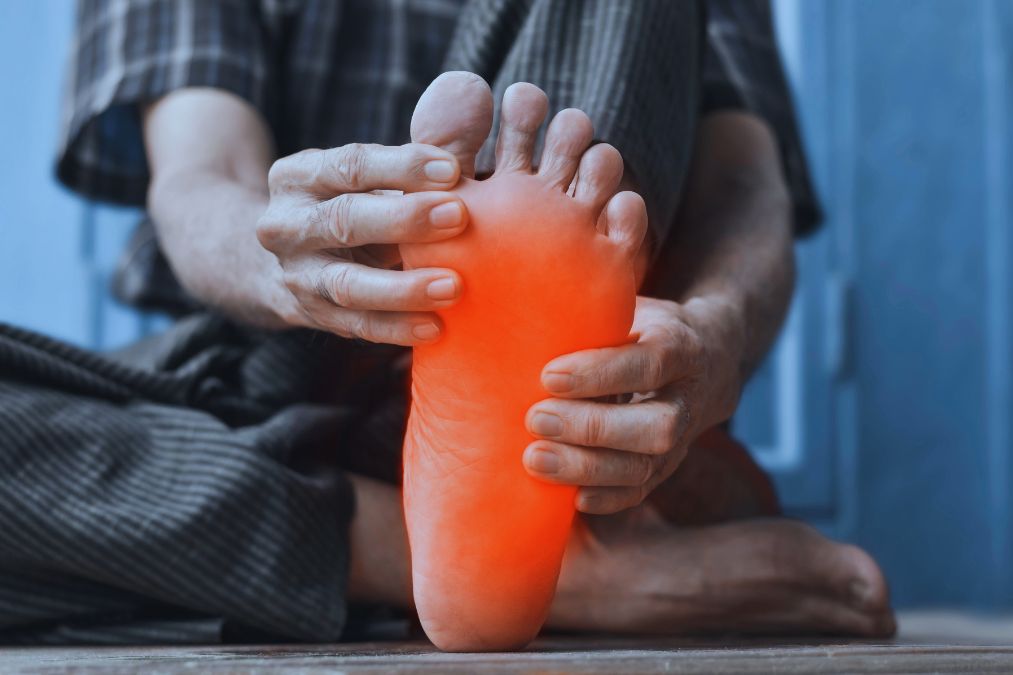
7 Best Mind-Body Treatments for Peripheral Neuropathy in 2026
Peripheral neuropathy affects millions and often requires more than medication alone. Explore seven evidence-based mind-body approaches that target pain processing, emotional responses, movement challenges, and daily function through different therapeutic strategies. Learn how these methods may support patients seeking additional tools for managing persistent symptoms.

Peripheral neuropathy affects more than 20 million Americans, causing numbness, tingling, burning, and shooting pain, most commonly in the hands and feet. It has many causes: diabetes accounts for the largest share, followed by chemotherapy, autoimmune conditions, and idiopathic cases where no cause is found.
Standard treatments include gabapentin, pregabalin, duloxetine, and topical agents. These medications help, but fewer than half of patients achieve adequate pain relief, and side effects like drowsiness, dizziness, and weight gain limit long-term use. That gap has pushed clinicians and patients toward mind-body approaches that target how the brain processes neuropathic pain, not just the nerve damage itself.
The American Academy of Neurology's 2022 guideline for painful diabetic polyneuropathy now recommends non-drug approaches including CBT, mindfulness, and tai chi alongside medication. This listicle covers seven mind-body treatments with clinical evidence for peripheral neuropathy, starting with the most comprehensive option available today.
Key Takeaways
- Peripheral neuropathy affects over 20 million Americans, and first-line medications provide adequate relief for fewer than half of those treated.
- The AAN's 2022 guideline recommends CBT, mindfulness, and tai chi as non-pharmacological options for painful diabetic polyneuropathy.
- Central sensitization can amplify neuropathic pain beyond the original nerve damage, making brain-directed approaches a relevant treatment layer.
- Lin Health's program is based on neuroplastic pain research and integrates multiple mind-body modalities into one coached, insurance-covered platform.
- Mind-body treatments work alongside medical care for peripheral neuropathy, not in place of it. Talk with a clinician before making any changes to your treatment plan.
1. Lin Health's Brain-Based Recovery Program
Lin Health offers a coached, insurance-covered program that addresses the nervous system's role in maintaining and amplifying chronic pain, including the central sensitization that commonly develops in peripheral neuropathy.
How It Works
When nerve damage persists, the brain can develop learned pain patterns that amplify symptoms beyond what the original injury explains. Pain signals that started in damaged nerves get reinforced by fear, avoidance, catastrophic thinking, and emotional distress, creating a cycle that sustains heightened pain signaling.
Lin Health's approach is based on findings from neuroplastic pain and central sensitization research. The program combines multiple evidence-based modalities, including CBT, Acceptance and Commitment Therapy (ACT), somatic tracking, and Emotional Awareness and Expression Therapy (EAET). A dedicated recovery coach guides patients through weekly live sessions, between-session chat support, and a structured app with learning and practice modules.
Why It Ranks First
Unlike pursuing CBT or mindfulness individually through separate providers, Lin Health integrates several mind-body approaches into one coordinated program. Key differentiators:
- Coach-led: A dedicated recovery coach provides personalized guidance, unlike self-paced apps
- Insurance-covered: Covered by most major insurers in Colorado, Texas, Florida, California, and New York, with patients typically paying zero out of pocket
- Short wait times: Most patients receive a same-day callback after signing up
- Specialized in persistent pain: Recovery coaches are trained specifically in chronic pain and persistent symptom conditions, not general mental health
Who It May Help
Adults with peripheral neuropathy whose pain has persisted despite standard medical treatment, or whose symptoms include features of central sensitization: pain that spreads beyond the area of nerve damage, heightened sensitivity to light touch, or pain intensity that fluctuates with stress and emotional state. Lin Health's program is designed to complement ongoing medical care, not replace it.
2. Cognitive Behavioral Therapy (CBT)
CBT is the most widely studied psychological therapy for chronic pain and has specific evidence for both diabetic and chemotherapy-induced peripheral neuropathy (CIPN).
How It Works
CBT for neuropathic pain targets the thoughts, emotions, and behaviors that amplify the pain experience. A therapist helps patients identify catastrophic thinking patterns ("this nerve damage will only get worse"), fear-avoidance beliefs that limit activity, and emotional responses that reinforce the pain cycle. Practical techniques include cognitive restructuring, pacing, relaxation training, and graduated activity.
What the Evidence Shows
An evidence mapping of 34 systematic reviews found moderate support for CBT in managing neuropathic pain, though study quality varied across the literature. For diabetic neuropathy specifically, a systematic review and meta-analysis found that CBT improves pain and mood in adults with painful diabetic neuropathy, with measurable reductions in depression.
The AAN's 2022 guideline for painful diabetic polyneuropathy recommends CBT as a non-pharmacological treatment option.
Who It May Help
Adults with peripheral neuropathy who experience significant anxiety, depression, or catastrophic thinking about their symptoms. CBT has the strongest neuropathy-specific evidence for diabetic and chemotherapy-induced cases. It is widely available through pain psychologists and can be delivered via telehealth.
3. Mindfulness-Based Stress Reduction (MBSR)
MBSR is an 8-week structured program that teaches mindfulness meditation, body scanning, and gentle movement to change how the brain relates to pain sensations.
How It Works
Rather than trying to eliminate neuropathic pain, MBSR trains patients to observe pain sensations without judgment or emotional reactivity. Over eight weeks, participants learn body-scan meditation, sitting meditation, and mindful movement. The goal is reducing the suffering layered on top of the physical sensation, which can lower both pain intensity and pain catastrophizing.
What the Evidence Shows
An RCT in 62 adults with painful diabetic neuropathy found that MBSR improved function and coping compared to usual care, with reduced pain catastrophizing. A separate RCT in 144 breast cancer survivors with chronic neuropathic pain found that MBSR reduced pain and distress compared to a waitlist control.
The AAN's 2022 guideline recommends mindfulness for painful diabetic polyneuropathy.
Who It May Help
Adults with peripheral neuropathy who want a structured, group-based meditation program with clinician support. MBSR is particularly well-studied in diabetic neuropathy and cancer-related neuropathic pain. The 8-week format provides accountability, though the time commitment of roughly 2.5 hours per week plus home practice may not suit everyone.
4. Acceptance and Commitment Therapy (ACT)
ACT helps patients build a meaningful life alongside pain rather than waiting for pain to resolve before living fully.
How It Works
ACT uses six core processes: acceptance of difficult experiences, cognitive defusion (stepping back from unhelpful thoughts), present-moment awareness, self-as-context, values clarification, and committed action. For neuropathy patients, this translates to identifying what matters most, whether that is playing with grandchildren, walking in the garden, or returning to a hobby, and building toward those activities even while experiencing symptoms.
The approach is grounded in the observation that resisting pain amplifies it, while accepting its presence without resignation can reduce the emotional amplification that drives pain sensitization.
What the Evidence Shows
A 2024 systematic review and meta-analysis of 21 RCTs found that ACT reduces pain and depression with medium effect sizes, plus small but meaningful reductions in pain intensity and anxiety across chronic pain populations. An overview of 9 systematic reviews confirmed that ACT improves psychological flexibility and reduces catastrophizing in adults with chronic pain.
No RCT has studied ACT exclusively in peripheral neuropathy. A protocol for the "Embrace Pain" trial is currently testing ACT specifically for CIPN, with results expected in coming years.
Who It May Help
Adults with peripheral neuropathy who have tried to control or eliminate their pain and found that approach exhausting or ineffective. ACT may be particularly suited for patients whose neuropathy is unlikely to fully resolve and who want to rebuild function and daily engagement despite ongoing symptoms.
5. Acupuncture
Acupuncture involves inserting thin needles at specific body points to modulate pain signaling and reduce neuroinflammation.
How It Works
Acupuncture is thought to activate the body's descending pain-inhibition pathways, stimulate nerve repair signaling, and reduce local and systemic inflammation. For peripheral neuropathy, practitioners typically target points along affected nerve pathways and in areas with reduced sensation. Some evidence suggests acupuncture may promote nerve fiber regeneration in diabetic neuropathy.
What the Evidence Shows
Acupuncture has one of the larger evidence bases among mind-body treatments for neuropathy, particularly for CIPN. A 2025 meta-analysis of 10 RCTs in breast cancer patients found that acupuncture improved CIPN outcomes for symptoms and quality of life. A 2024 network meta-analysis comparing multiple interventions across 21 studies with 2,121 patients found acupuncture outperformed standard treatments for CIPN symptom management.
Who It May Help
Adults with chemotherapy-induced peripheral neuropathy have the strongest evidence base. Acupuncture may also help diabetic neuropathy, though the evidence is less established. Sessions typically require 10 to 12 treatments over several weeks, and insurance coverage varies by plan and state.
6. Yoga and Tai Chi
Both yoga and tai chi combine gentle movement, breathwork, and mental focus. For peripheral neuropathy, they address both the pain experience and the functional consequences of nerve damage, particularly balance impairment and fall risk.
How It Works
Peripheral neuropathy often reduces sensation in the feet, disrupting proprioception (the body's sense of position in space) and increasing fall risk. Tai chi and yoga train proprioception through slow, controlled movements that challenge balance in a safe, supported context. The mindfulness component of both practices also helps modulate pain perception by shifting attention from threat to body awareness.
What the Evidence Shows
A 2024 scoping review of 11 studies with 508 participants found that tai chi improves balance and gait in adults with peripheral neuropathy, along with improved plantar sensitivity. A 2023 systematic review found that yoga reduces neuropathic pain and improves quality of life in patients with neuropathy from diabetes, MS, and trigeminal neuralgia.
The AAN's 2022 guideline recommends tai chi for painful diabetic polyneuropathy.
Who It May Help
Adults with peripheral neuropathy who experience balance problems, reduced mobility, or fear of falling. Both practices are adaptable to different fitness levels, and modified chair-based versions exist for people with significant mobility limitations. Tai chi has stronger neuropathy-specific evidence for balance outcomes; yoga has more support for pain reduction.
7. Biofeedback and Neurofeedback
Biofeedback uses real-time physiological data to teach patients voluntary control over processes that influence pain perception.
How It Works
During a biofeedback session, sensors measure physiological responses such as heart rate variability, muscle tension, skin temperature, or brain wave patterns. Patients learn to modify these responses through visual or auditory feedback. For neuropathic pain, EEG neurofeedback targets brain wave patterns associated with chronic pain processing, training the brain toward patterns associated with reduced pain perception and improved emotional regulation.
What the Evidence Shows
Evidence for biofeedback in peripheral neuropathy is still emerging. A 2024 narrative review found that neurofeedback shows promise for pain, with preliminary data suggesting improvements in pain intensity and pain-related disability. Pilot data from the Foundation for Peripheral Neuropathy reported that 73% of CIPN patients saw improvement with neurofeedback, though this has not been replicated in a large randomized trial.
Who It May Help
Adults with peripheral neuropathy interested in a technology-assisted approach who have access to a trained practitioner. Biofeedback requires specialized equipment and provider expertise, which may limit availability in some areas. Insurance coverage is inconsistent across plans and states.
How Lin Health Helps with Peripheral Neuropathy Pain
Peripheral neuropathy starts with nerve damage, but the pain experience is shaped by the brain. When neuropathic pain persists, the central nervous system can become sensitized, amplifying pain signals beyond what the original nerve injury explains. Fear of movement, catastrophic thoughts about nerve damage, and emotional distress reinforce this cycle, keeping the nervous system in a heightened pain state.
Lin Health's program is based on findings from neuroplastic pain research and targets this brain-driven component. Working with a dedicated recovery coach, patients learn to:
- Identify and interrupt the fear-avoidance cycle that intensifies neuropathic symptoms
- Reframe catastrophic thoughts about nerve damage and long-term prognosis
- Use somatic tracking to change the brain's relationship with pain signals
- Build emotional awareness around pain triggers and stress responses
- Apply behavioral pain techniques including CBT and ACT in daily life
The program combines weekly live coaching sessions, between-session chat support, and a structured app with pain neuroscience education and practice modules. Lin Health partners with health systems including Mayo Clinic and works with a network of referring neurologists and pain specialists.
Mind-body approaches work alongside medical treatment for peripheral neuropathy, not in place of it. If you are taking gabapentin, duloxetine, or other medications for neuropathy, Lin Health's program is designed to complement that plan.
Lin Health offers behavioral and lifestyle support for chronic neuropathic pain, delivered by trained recovery coaches and covered by most insurance plans in CO, TX, FL, CA, and NY. Wait times are short, with most patients receiving a same-day callback. Check your eligibility.
FAQ
Can peripheral neuropathy be treated with mind-body approaches?
Mind-body treatments can help manage peripheral neuropathy pain and improve quality of life. The AAN's 2022 guideline recommends non-drug options including CBT, mindfulness, and tai chi for painful diabetic polyneuropathy alongside medical care. These approaches target how the brain processes and amplifies neuropathic pain signals.
What is the most effective non-drug treatment for peripheral neuropathy?
Evidence varies by neuropathy type. For chemotherapy-induced neuropathy, acupuncture has the strongest meta-analysis support. For diabetic neuropathy, CBT and mindfulness-based programs have the strongest RCT support. Integrated programs that combine multiple modalities may offer broader benefit.
Does CBT help with nerve pain?
An evidence mapping of 34 systematic reviews found moderate support for CBT in managing neuropathic pain. CBT is particularly effective for the anxiety, depression, and catastrophizing that accompany persistent neuropathic conditions.
Is peripheral neuropathy pain linked to central sensitization?
When neuropathic pain persists, the central nervous system can become sensitized, amplifying pain signals beyond what nerve damage alone explains. This means brain-directed treatments can help reduce neuropathy pain even when the underlying nerve injury has stabilized.
Are mind-body treatments for neuropathy covered by insurance?
Coverage varies by treatment and plan. Lin Health's program is covered by most major insurers in several states, with patients typically paying zero out of pocket. Individual CBT may be covered under mental health benefits. Acupuncture and biofeedback coverage varies widely by insurer and state.
Can tai chi help with neuropathy balance problems?
A 2024 review found tai chi improves balance and gait in adults with peripheral neuropathy, along with improved foot sensitivity. The AAN also recommends tai chi for painful diabetic polyneuropathy. Chair-based modifications are available for people with significant balance limitations.
Should I stop my neuropathy medication if I start mind-body treatment?
No. Mind-body treatments are designed to work alongside your current medical plan. Talk with your neurologist or prescribing physician before making any changes to medication. Behavioral approaches may help reduce reliance on medication over time, but this should always happen under clinical supervision.
This article is for informational purposes and is not a substitute for professional medical advice, diagnosis, or treatment. Consult a qualified healthcare provider before making changes to your peripheral neuropathy treatment plan.
.png)



.png)
.png)