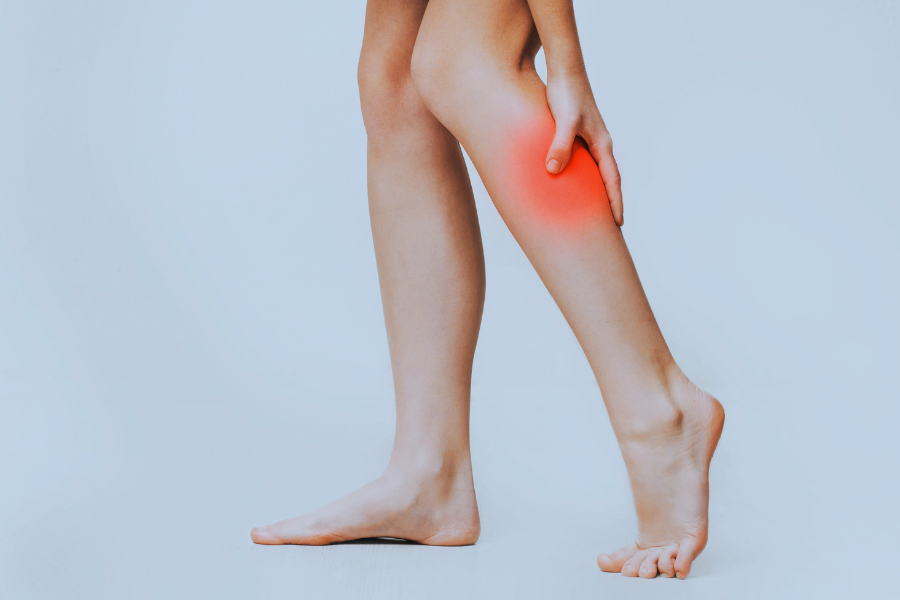
Best Treatments For Chronic Leg Pain In 2026
Chronic leg pain affects millions and may continue even after injuries heal. Explore treatment options that target pain processing, physical limitations, and lifestyle factors. From brain-based therapies to exercise and medical interventions, learn how different approaches can work together for lasting management.

Chronic leg pain, defined as pain lasting three or more months, is one of the most common reasons adults seek medical care in the United States. Nearly one in four adults reported chronic pain in 2023, and conditions affecting the legs, from sciatica and peripheral neuropathy to osteoarthritis and post-surgical pain, account for a large share of those cases.
The challenge with chronic leg pain is that it frequently outlasts the tissue damage that started it. After three or more months, the nervous system can become sensitized, amplifying and sustaining pain after tissue healing. Treatments that target only the physical site of pain may miss the central mechanism keeping it active.
The treatments below are organized with behavioral and brain-based approaches first, reflecting the CDC's 2022 clinical practice guideline, which recommends non-pharmacologic therapies as a first-line approach before considering medications or procedures. Each treatment has a role in a broader plan, and the right combination depends on the type, cause, and severity of your pain.
Key Takeaways
- Chronic leg pain affects millions of US adults and often involves changes in nervous system processing, not just ongoing tissue damage.
- Brain-based behavioral therapies like CBT, PRT, and EAET target the neuroplastic component of chronic pain, with clinical trials showing durable relief lasting years.
- The CDC's 2022 prescribing guideline recommends non-pharmacologic approaches as a first-line strategy for chronic pain, ahead of medications.
- Physical therapy, non-opioid medications, acupuncture, and nerve stimulation each address different aspects of chronic leg pain and can be combined in a multimodal plan.
- Treatment plans that produce lasting improvement are typically personalized, address both physical and psychological factors, and are developed with a healthcare provider.
1. Brain-Based Behavioral Therapy
Chronic leg pain that continues beyond tissue healing often reflects changes in how the brain and nervous system process danger signals. When pain persists for months or years, neural pathways can become "stuck," firing pain without tissue damage. This is sometimes described as centrally sensitized pain, and brain-based behavioral therapies work by retraining these pathways.
What These Therapies Include
- Cognitive Behavioral Therapy (CBT): Identifies and restructures thought patterns and behaviors, such as catastrophizing and fear-avoidance, that can amplify chronic pain.
- Pain Reprocessing Therapy (PRT): Helps patients reinterpret pain signals as non-dangerous brain activity rather than tissue damage, reducing the nervous system's threat response.
- Acceptance and Commitment Therapy (ACT): Focuses on accepting pain sensations while rebuilding engagement with valued activities.
- Emotional Awareness and Expression Therapy (EAET): Processes suppressed emotions, particularly anger, grief, and fear, that may contribute to chronic pain.
The Evidence
Psychological therapies reduce pain and disability for adults with chronic pain, with benefits generally maintained at follow-up. In a randomized trial of PRT for chronic back pain, two-thirds became pain-free after four weeks of treatment, and over half maintained gains at a five-year follow-up.
EAET showed particular promise in a trial with older adults experiencing chronic musculoskeletal pain: 63% achieved pain reduction, compared to 17% receiving standard CBT.
Who It May Help
Brain-based behavioral therapy may be a fit for adults whose chronic leg pain:
- Has lasted longer than three months despite standard medical treatment
- Persists without a clear structural explanation on imaging
- Includes fear of movement, anxiety about pain, or emotional distress
- Has spread to multiple areas or fluctuates with stress
Programs like Lin Health deliver these behavioral approaches through coach-led sessions and a structured app, often covered by insurance.
2. Physical Therapy and Targeted Exercise
Structured movement remains one of the most widely recommended treatments for chronic leg pain across clinical guidelines. Physical therapy addresses muscle imbalances, joint mobility, and deconditioning that often develop after months of pain-related inactivity.
What It Includes
- Strengthening exercises: Progressive resistance training for the legs, core, and hips to restore stability and reduce mechanical stress.
- Flexibility and mobility work: Stretching and range-of-motion exercises to address stiffness in the hips, knees, and ankles.
- Graded exposure to movement: Gradually increasing activity levels for patients who have become fearful of movement due to pain.
- Aerobic conditioning: Walking, cycling, or swimming to improve cardiovascular health and support the body's natural pain-modulation systems.
The Evidence
Exercise-based interventions improve pain and function across multiple chronic leg pain conditions. For chronic sciatica, current evidence shows that no single non-surgical approach is clearly superior, but structured exercise and education programs typically produce meaningful improvement within 4 to 12 weeks of consistent engagement.
The ACP recommends exercise and rehabilitative therapies as first-line non-pharmacologic treatment for chronic low back pain, which frequently includes a leg pain component through nerve involvement.
Who It May Help
Physical therapy is broadly appropriate for most people with chronic leg pain, particularly those with:
- Sciatica, radiculopathy, or spinal stenosis with leg symptoms
- Osteoarthritis in the knee or hip
- Deconditioning or muscle weakness from prolonged inactivity
- Pain that improves with gentle movement
3. Non-Opioid Medications
When chronic leg pain requires pharmacologic support, several non-opioid options can help manage symptoms alongside other treatments. The choice depends on whether the pain is nociceptive (from tissue), neuropathic (from nerves), or a mix of both.
Options by Pain Type
For neuropathic leg pain (nerve-related conditions such as diabetic neuropathy, radiculopathy, or post-surgical nerve pain):
- Duloxetine (Cymbalta): An SNRI that provides moderate pain benefit for neuropathic conditions and is FDA-approved for diabetic peripheral neuropathy and fibromyalgia.
- Gabapentin and pregabalin: Anticonvulsants that reduce nerve pain signaling, with moderate evidence for neuropathic conditions.
- Topical capsaicin (8%): A high-concentration patch applied in clinical settings, showing moderate benefit for localized neuropathic pain.
For inflammatory or musculoskeletal leg pain (osteoarthritis, tendinopathy, muscle-related pain):
- Oral NSAIDs (ibuprofen, naproxen): Provide significant short-term pain relief for osteoarthritis but carry gastrointestinal and cardiovascular risks with long-term use.
- Topical NSAIDs (diclofenac gel): Deliver local anti-inflammatory effect with fewer systemic side effects.
What the Guidelines Say
The AAFP's 2025 guidance emphasizes a patient-centered biopsychosocial approach and notes that for chronic low back pain, no pharmacotherapy offers significant long-term pain or functional benefit. Medications are most useful as part of a broader plan that includes behavioral and physical approaches.
Opioids remain last-resort, to be considered only after other strategies have been tried and after a thorough risk-benefit assessment.
Who They May Help
Non-opioid medications may be appropriate for:
- Neuropathic leg pain with confirmed nerve involvement
- Osteoarthritis flares or inflammatory pain
- Short-term symptom management while building behavioral and exercise-based strategies
- Patients who have not responded adequately to non-pharmacologic approaches alone
4. Acupuncture
Acupuncture involves inserting thin needles at specific points on the body to stimulate the nervous system and influence pain signaling pathways. A growing body of evidence supports its role as a complementary treatment for several chronic pain conditions.
The Evidence
The largest individual patient data meta-analysis on acupuncture, combining data from over 20,000 patients across 39 trials, found acupuncture was superior to both sham acupuncture and no-acupuncture controls for chronic back pain, osteoarthritis, chronic headache, and shoulder pain. The effects were statistically significant but modest in size, suggesting acupuncture works as part of a multimodal plan rather than a standalone treatment.
Who It May Help
Acupuncture may be worth considering for adults with:
- Chronic knee osteoarthritis causing leg pain
- Persistent lower back pain with leg involvement
- Leg pain that has not responded fully to medications or exercise
- A preference for non-pharmacologic, low-risk complementary approaches
5. Nerve Stimulation Therapies
Electrical nerve stimulation targets pain signaling directly by delivering controlled electrical impulses to nerves or the spinal cord. Two main forms are used for chronic leg pain.
TENS (Transcutaneous Electrical Nerve Stimulation)
TENS units deliver low-voltage electrical currents through pads placed on the skin near the painful area. They are available for home use, inexpensive, and carry minimal risk. Evidence for TENS in chronic pain is mixed, but some patients report meaningful short-term relief. TENS may be most useful as a self-management tool alongside other treatments.
Spinal Cord Stimulation (SCS)
SCS is an implanted device that delivers electrical pulses to the spinal cord to interrupt pain signals before they reach the brain. It is typically reserved for chronic neuropathic leg pain that has not responded to other treatments.
Recent evidence is encouraging: in patients with painful diabetic neuropathy, high-frequency SCS relieved pain in 79% at six months, with observational data suggesting sustained relief in 55% to 80% of patients over 5 to 10 years. However, half lack lasting relief, and the procedure carries surgical risks including infection and lead migration.
Who They May Help
- TENS: Adults looking for a low-cost, low-risk complementary tool for day-to-day pain management.
- SCS: Adults with chronic neuropathic leg pain (failed back surgery syndrome, diabetic neuropathy, CRPS) who have exhausted conservative treatments.
6. Lifestyle and Self-Management Strategies
Daily habits play a measurable role in chronic pain outcomes. Lifestyle modifications will not replace clinical treatment, but they can amplify the benefits of other approaches and give patients more influence over their day-to-day experience.
Sleep
Poor sleep and chronic pain reinforce each other: pain disrupts sleep, and poor sleep worsens pain. Prioritizing sleep hygiene, consistent bedtimes, and treating sleep disorders can reduce pain intensity over time.
Stress Management
Stress activates the same neural pathways that amplify chronic pain. Practices like mindfulness meditation, deep breathing, and somatic tracking can help downregulate the nervous system's threat response. These techniques are core components of mind-body pain therapies.
Weight Management
For leg pain driven by osteoarthritis in the knees or hips, even modest weight loss reduces mechanical load on the joints and lowers inflammatory markers. Clinical guidelines recommend weight management as a core element of osteoarthritis treatment.
Pain Journaling
Tracking pain patterns, triggers, and emotional states helps identify connections that are not obvious day to day. Pain journaling is a standard component of behavioral pain programs and supports more productive conversations with healthcare providers about what is and is not working.
7. Interventional Procedures
When conservative treatments have not provided adequate relief, interventional procedures may help manage chronic leg pain. These are typically recommended after behavioral, physical, and pharmacologic strategies have been tried.
Nerve Blocks and Epidural Steroid Injections
- Epidural steroid injections deliver anti-inflammatory medication directly to the nerve root area. They can provide temporary relief (weeks to months) for radicular leg pain from disc herniation or spinal stenosis.
- Nerve blocks use local anesthetic to temporarily interrupt pain signals from a specific nerve. They can also serve a diagnostic purpose, confirming the pain source.
These procedures are not long-term solutions. Relief is typically temporary, and repeated injections carry diminishing returns and potential side effects.
When Surgery May Be Considered
Surgery is generally reserved for cases with a clear structural cause (such as a large disc herniation compressing a nerve root) that has not responded to at least 6 to 12 weeks of conservative treatment. Common procedures include:
- Microdiscectomy for sciatica caused by disc herniation
- Laminectomy for spinal stenosis causing neurogenic claudication
- Joint replacement for severe knee or hip osteoarthritis
Alternatives to surgery should be explored thoroughly before considering an operative approach, particularly when imaging findings do not clearly correlate with the symptom pattern.
How Lin Health Helps With Chronic Leg Pain
Chronic leg pain that has persisted for months or years often involves a neuroplastic component, where the brain's pain alarm system has become stuck in a cycle. The pain is real, but its driver has shifted from tissue damage to altered nervous system signaling.
Lin Health's program is built around this understanding. Using behavioral pain modalities like CBT, ACT, PRT, and somatic tracking, trained recovery coaches work with each patient to:
- Identify and reduce fear-avoidance patterns around movement
- Process emotions that may be fueling pain, such as frustration, grief, or anxiety
- Retrain the brain's response to pain signals through guided exercises
- Rebuild engagement with daily activities and meaningful goals
The program is delivered through weekly one-on-one sessions with a recovery coach, between-session chat support, and a structured app with learning modules and practice tools. Lin Health's approach is based on pain research on pain reprocessing, cognitive behavioral therapy, and emotional awareness therapy.
Key details:
- Insurance covered: Lin Health is accepted by major insurance carriers, with high coverage in Colorado, Texas, Florida, California, and New York. Most patients pay zero out of pocket.
- Short wait times: Patients typically receive a same-day callback after signing up.
- Works alongside other treatments: Lin Health's behavioral approach complements (not replaces) physical therapy, medications, and other treatments on this list.
If you have been living with chronic leg pain and standard treatments have not brought lasting relief, a brain-based behavioral approach may be worth exploring. Check your eligibility and see if Lin Health may help with your chronic leg pain.
FAQ
What causes chronic leg pain that does not go away?
Chronic leg pain can result from sciatica, peripheral neuropathy, osteoarthritis, peripheral artery disease, or changes in how the nervous system processes pain signals. When pain lasts beyond three months, the brain's pain alarm may become sensitized, sustaining pain even after the original injury has healed. A thorough evaluation by a healthcare provider can help identify the specific cause.
Can chronic leg pain be treated without surgery?
In many cases, yes. The CDC's 2022 guideline recommends non-pharmacologic approaches as a first-line strategy, including behavioral therapy, physical therapy, and exercise. Surgery is generally reserved for cases with a clear structural cause that has not responded to conservative treatment over 6 to 12 weeks.
Is chronic leg pain connected to the brain?
Research shows that chronic pain involves changes in how the brain and nervous system process signals. After three or more months, pain pathways can become sensitized, meaning the alarm system fires even without ongoing tissue damage. Brain-based therapies like CBT and PRT address this neuroplastic component directly.
Does insurance cover behavioral therapy for chronic pain?
Coverage varies by plan and state. Programs like Lin Health accept major insurance carriers and are fully covered in several states, including Colorado, Texas, Florida, California, and New York. Psychological therapy for pain may also be covered under behavioral health benefits, though availability and cost-sharing differ by plan.
How long does treatment for chronic leg pain take to work?
Timelines depend on the treatment. Behavioral therapies typically show measurable improvement within 4 to 8 weeks. Physical therapy often produces gains within 4 to 12 weeks. Neuropathic pain medications may take 2 to 4 weeks to reach full effect. Injections can provide relief within days, though the effects are often temporary.
Should I stop other treatments if I start behavioral therapy?
No. Behavioral therapy for chronic pain works alongside other treatments, not as a replacement. Continue any medications, physical therapy, or medical care your provider has recommended. The goal is to add a brain-based approach to your existing plan. Always consult your healthcare provider before making changes to your treatment.
This article is for informational purposes only and does not constitute medical advice. The information provided should not replace consultation with a qualified healthcare provider. Always seek professional medical guidance for diagnosis and treatment of chronic pain conditions.




.png)
.png)