8 Best Treatments for Thoracic Back Pain in 2026
Thoracic back pain can be challenging to treat when symptoms persist. This guide explores eight evidence-based options, including behavioral therapy, physical therapy, movement practices, medications, ergonomic changes, and procedures to help people understand available care approaches today with clearer treatment decisions.

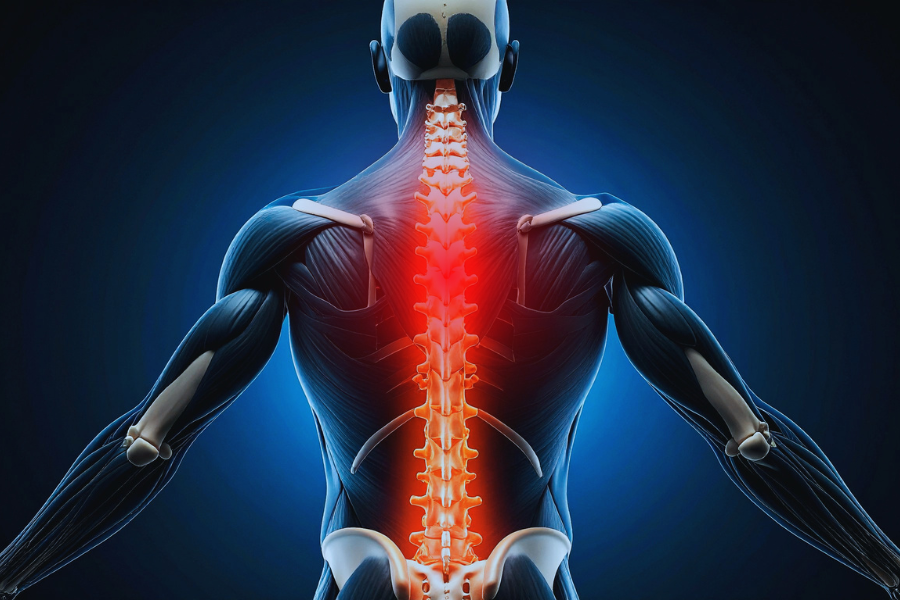
Thoracic back pain, felt in the middle and upper back between the base of the neck and the bottom of the rib cage, affects a significant share of adults at some point in their lives. While research has historically centered on low back pain, thoracic spine pain is widely prevalent, with reported rates varying from under 5% to over 35% depending on the population and how pain is defined. Desk-based work, prolonged sitting, and device use have made it increasingly common.
For people living with persistent thoracic pain, the treatment landscape can feel unclear. The thoracic spine is structurally different from the lumbar region, more rigid due to its rib attachments, and many standard back pain guides skip over it entirely. This article covers eight evidence-based treatments, from behavioral and physical therapies to medications and procedural options, with the research behind each one.
Key Takeaways
- Thoracic back pain is common in working-age adults, especially those with desk-based jobs, and often persists when treatments target only the structural spine.
- Behavioral pain retraining achieved near-complete pain relief in 66% of chronic back pain trial participants, with effects persisting at five years.
- The American College of Physicians recommends nonpharmacologic therapies like exercise, CBT, yoga, and acupuncture as first-line chronic pain treatment.
- Anti-inflammatory medications provide short-term relief but carry cumulative side effects and do not address the underlying drivers of persistent thoracic pain.
- A coordinated plan combining physical, behavioral, and lifestyle strategies tends to produce the most sustained improvement for chronic thoracic pain.
1. Behavioral Pain Retraining (Brain-Based Therapy)
When thoracic pain persists for months despite normal imaging, the problem may have shifted from tissue damage to the nervous system itself. This concept, known as nociplastic pain, describes pain that continues due to changes in how the brain and spinal cord process signals, not because of ongoing injury. For adults with chronic thoracic pain and no clear structural cause, therapies that retrain these altered pain pathways offer some of the strongest evidence available.
How It Works
Brain-based pain retraining helps the nervous system recalibrate its danger signals. When pain persists for months or years after tissues have healed, the brain's pain alarm can become stuck, firing without an ongoing physical trigger. Programs using this approach teach patients to recognize and reprocess these misfiring signals through techniques including:
- Pain reprocessing therapy (PRT) - reframes the brain's interpretation of danger signals
- Cognitive behavioral therapy (CBT) - restructures thought and behavior patterns that amplify pain
- Acceptance and commitment therapy (ACT) - builds psychological flexibility around pain experiences
- Emotional awareness and expression therapy (EAET) - addresses unresolved emotional factors that sustain chronic symptoms
What the Evidence Shows
Pain reprocessing therapy achieved near-complete pain relief in 66% of 151 adults with chronic back pain in a randomized trial, compared to 20% with placebo and 10% with usual care. A five-year follow-up confirmed lasting gains, with 55% of the PRT group remaining pain-free or nearly so at five years.
EAET outperformed CBT for pain reduction in a trial of 126 older veterans with chronic musculoskeletal pain. About 35% of EAET participants experienced a 50% or greater drop in pain severity, compared to 7% in the CBT group.
CBT reduces pain, disability, and distress in adults with chronic pain, with effects generally maintained over time.
Who It's For
Brain-based therapy is most relevant for adults with chronic thoracic pain lasting three months or longer, particularly when imaging does not reveal a clear structural cause. It also suits people who have tried physical therapy, medications, or injections without lasting relief. Programs like Lin Health apply the principles from PRT, CBT, ACT, and EAET research through coach-led sessions covered by insurance in multiple states.
2. Physical Therapy and Targeted Exercise
Physical therapy remains one of the most widely recommended first-line treatments for thoracic back pain. Unlike generalized exercise, a thoracic-focused program addresses the specific movement patterns, muscle imbalances, and postural habits that contribute to mid-back symptoms.
How It Works
A physical therapist typically evaluates thoracic spine mobility, rib cage movement, shoulder mechanics, and core stability. Treatment often includes:
- Thoracic extension and rotation exercises to restore mobility in a naturally stiff region of the spine
- Scapular stabilization work to correct muscle imbalances between the upper back and shoulders
- Core strengthening to reduce mechanical load on the thoracic spine
- Breathing exercises to improve rib cage mobility and reduce muscle tension
What the Evidence Shows
The American College of Physicians recommends exercise as first-line treatment for chronic back pain. Breathing exercises combined with thoracic mobilization techniques significantly reduce pain and disability for adults with back pain, with a small effect on pain and a large effect on disability. Exercise combined with a psychological component produces better, longer-lasting outcomes than exercise alone.
Who It's For
Physical therapy is appropriate for nearly all adults with thoracic back pain, from acute muscle strains to chronic postural pain. It is especially valuable for people with desk-based work, those recovering from injury, and anyone whose pain worsens with prolonged sitting or specific movements. For more on back pain treatment alternatives, Lin Health's resource library covers several approaches in detail.
3. Mind-Body Movement Therapies (Yoga, Tai Chi, Pilates)
Mind-body movement practices combine physical postures with breath awareness and focused attention. For thoracic back pain, these practices address both the physical stiffness and the stress-related tension that often accumulates in the mid-back and shoulder region.
How It Works
- Yoga emphasizes spinal extension, rotation, and breath-linked movement, all of which directly mobilize the thoracic spine
- Tai chi uses slow, continuous weight-shifting sequences that improve posture, balance, and body awareness
- Pilates focuses on core control and spinal alignment, targeting the deep stabilizing muscles around the thoracic and lumbar spine
Each practice offers a low-impact way to build strength, flexibility, and postural awareness without high mechanical load.
What the Evidence Shows
The ACP recommends yoga and tai chi for chronic back pain. Tai chi reduces pain and disability in adults with chronic low back pain, according to a meta-analysis of 14 randomized trials involving 960 participants.
Most trials have focused on lumbar pain, but the thoracic-specific mechanisms of these practices, including spinal rotation, rib cage mobility, and postural re-education, make them well suited for mid-back conditions. For more, see yoga exercises for back pain.
Who It's For
Mind-body movement therapies work well for adults with mild to moderate thoracic pain, those with stress-related tension in the upper and mid-back, and people looking for a sustainable long-term movement practice. Anyone with osteoporosis or spinal instability should consult a clinician before beginning.
4. Massage and Manual Therapy
Manual therapy includes hands-on techniques such as massage, spinal mobilization, and soft tissue work. For thoracic back pain, these approaches can provide meaningful short-term relief and improve mobility in a region that often stiffens from prolonged sitting.
How It Works
- Therapeutic massage releases tension in the paraspinal muscles, rhomboids, and trapezius, the muscle groups most commonly involved in thoracic pain
- Spinal mobilization applies controlled, low-velocity pressure to thoracic vertebrae to restore segmental movement
- Myofascial release targets the connective tissue surrounding muscles to reduce stiffness and improve range of motion
What the Evidence Shows
The ACP recommends massage and manipulation for chronic back pain. Exercise therapy and manual therapy produce comparable improvements in pain and disability for adults with chronic back pain across six randomized trials involving 743 participants. Manual therapy tends to produce the strongest effects when combined with active exercise rather than used as a standalone treatment.
Who It's For
Massage and manual therapy suit adults with acute or subacute thoracic pain from muscle tension or joint stiffness, as well as those with chronic pain who benefit from periodic hands-on treatment alongside an active exercise program. They are generally not sufficient as the sole long-term strategy for persistent pain.
5. Acupuncture
Acupuncture involves inserting thin needles at specific points on the body. It is increasingly studied as a complementary treatment for chronic back pain, including thoracic conditions.
How It Works
Acupuncture is thought to modulate pain signaling through multiple mechanisms: stimulating endorphin release, influencing local blood flow, and activating descending pain inhibition pathways in the spinal cord and brainstem. Dry needling, a related technique used by physical therapists, targets myofascial trigger points in the thoracic musculature.
What the Evidence Shows
Acupuncture reduces pain at multiple timepoints compared to usual care for adults with chronic back pain, and disability also improves at both time points. However, the certainty of evidence ranges from low to very low, and researchers have noted risk of bias and suspected publication bias.
The ACP recommends acupuncture for chronic pain.
Who It's For
Acupuncture may benefit adults with chronic thoracic pain who prefer non-medication approaches or who want to add a complementary therapy to their existing plan. Results vary between individuals, and multiple sessions over several weeks are typically needed before assessing effectiveness.
6. Anti-Inflammatory Medications
Nonsteroidal anti-inflammatory drugs (NSAIDs) such as ibuprofen and naproxen are among the most commonly used treatments for back pain. They can provide short-term relief for thoracic pain related to inflammation, muscle strain, or joint irritation.
How It Works
NSAIDs reduce pain and inflammation by blocking cyclooxygenase (COX) enzymes, which produce prostaglandins involved in the inflammatory response. Topical formulations (gels and patches) deliver the active ingredient directly to the affected area with less systemic exposure.
What the Evidence Shows
NSAIDs are effective for short-term pain relief compared to placebo, though the effect size is small and comes with a statistically significant increase in side effects. Gastrointestinal, cardiovascular, and renal risks increase with prolonged use.
The ACP recommends NSAIDs as first-line pharmacologic treatment when nonpharmacologic therapies alone are insufficient, but emphasizes trying non-medication approaches first.
Who It's For
NSAIDs are most useful for short-term management of acute thoracic pain flares, post-injury inflammation, or as a bridge while starting physical therapy or other active treatments. They are not recommended as a long-term strategy for chronic thoracic pain due to cumulative side effect risks. Adults with kidney disease, gastrointestinal conditions, or cardiovascular risk factors should consult their clinician before regular NSAID use.
7. Ergonomic and Postural Corrections
Poor workstation setup and prolonged static postures are among the most common contributors to thoracic back pain, particularly in desk-based and remote workers. Ergonomic interventions target the environmental factors that load the thoracic spine throughout the day.
How It Works
Key ergonomic adjustments for thoracic pain include:
- Monitor height and distance - screen at eye level, an arm's length away, to reduce forward-head posture and thoracic flexion
- Chair support - lumbar and mid-back support to maintain the natural thoracic curve
- Desk height - forearms parallel to the floor to reduce shoulder elevation and upper-back tension
- Movement breaks - standing or stretching every 30 to 45 minutes to interrupt sustained thoracic loading
What the Evidence Shows
Workplace ergonomic interventions reduce musculoskeletal pain significantly when they combine workstation modifications with physical activity programs. Education-only interventions show limited long-term behavior change without accompanying physical changes to the workspace.
Who It's For
Ergonomic corrections are appropriate for anyone with thoracic pain linked to desk work, driving, or other sustained postures. They work best as a preventive and maintenance strategy alongside active treatment, not as a standalone fix for established chronic pain.
8. Spinal Injections
For thoracic back pain that does not respond to conservative treatments, spinal injections may provide targeted relief. These are procedural interventions performed by pain management specialists under imaging guidance.
How It Works
Common injection types for thoracic pain include:
- Epidural steroid injections - deliver corticosteroids into the epidural space to reduce inflammation around spinal nerves
- Facet joint injections - target the small joints between thoracic vertebrae, which can become inflamed or arthritic
- Trigger point injections - inject local anesthetic into tight, painful muscle knots in the thoracic region
What the Evidence Shows
Evidence for thoracic epidural and facet joint injections is more limited than for the lumbar spine. Clinical guidelines generally recommend trying conservative care first before considering injections. When effective, injections typically provide temporary relief lasting weeks to months and are often used as a window to engage more actively in physical therapy and behavioral approaches.
Who It's For
Spinal injections are most appropriate for adults with moderate to severe thoracic pain that has not improved after several months of physical therapy, medications, and behavioral approaches. They serve as a diagnostic and therapeutic tool, not a permanent solution. Repeated injections carry diminishing returns and cumulative risks, so they should be part of a broader, multimodal treatment plan.
How Lin Health Helps with Thoracic Back Pain
When thoracic back pain persists for months, it often involves more than a structural problem. The nervous system can sustain pain after tissues heal, keeping the pain alarm stuck in an active state. This is where a brain-first approach becomes relevant.
Lin Health's program is based on findings from research on behavioral pain therapies, the same behavioral therapies that have produced strong outcomes in chronic back pain trials. The program pairs each patient with a trained recovery coach who delivers weekly live sessions, between-session chat support, and access to a structured app with learning and practice materials.
What sets this approach apart from general talk therapy:
- Specialized in physical pain conditions, not general mental health
- Insurance covered in CO, TX, FL, CA, NY, and expanding, with most patients paying nothing out of pocket
- Short wait times, often a same-day callback after signup
- Coach-led, not self-paced, with accountability and personalization built in
The program addresses the behavioral loops that sustain pain: fear of movement, frustration cycles, and the anxiety-pain feedback loop that is especially common in persistent thoracic conditions. For a deeper look at the modalities involved, see Lin Health's resources on CBT approaches for chronic pain and mind-body therapies for chronic pain.
If thoracic back pain has not responded to physical therapy, medications, or other conventional approaches, a behavioral pain program may be worth exploring. Lin Health offers behavioral and lifestyle support for chronic back pain, delivered by trained recovery coaches and covered by most insurance plans in CO, TX, FL, CA, and NY. Wait times are short, with most patients receiving a same-day call. Check your insurance eligibility.
FAQ
What is thoracic back pain?
Thoracic back pain is pain felt in the middle and upper back, roughly between the base of the neck and the bottom of the rib cage. It involves the 12 thoracic vertebrae (T1 through T12) and the surrounding muscles, joints, and ligaments. It is distinct from cervical (neck) and lumbar (low back) pain.
What causes thoracic back pain?
Common causes include muscle strain from poor posture or repetitive movements, thoracic joint dysfunction, disc problems (less common in the thoracic spine than the lumbar), osteoporosis-related compression fractures, and altered nervous system pain processing. Prolonged sitting and desk work are frequent contributors.
When should I see a doctor for thoracic back pain?
Seek medical evaluation if thoracic pain is accompanied by unexplained weight loss, fever, numbness or weakness in the legs, bowel or bladder changes, or a history of cancer. Thoracic pain with these symptoms may indicate a more serious underlying condition that requires prompt assessment.
Can thoracic back pain be caused by stress?
Yes. Stress and emotional tension commonly manifest as tightness and pain in the upper and mid-back. The thoracic region is particularly susceptible to stress-related muscle tension, and in chronic cases, sustain pain beyond the stressor.
Is surgery needed for thoracic back pain?
Surgery for thoracic back pain is rare. It is typically reserved for specific structural problems such as severe disc herniation compressing the spinal cord, spinal instability, or fractures that do not respond to bracing. The vast majority of thoracic pain responds to conservative treatment.
How long does thoracic back pain last?
Acute thoracic back pain from muscle strain typically resolves within two to six weeks with appropriate care. When pain persists beyond three months, it is classified as chronic and may benefit from a holistic treatment plan that combines behavioral, physical, and lifestyle strategies.
This article is for informational purposes only and is not medical advice. It does not replace the guidance of a qualified healthcare provider. Consult your clinician before starting or changing any treatment for thoracic back pain.
.png)




.png)
.png)