30 CRPS Mind-Body Recovery Statistics
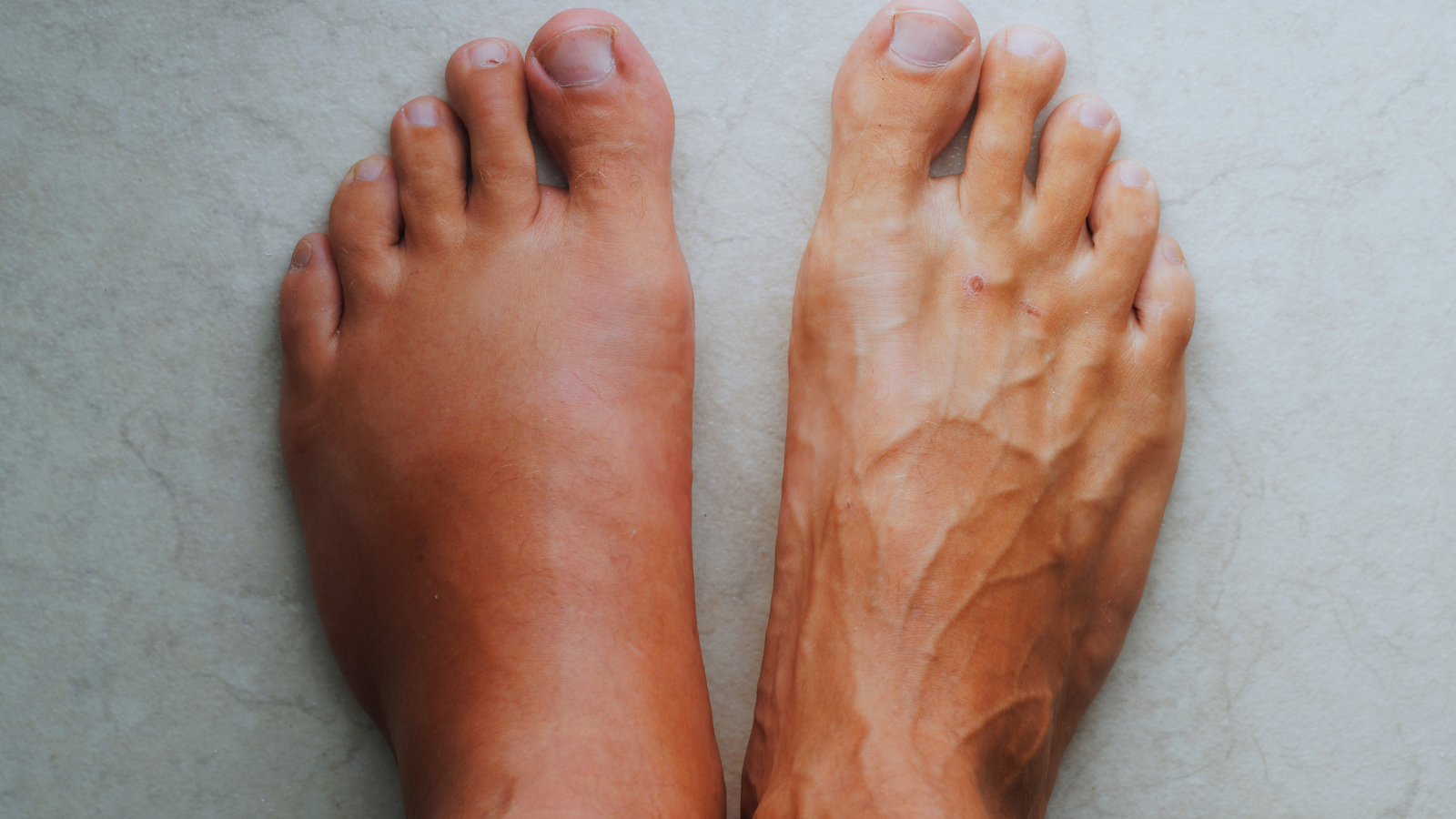
Complex Regional Pain Syndrome is one of the most painful chronic conditions, yet emerging research shows promising recovery through neuroplastic and behavioral therapies. Explore 30 evidence-based statistics covering diagnosis, brain changes, treatment outcomes, mental health, and multidisciplinary approaches that improve pain, function, and quality of life.

Evidence-based data on how neuroplastic and behavioral approaches support recovery for people living with complex regional pain syndrome
Complex regional pain syndrome ranks among the most painful conditions in clinical medicine, scoring higher than amputation on the McGill Pain Index. Yet conventional treatments often fall short: 70% of patients receive opioid prescriptions that clinical trials have failed to support, and fewer than 6% report complete symptom freedom at 12 months with standard care. A growing body of research points to a different path. Brain imaging confirms that CRPS involves measurable cortical reorganization, and critically, these brain changes reverse when effective treatment reduces pain. Mind-body therapies targeting neuroplastic pain mechanisms, including graded motor imagery, mirror therapy, graded exposure, and interdisciplinary behavioral programs, show clinically meaningful improvements in pain, function, and quality of life for people living with CRPS.
Key Takeaways
- CRPS affects approximately 200,000 people in the US and scores 42 to 46 out of 50 on the McGill Pain Index, the highest rating for any chronic pain condition.
- Brain imaging shows cortical reorganization in CRPS correlates with pain severity and reverses when treatment reduces pain, confirming the condition's neuroplastic nature.
- Mind-body therapies have CRPS-specific RCT evidence for graded motor imagery, mirror therapy, and graded exposure, with reduced pain and disability at 6-month follow-up.
- Interdisciplinary programs combining behavioral and physical approaches reduce pain by 66% and improve grip strength by 88% in CRPS patients.
- Early intervention within 3 months of onset is critical. With effective multidisciplinary treatment, up to 80% recover within 18 months.
CRPS Prevalence and the Diagnostic Gap
1. Approximately 200,000 people in the US live with CRPS, with an incidence of 5.46 per 100,000 person-years
CRPS is more common than many clinicians realize. Population-based data from Olmsted County established an incidence of 5.46/100,000 person-years with a period prevalence of 20.57 per 100,000. A 2024 Lancet Neurology review estimated an at-risk prevalence of 3.04% among patients following fractures or surgeries, meaning CRPS develops in roughly 1 out of every 33 at-risk individuals.
2. Women are affected 3 to 4 times more often than men, with peak incidence between ages 37 and 50
CRPS disproportionately affects women. Dutch population data found a gender-specific incidence ratio of 40.4 per 100,000 for women versus 11.9 for men, approximately 3.4 to 1. Upper-extremity involvement is the most common presentation, with the majority of cases following a fracture, surgery, or soft tissue injury.
3. Average diagnostic delay approaches 4 years, with some patients waiting over a decade
Many people with CRPS spend years without an accurate diagnosis. An observational study of 180 patients found a delay averaging 3.9 years, with some patients waiting up to 10 years. This delay has direct consequences: research shows that 81% experienced worsened pain after undergoing surgery without a prior CRPS diagnosis.
4. 60% of physicians are reluctant to diagnose CRPS even when they suspect it
The diagnostic gap is not just about recognition. It is about clinical confidence. The same observational study found that 60% hesitated to diagnose CRPS despite privately suspecting the condition in 40% of cases. This hesitancy delays appropriate treatment during the critical early window when intervention is most effective.
{{cta_2}}
The True Cost of Living with CRPS
5. CRPS scores 42 to 46 out of 50 on the McGill Pain Index, the highest rating for any chronic pain condition
On the McGill Pain Questionnaire, CRPS scores higher than amputation, non-terminal cancer, and childbirth. This ranking reflects the condition's distinctive combination of burning pain, allodynia (pain from normally non-painful touch), and movement-evoked pain that can persist for years.
6. 75% of patients report substantial interference with general activity, mood, work, and recreation
CRPS affects nearly every domain of daily life. Survey data using the Brief Pain Inventory found that 75% report major interference, scoring 5 or higher out of 10 across domains including general activity, mood, normal work, and recreational activities.
7. 80% of CRPS patients report sleep disturbance, with 62% affected at least three nights per week
Sleep disruption compounds the pain experience. 80% report sleep problems, and nearly two-thirds experience disturbed sleep three or more nights weekly. A 2024 study found that 85% experience significant fatigue, with 67% reporting severe fatigue, creating a cycle where poor sleep amplifies central nervous system changes.
8. Only 20% of CRPS patients maintain employment; 73% leave work immediately after onset
The economic impact on patients is severe. Research shows that employment drops to 20% among CRPS patients, with nearly three-quarters leaving their job immediately after the inciting event. A systematic review found 30-40% leave work permanently, and a further 27-35% require workplace adaptation when they do return.
9. Healthcare costs more than double at CRPS diagnosis and remain elevated for at least 8 years
CRPS generates substantial healthcare costs. Analysis of over 35,000 patients found costs increase 2.17-fold at the year of diagnosis, with prescription costs rising 2.56-fold. Annual post-diagnosis expenditures ranged from $3,888 to $8,508 per patient across 8 years of follow-up. A Swiss retrospective analysis documented costs 19 times higher for insurance and 13 times higher for treatment than comparable injuries without CRPS.
Mental Health and Psychological Impact
10. Depression affects up to 60% of people living with CRPS
Mood disorders are the most common psychiatric comorbidity in CRPS. A forensic evaluation of 55 patients found depression in 60%, and psychiatric evaluation cohorts report mood disorders in up to 80% of CRPS patients assessed. These findings highlight the bidirectional relationship between pain and emotional health that mind-body approaches specifically address.
11. 38% of CRPS patients meet diagnostic criteria for PTSD, and 86% of those developed PTSD before their CRPS
The overlap between CRPS and trauma is striking. A study of 152 CRPS patients found that 38% met PTSD criteria, and notably, 86% of those patients developed PTSD before their CRPS onset. This temporal relationship suggests that pre-existing trauma may prime the nervous system for the amplified pain response characteristic of CRPS.
12. 46.4% of CRPS patients report suicidal ideation, and 20% have attempted suicide
The psychological toll of CRPS demands serious clinical attention. Survey data found 46.4% reporting suicidal ideation, and epidemiological data documented a 20% lifetime attempt rate. These rates exceed those seen in most other chronic pain populations, underscoring the importance of integrated psychological care within any CRPS treatment program.
13. 79.2% of CRPS patients report significant life stressors preceding onset, compared to 21.4% of controls
The relationship between psychological stress and CRPS development is well documented. A controlled study found stressful events in 79.2% of CRPS patients versus 21.4% of matched controls. This nearly fourfold difference supports the understanding that psychological and emotional factors play a significant role in both the onset and maintenance of CRPS, reinforcing the rationale for brain-based treatment approaches.
{{cta_3}}
CRPS as a Brain-Driven Condition: The Neuroplasticity Evidence
14. Cortical hand representation shrinks in CRPS, with reorganization correlating with pain intensity (r = 0.792)
Brain imaging provides direct evidence that CRPS involves the central nervous system, not just the affected limb. Magnetoencephalography studies demonstrate somatosensory cortex shrinkage on the CRPS-affected side, with the degree of reorganization closely tracking pain intensity (correlation coefficient 0.792) and mechanical hyperalgesia (r = 0.860).
15. Cortical reorganization reverses when treatment successfully reduces pain
The brain changes in CRPS are not permanent. Follow-up neuroimaging research confirmed that cortical reorganization reverses coincident with clinical improvement, with pain reduction being the strongest predictor of cortical recovery. In pediatric CRPS, intensive interdisciplinary treatment was similarly associated with brain changes normalizing. This reversibility is a cornerstone of the mind-body approach to CRPS treatment.
16. IASP classifies CRPS under nociplastic pain, a third pain mechanism alongside nociceptive and neuropathic
In 2017, the International Association for the Study of Pain introduced a third pain descriptor, nociplastic pain, for pain arising from altered nociception despite no clear evidence of tissue damage or nerve lesion. A 2025 field study applying the IASP grading system found pain beyond standard mechanisms in all CRPS patients studied, supporting the brain-driven model of the condition.
17. 54% to 84% of CRPS patients report body perception disturbance, perceiving the affected limb as distorted
CRPS alters how people perceive their own bodies. Research documents body perception disturbance in 54% to 84% of patients, who typically perceive the affected limb as larger, heavier, or disconnected. This phenomenon mirrors the cortical reorganization seen in brain imaging and provides a rationale for therapies like graded motor imagery that retrain the brain's body map.
18. Gray matter changes appear in emotional and pain-processing brain regions, including the insula and prefrontal cortex
Structural brain imaging reveals gray matter atrophy in the right insula, ventromedial prefrontal cortex, and nucleus accumbens of CRPS patients, brain regions involved in emotional processing and pain modulation. A 2022 meta-analysis also found bidirectional gray matter changes in the left striatum, hypothalamic area, and corpus callosum. These findings indicate that CRPS involves widespread changes across the brain's pain and emotion networks, consistent with the central sensitization model.
Why Conventional Treatments Often Fall Short
19. 70% of CRPS patients are prescribed opioids, yet one RCT found no benefit over placebo
Opioid prescribing is common in CRPS despite weak evidence. A retrospective case-control study found 70% received opioid prescriptions, compared to 48% of controls. The only randomized controlled trial comparing sustained-release morphine to placebo in CRPS found no significant pain reduction, raising questions about the risk-benefit profile of long-term opioid use for this condition.
20. Up to 39% of patients receive no pain relief from sympathetic nerve blocks
Sympathetic blockade has been a traditional CRPS intervention, but outcomes are inconsistent. A retrospective study of 255 patients found 39% report no relief from sympathetic blockade. A Cochrane systematic review concluded there is insufficient supporting evidence for the effectiveness of this technique in CRPS.
21. Spinal cord stimulation shows a 63% complication rate requiring surgical revision
While spinal cord stimulation is sometimes used for refractory CRPS, long-term data reveal significant challenges. A study of permanently implanted devices found a 63% complication rate requiring surgical revision, with 30% of devices ultimately explanted over a median 8-year follow-up period. These findings suggest that invasive interventions carry substantial long-term risks that warrant careful consideration.
22. Only 5.4% of CRPS patients report complete symptom freedom at 12 months with standard care
Long-term outcomes with conventional approaches remain poor for many patients. A prospective study found only 5.4% symptom-free at 12 months. A systematic review documented dysfunction in 51-89% of patients at 12 months or beyond, while no spontaneous remission was observed in patients with CRPS lasting more than one year.
Mind-Body Therapy Outcomes for CRPS
23. Graded motor imagery produced a 23.4mm pain reduction on a 100mm visual analog scale in a CRPS RCT
Graded motor imagery (GMI), a sequential program of left/right limb recognition, imagined movements, and mirror therapy, reduced pain by 23.4mm on a 100mm VAS in a randomized trial of 51 patients with CRPS and phantom limb pain. Pain relief was sustained at 6-month follow-up. A 2024 systematic review confirmed large effect sizes for both GMI programs (SMD: 1.36) and mirror therapy alone (SMD: 1.88) in CRPS populations.
24. Mirror therapy produced significant pain reduction maintained at 24 weeks in a CRPS RCT
Mirror therapy uses visual feedback from the unaffected limb to retrain the brain's body representation. A randomized controlled trial of 48 patients with upper-limb CRPS Type 1 found significant pain reduction at rest, during movement, and for allodynia (P < .001) in the mirror therapy group, with effects lasting 24 weeks post-intervention. The control group showed no significant improvement.
25. Graded exposure in vivo reduced disability more effectively than standard care at 6-month follow-up
Graded exposure therapy directly confronts pain-related fear through systematic, graduated activity. A randomized trial of 46 CRPS-I patients found superior disability reduction with exposure in vivo versus pain-contingent treatment-as-usual (between-group difference 1.082, P < 0.001), with benefits maintained and strengthened at 6-month follow-up (difference 1.303, P < 0.001).
26. Pain catastrophizing decreased 64% and kinesiophobia decreased 56% with exposure therapy in CRPS
Psychological barriers to recovery respond directly to behavioral intervention. In CRPS-I patients receiving graded exposure, catastrophizing dropped 64% and fear of movement decreased 56%. These reductions were associated with restoration of functional abilities, with the exposure group showing greater disability reduction of 7.77 points over 9 months compared to controls.
Interdisciplinary and Behavioral Recovery Programs
27. Interdisciplinary treatment reduced CRPS pain scores from 6.4 to 2.2, a 66% reduction
Comprehensive programs combining physical rehabilitation with psychological support produce significant results. A multidisciplinary inpatient rehabilitation program cut pain to 2.2 from a baseline of 6.4 on the visual analog scale, with improvements maintained at a mean 7.5 months post-discharge, when pain scores dropped further to 1.8.
28. Grip strength improved 88% in a multidisciplinary CRPS hand rehabilitation program
Physical function responds to integrated care. An ICF-based multidisciplinary rehabilitation program for CRPS of the hand documented grip strength nearly doubled, improving from 9.5 kg to 17.9 kg, an 88% gain. The program combined occupational therapy, physical therapy, psychology, and medical management into a coordinated treatment plan.
29. 92% of children with CRPS became symptom-free after intensive exercise combined with psychological support
Pediatric CRPS outcomes underscore the potential of integrated mind-body approaches. An intensive exercise program with systematic psychological evaluation produced 92% becoming symptom-free among 103 children with CRPS-I. While pediatric and adult CRPS differ in several respects, this recovery rate demonstrates what is possible when fear of movement and psychological barriers are addressed alongside physical rehabilitation.
30. Up to 80% of CRPS patients recover within 18 months with early, effective multidisciplinary treatment
A 2024 Lancet Neurology review concluded that up to 80% recover with early detection and effective multidisciplinary treatment within 18 months. The recommended approach combines education about CRPS, medical pain management, physical rehabilitation, and psychological support, with the first 3 months after onset identified as the critical window for aggressive early intervention.
How Lin Health Helps with CRPS Recovery
The statistics above paint a clear picture: CRPS involves measurable changes in the brain and nervous system, and therapies targeting those neuroplastic mechanisms produce documented improvements in pain, function, and quality of life.
CRPS develops when the nervous system's pain alarm becomes stuck, continuing to fire even after tissue has healed. Over time, the brain reorganizes around this persistent signal, amplifying pain and spreading it beyond the original injury site. Lin Health's program is based on this neuroplastic understanding of pain and helps people retrain neural pathways through evidence-based behavioral approaches, including CBT, ACT, somatic tracking, and graded exposure. Sessions are delivered by trained recovery coaches through weekly live calls, between-session chat, and structured app-based learning.
What makes Lin Health different from general talk therapy or self-guided programs:
- Specialized in physical conditions like CRPS, chronic pain, migraine, and fibromyalgia, not general mental health
- Coach-led with clinical oversight, combining live sessions with ongoing support and structured modules
- Covered by most insurance plans in CO, TX, FL, CA, and NY, with same-day callbacks and short wait times
- Addresses fear of movement, pain catastrophizing, and the pain-fear cycle that research shows perpetuates CRPS symptoms
Lin Health offers behavioral and neuroplastic pain support for CRPS, delivered by trained recovery coaches and covered by most insurance plans. Wait times are short, often a same-day call, and most patients pay zero out of pocket. Check your CRPS eligibility.
FAQ
What is CRPS and why is it considered a mind-body condition?
CRPS is a chronic pain condition involving persistent pain, swelling, and skin changes, typically in a limb. Research classifies it as nociplastic pain, meaning the nervous system amplifies signals beyond what tissue damage explains. Brain imaging confirms reversible cortical changes that normalize with effective treatment.
What mind-body therapies have clinical evidence for CRPS?
Graded motor imagery, mirror therapy, and graded exposure in vivo all have CRPS-specific randomized controlled trial evidence. Interdisciplinary programs combining physical rehabilitation with psychological support show the strongest outcomes, with one program reducing pain by 66%.
Can brain changes from CRPS actually be reversed?
Brain imaging demonstrates that cortical reorganization in CRPS reverses when pain decreases with treatment. In children, 92% became symptom-free with intensive exercise and psychological support. A 2024 Lancet Neurology review reports up to 80% recover within 18 months with early multidisciplinary care.
Why do conventional treatments often fail for CRPS?
Approaches like opioids and nerve blocks target symptoms without addressing the central nervous system changes driving CRPS. Only 5.4% achieve symptom freedom at 12 months with standard care, and 70% receive opioids that one RCT found no better than placebo.
How early should mind-body treatment begin for CRPS?
The first 3 months after CRPS onset represent the critical treatment window. Baseline anxiety, disability, and pain levels predict long-term outcomes. Early multidisciplinary intervention is associated with significantly better recovery rates.
Does insurance cover mind-body treatment for CRPS?
Lin Health's program is covered by most insurance plans in Colorado, Texas, Florida, California, and New York. Most patients pay zero out of pocket. Check your eligibility.
This article is for informational purposes and is not medical advice. Consult a qualified healthcare provider before making changes to your treatment plan. If you are experiencing suicidal thoughts, contact the 988 Suicide and Crisis Lifeline by calling or texting 988.




.png)
.png)