
Mind-Body Treatment for Chronic Pelvic Pain: What the Evidence Shows
Mind-body therapies like somatic tracking and pain reprocessing therapy show promise in treating chronic pelvic pain. This article dives into how these treatments are helping reduce pain and improve patient outcomes.

Chronic pelvic pain often persists after medical workups, surgeries, or pelvic-floor physical therapy have addressed every structural cause clinicians can identify. For many adults, that gap points to a nervous-system component (sometimes called central sensitization or nociplastic pain) that peripheral treatments alone do not fully reach.
Mind-body care, including cognitive behavioral therapy, mindfulness-based interventions, acceptance and commitment therapy, and emerging brain-retraining approaches, is increasingly built into chronic pelvic pain guidelines as part of a broader treatment plan. This article walks through what the current evidence supports, where it does not, and how a behavioral program fits alongside medical care and pelvic-floor PT.
Key Takeaways
- Chronic pelvic pain is pain in the pelvic region lasting six months or longer, covering conditions such as interstitial cystitis/bladder pain syndrome, chronic prostatitis/chronic pelvic pain syndrome, vulvodynia, and endometriosis-associated pain.
- In about 22–27% of urologic chronic pelvic pain cases, central nervous system pain processing contributes to symptoms alongside (or instead of) ongoing tissue pathology.
- For cognitive behavioral therapy in IC/BPS, a randomized trial found CBT plus bladder treatment outperformed bladder treatment alone on anxiety and global response.
- In women with endometriosis-related pelvic pain, a 2024 systematic review and meta-analysis found that CBT, mindfulness, and ACT all reduced pain and distress.
- Lin Health's brain-first program is based on research in chronic pain (including back pain and musculoskeletal pain) and applies behavioral approaches as part of, not in place of, medical and pelvic-floor PT care.
What Chronic Pelvic Pain Is
Most clinical definitions describe chronic pelvic pain (CPP) as non-cyclic pelvic pain of at least six months' duration, severe enough to cause functional disability or require treatment. The pain may sit in the bladder, vulva or vagina, perineum, prostate, scrotum, lower abdomen, or low back. It frequently overlaps with bowel, bladder, and sexual symptoms.
The umbrella covers several specific diagnoses:
- Interstitial cystitis/bladder pain syndrome (IC/BPS): bladder pain with urinary urgency or frequency
- Chronic prostatitis/chronic pelvic pain syndrome (CP/CPPS): pelvic or perineal pain in men, frequently with urinary or sexual symptoms
- Vulvodynia (including provoked vestibulodynia): vulvar pain, often provoked by touch or intercourse
- Endometriosis-associated pelvic pain: pelvic pain that persists even after medical or surgical treatment of endometriosis
- Myofascial pelvic pain: pain from pelvic-floor muscle dysfunction
- Pudendal neuralgia: pain along the pudendal nerve distribution
US population-level estimates put chronic pain at 25.4% of women and 23.2% of men in 2023, per the most recent NHIS data. CPP-specific prevalence estimates vary widely depending on definition, from roughly 5.7% to 26.6% across studies. For men, CP/CPPS symptoms affect 2–10% at any given time.
{{cta_2}}
Why the Brain Matters in Pelvic Pain
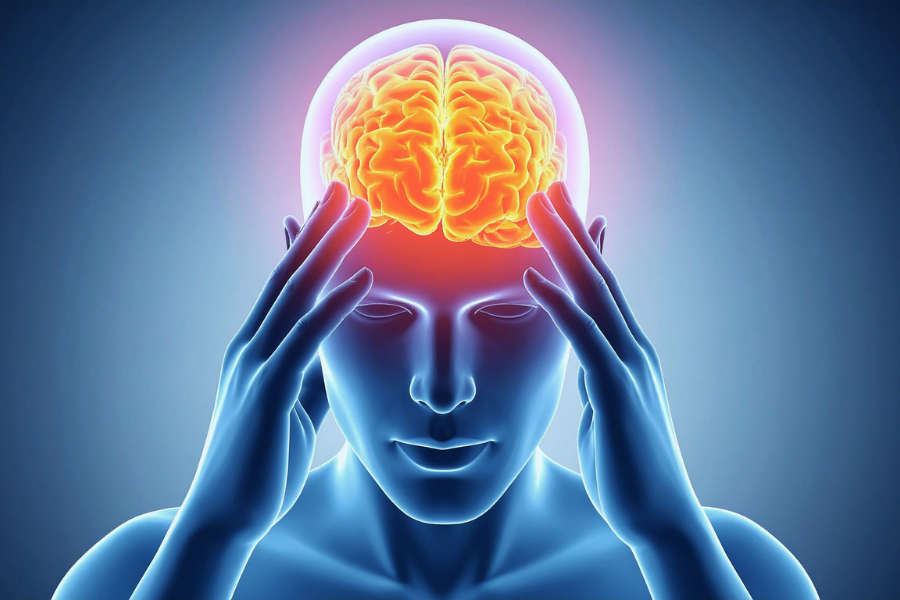
Acute pain is a danger signal: the nervous system fires an alarm to protect tissue from harm. Once tissue has healed, the alarm usually stops. In chronic pain, the alarm can remain switched on, and the brain regions involved can shift from those that process tissue injury to those that process emotion and learned behavior, per research on chronic-pain brain shifts.
The International Association for the Study of Pain formalized this in 2017 with the term nociplastic pain, defined as pain arising from altered nociception without clear evidence of active tissue damage or nerve injury. Clinical criteria for nociplastic pain in musculoskeletal conditions require pain duration of more than three months, regional or widespread distribution, pain not fully explained by nociceptive or neuropathic mechanisms, and evoked hypersensitivity such as allodynia or hyperalgesia.
In urologic chronic pelvic pain specifically, a phenotyping study from the MAPP Research Network found that 27% of patients had a nociceptive-plus-nociplastic mechanism and 22% had a neuropathic-plus-nociplastic mechanism at baseline, with the subgroups carrying a nociplastic component showing greater central sensitization and more severe symptoms than nociceptive-only or neuropathic-only phenotypes. This is consistent with central sensitization as a treatable contributor to chronic pelvic pain.
This matters clinically because patients whose pain is driven (in whole or in part) by central nervous system changes tend to respond better to centrally directed therapies, including behavioral and mind-body approaches, than to additional peripheral treatments. Chronic pain affects the brain in ways that are also the research base for Lin Health's brain-first clinical approach.
Mind-Body Treatments With Research Support
The strongest research base for mind-body care in chronic pelvic pain sits in five categories: cognitive behavioral therapy, mindfulness-based interventions, acceptance and commitment therapy, emotional awareness and expression therapy, and biofeedback. Two newer approaches (somatic tracking and pain reprocessing therapy) are discussed under their broader mechanism.
1. Cognitive Behavioral Therapy (CBT)
CBT helps patients identify and shift the thoughts, behaviors, and avoidance patterns that maintain a pain cycle (pain → fear → avoidance → deconditioning → more pain). It is the most studied behavioral treatment in chronic pelvic pain.
- IC/BPS: A randomized trial in women with IC/BPS found that CBT plus standard bladder treatment improved anxiety and global response more than bladder treatment alone over 12 weeks. A separate pilot of telemedicine-delivered CBT for IC/BPS showed feasibility and improvements in urologic and pain-related outcomes versus an attention control.
- CP/CPPS: The 2025 AUA Male CPP Guideline recommends CBT as a conditional adjunct (evidence Grade C). An 8-week structured CBT program was developed and tested specifically for men with CP/CPPS.
- Vulvodynia (provoked vestibulodynia): In a randomized trial of 108 women with provoked vestibulodynia and their partners, cognitive behavioral couple therapy produced greater reductions in pain unpleasantness, pain anxiety, and pain catastrophizing than topical lidocaine, with effects sustained at follow-up.
- Endometriosis-associated pain: A 2024 randomized trial of CBT for endometriosis pain reported improvements in pain perception, depression, stress, and quality of life. A 2024 endometriosis psychological-intervention meta-analysis found that CBT, mindfulness, and ACT all reduced pain across included trials.
CBT is endorsed in chronic pelvic pain by major US guideline bodies, including the 2020 ACOG Practice Bulletin 218, the 2022 AUA IC/BPS guideline, and the 2025 AUA Male CPP guideline.
2. Mindfulness-Based Interventions
Mindfulness-based stress reduction (MBSR) and mindfulness-based cognitive therapy (MBCT) teach attention training, body awareness, and a non-reactive stance toward physical sensations. In pelvic pain populations, these techniques are typically delivered in eight-week group programs.
- Vulvodynia: A randomized trial in 130 women with provoked vestibulodynia found that mindfulness-based cognitive therapy was at least as effective as CBT at six-month follow-up, with both groups improving on most pain and sexuality outcomes.
- Female CPP overall: A 2024 systematic review of biopsychosocial approaches in female CPP identified mindfulness as one of four intervention categories with randomized evidence, alongside CBT, ACT, and physiotherapy.
The strongest practical fit for mindfulness is patients whose pain flares are tightly tied to stress, hypervigilance, or pelvic-floor muscle tension.
3. Acceptance and Commitment Therapy (ACT)
ACT focuses on psychological flexibility: noticing pain without being controlled by it, defusing from unhelpful thoughts, and re-engaging in valued activities even when pain is present. The chronic pain evidence base for ACT has grown rapidly.
- Chronic pain broadly: A 2023 overview of systematic reviews concluded that ACT for chronic pain reduces depression, anxiety, psychological inflexibility, and pain catastrophizing, while improving pain acceptance and mindfulness. A 2024 meta-analysis of 21 RCTs reported small effects on pain intensity and quality of life, with a medium effect on depression.
- Vulvodynia: A 2024 randomized trial of guided internet-based ACT for provoked vestibulodynia reported improvements in pain-related disability and sexual outcomes versus a waitlist control.
A practical readout from this body of work: ACT tends to help most when patients are stuck in avoidance loops, where pain has narrowed life into a smaller and smaller circle. Lin Health's ACT condition guide covers the underlying model in more depth.
4. Emotional Awareness and Expression Therapy (EAET)
EAET is a newer mind-body therapy that targets emotional avoidance, trauma history, and unprocessed conflict, on the hypothesis that these patterns can sustain nociplastic pain. The strongest randomized evidence base is in fibromyalgia and chronic musculoskeletal pain, not in chronic pelvic pain specifically, but the underlying model is directly relevant.
- A landmark three-arm fibromyalgia trial in 230 adults found that EAET produced greater reductions in widespread pain and improvements in physical functioning than fibromyalgia education at six-month follow-up, with effects broadly comparable to CBT.
- A 2024 randomized trial in older veterans with chronic musculoskeletal pain found 63% of EAET participants achieved ≥30% pain reduction, versus 17% with CBT, with EAET outperforming CBT on pain reduction.
These trials studied fibromyalgia and musculoskeletal pain, not chronic pelvic pain. Direct CPP efficacy claims for EAET should wait for CPP-specific trials. Lin Health's EAET research summary covers the rationale and the cross-condition evidence.
5. Somatic Tracking and Pain Reprocessing Concepts
Somatic tracking is a structured technique for attending to pain sensations from a place of safety, with the goal of reducing the brain's threat appraisal and the alarm response that follows. It is a core component of pain reprocessing therapy (PRT).
The strongest randomized evidence for PRT is in chronic back pain, not chronic pelvic pain. A randomized trial in adults with chronic back pain reported that two-thirds of PRT participants were pain-free or nearly pain-free at one-month post-treatment, compared with 20% on placebo and 10% on usual care, with PRT outperforming placebo and usual care. The same cohort's five-year follow-up found that benefits persisted without boosters.
Those results apply to chronic back pain. Whether the same magnitude of effect carries to chronic pelvic pain has not been tested in a randomized trial. The mechanism (reducing centrally generated pain through threat-appraisal change) is directly relevant to the nociplastic subgroup of CPP, which is why somatic tracking and similar techniques are part of many behavioral pelvic pain programs. The Lin Health somatic tracking guide and PRT crash course cover the technique in more detail.
6. Biofeedback
Biofeedback uses real-time signals (often surface EMG over the pelvic floor) to teach patients to relax overactive pelvic-floor muscles. It is typically delivered by pelvic-floor physical therapists. The 2022 AUA IC/BPS guideline includes pelvic-floor muscle relaxation among recommended behavioral approaches, and biofeedback is recognized as an effective adjunct for certain CPP phenotypes, particularly those with documented pelvic-floor dysfunction.
Biofeedback sits at the boundary of mind-body and physical care, and works best when paired with pelvic-floor PT and one of the psychological approaches above.
How Mind-Body Care Fits With Medical and Pelvic-Floor PT
Every major chronic pelvic pain guideline now describes treatment as multidisciplinary, with medical, physical, and psychological care delivered in parallel rather than in sequence.
- The EAU 2025 chronic pelvic pain guideline states that single interventions (psychology, physiotherapy, drugs, more invasive procedures) should be considered within a broader personalized strategy, and gives a strong recommendation to refer patients with significant psychological distress for chronic pelvic pain-focused psychological treatment.
- The 2022 AUA IC/BPS guideline) lists behavioral and non-pharmacologic interventions among the recommended treatment categories, including stress management, meditation, and pelvic-floor muscle relaxation.
- The 2025 AUA Male CPP guideline explicitly recommends that clinicians may offer CBT as an adjunct to other therapeutic interventions in CP/CPPS, alongside lifestyle modification, pharmacologic options, and procedural intervention.
- The 2020 ACOG Practice Bulletin 218 recommends assessing emotional well-being at every visit and considering referral to pelvic-floor physical therapy, sex therapy, or CBT, alone or in combination.
A 2025 meta-analysis found that multidisciplinary care for female CPP, with behavioral therapy as one component, was associated with better outcomes than single-discipline approaches across pain and quality-of-life measures.
Mind-body care is not a replacement for medical evaluation. Endometriosis surgery, infection workup, neurologic imaging, and other indicated medical work need to happen on their own clinical timeline. The mind-body component sits alongside that work and addresses the part of the pain that medical and surgical interventions tend not to reach.
What to Expect From a Mind-Body Program
A typical evidence-based behavioral program for chronic pelvic pain runs 6 to 12 weeks and includes:
- Pain neuroscience education: how chronic pain is generated, why structural findings often do not predict pain severity, and what role the brain plays in maintaining symptoms
- Skill building: CBT-style cognitive restructuring, mindfulness practice, somatic tracking, or pelvic-floor relaxation, depending on the protocol
- Graded exposure: gentle, structured re-engagement with avoided activities (sitting, walking, sexual activity, exercise) to reduce fear and rebuild function
- Between-session work: daily practice exercises, journaling, or app-supported tracking
Programs may be delivered one-to-one or in groups, in-person or by telehealth. Lin Health's chronic pelvic pain recovery guide walks through what this looks like in practice.
Who tends to benefit most:
- Adults whose pelvic pain has persisted for six months or longer despite appropriate medical workup
- Patients with widespread pain, comorbid pain conditions, or features consistent with central sensitization
- Patients whose flares are tied to stress, emotional triggers, or pelvic-floor muscle tension
- Patients motivated to engage with active treatment between sessions
Where mind-body care is not the right starting point:
- Patients with red-flag symptoms (new neurologic deficits, suspected infection, suspected malignancy, unevaluated bleeding) need medical workup first
- Untreated severe depression, active suicidal ideation, active substance use disorder, or untreated PTSD generally need to be addressed in parallel rather than ignored
- Patients with predominantly nociceptive pain from a clearly treatable structural lesion may get better results from targeted medical or surgical treatment as the first step, with behavioral care added if pain persists
How Lin Health Helps With Chronic Pelvic Pain
Lin Health is a clinical-grade behavioral program for chronic pain. The approach is based on findings from research on central sensitization, nociplastic pain, and brain-retraining therapies, applied through a coach-led program rather than self-paced reading or general talk therapy.
What the program looks like:
- Coach-led 1:1 care delivered weekly, with messaging support between sessions
- App-supported practice including pain education, somatic tracking exercises, graded exposure plans, and CBT-style skill building
- Modalities used include CBT, acceptance and commitment therapy, active engagement therapy, and somatic tracking concepts drawn from pain reprocessing research
- Insurance covered in Colorado, Texas, Florida, California, and New York, with same-day callbacks to check eligibility
- Short wait times versus typical mental-health system referrals
Lin Health works alongside, not in place of, urology, urogynecology, OB-GYN, and pelvic-floor physical therapy care. Patients are encouraged to continue with their existing medical team while adding behavioral care.
If you have been living with chronic pelvic pain for six months or longer and want to add a behavioral, brain-first layer to your care, Lin Health may be a fit. Wait times are short, often a same-day callback, and most patients pay $0 out of pocket with insurance in CO, TX, FL, CA, and NY. See if Lin Health may help.
{{cta_3}}
FAQ
What counts as chronic pelvic pain?
Chronic pelvic pain is pain in the pelvic region (bladder, vulva, vagina, perineum, prostate, scrotum, lower abdomen, or low back) lasting six months or longer. It may be constant or intermittent, and frequently includes bladder, bowel, or sexual symptoms. Specific diagnoses under this umbrella include interstitial cystitis/bladder pain syndrome, chronic prostatitis/chronic pelvic pain syndrome, vulvodynia, endometriosis-associated pain, myofascial pelvic pain, and pudendal neuralgia.
Does mind-body treatment mean my pain is "in my head"?
No. The pain is real and measurable. Mind-body care targets the nervous-system processes that maintain pain after tissue has healed, sometimes called central sensitization or nociplastic pain. Major guideline bodies (ACOG, AUA, EAU) recommend behavioral approaches alongside medical care precisely because these mechanisms are documented contributors to chronic pelvic pain.
Can mind-body therapy replace pelvic-floor physical therapy?
In most cases, no. Pelvic-floor PT addresses muscle tone, coordination, and tissue mobility. Mind-body care addresses the nervous-system component. The 2024 systematic review of biopsychosocial approaches in female CPP found that combined care tends to outperform either alone. For patients with documented pelvic-floor dysfunction, PT remains a core part of treatment.
How long does mind-body treatment for pelvic pain take to work?
Most randomized trials run 6 to 12 weeks of active treatment, with measurable changes by week 8 in many studies. Effects tend to build over months as practice continues. In the chronic back pain literature, brain-retraining trials have reported durable benefits at five-year follow-up without booster sessions, though comparable long-term CPP-specific data are still emerging.
Is mind-body care covered by insurance?
Coverage varies by state, payer, and provider. Lin Health is insurance-covered for chronic pain in Colorado, Texas, Florida, California, and New York, with most patients paying $0 out of pocket. General behavioral health coverage for chronic pain treatment in the US is uneven. Checking eligibility with your insurer or a program that handles verification (typically same-day) is the fastest way to get a clear answer.
What if I have already tried therapy and it did not help?
General talk therapy that focuses on childhood, depression, or anxiety is not the same as a chronic pain-specific behavioral program. Pain-focused CBT, ACT, mindfulness for pain, and brain-retraining approaches use different skills, different homework, and different outcome targets than general psychotherapy. A program designed specifically for chronic pain, with coaches trained in the pain literature, is structurally different from talk therapy for a mental health concern.
In Summary
Chronic pelvic pain is increasingly understood as a condition with both peripheral and central nervous-system contributors. Cognitive behavioral therapy, mindfulness-based interventions, and acceptance and commitment therapy have randomized evidence in specific pelvic pain conditions, including IC/BPS, CP/CPPS, vulvodynia, and endometriosis-associated pain. Newer brain-retraining approaches such as somatic tracking and pain reprocessing have strong evidence in chronic back pain and a plausible mechanism for chronic pelvic pain, with CPP-specific trials still developing. Major US and European guidelines now describe multidisciplinary care, including behavioral therapy, as the standard for chronic pelvic pain.
If you are evaluating options, a behavioral program designed for chronic pain works best alongside ongoing medical and pelvic-floor PT care, not in place of it.
This article is for informational purposes and is not medical advice, diagnosis, or treatment. Consult a qualified healthcare provider with questions about a medical condition. Do not delay seeking medical care because of the information you read here.


.png)
.png)