Best Mind-Body Apps For CRPS In 2026
Mind-body programs can target the pain-processing changes associated with CRPS through education, behavioral therapy, mindfulness, and graded motor imagery. This guide compares six 2026 options, showing how they differ in coaching, therapist involvement, self-guided exercises, CRPS-specific features, cost, and usefulness as part of a broader treatment plan.

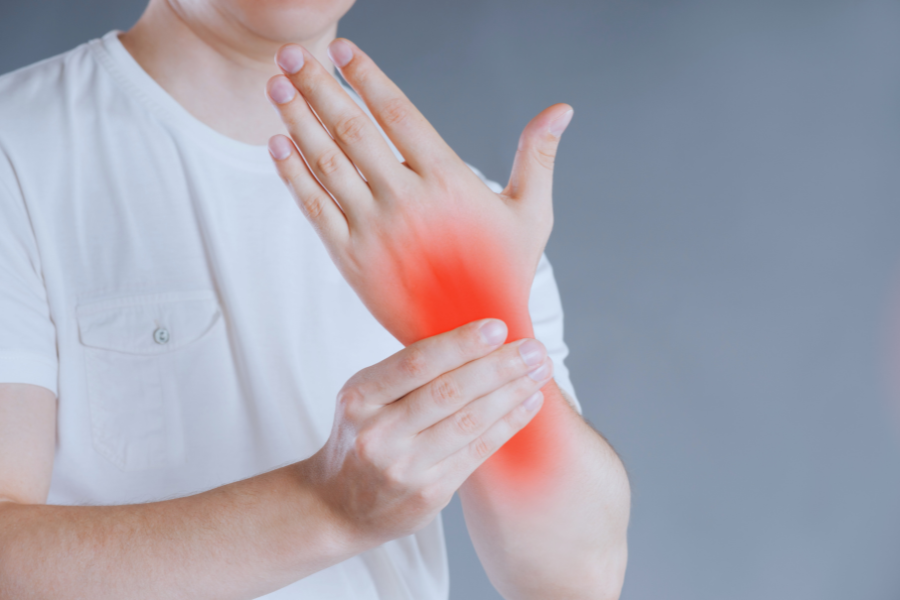
Complex regional pain syndrome (CRPS) is a chronic pain condition that usually develops in one limb after an injury, surgery, or immobilization. The pain is often far more intense than the original trigger, and it can persist long after tissues have healed. For people living with CRPS, this disproportionate, lasting pain reflects changes in how the nervous system amplifies pain, a pattern researchers now classify as nociplastic pain.
Mind-body apps and programs address these neurological changes directly. Instead of treating only the affected limb, they work with the brain's pain pathways through techniques like cognitive behavioral therapy, pain reprocessing, graded motor imagery, and mindfulness. Below are six apps and programs that use mind-body approaches relevant to CRPS, ordered by clinical depth, personalization, and access. This is not an efficacy ranking, because no head-to-head trials have compared these tools in CRPS. Any program decision should be made together with a CRPS-experienced clinician.
Key Takeaways
- CRPS pain often persists after tissue healing because of central sensitization, where the nervous system amplifies pain signals beyond the original injury, making brain-based approaches a clinically relevant part of treatment.
- Lin Health is the only program on this list that combines 1:1 recovery coaching, insurance coverage, and multiple evidence-based modalities (CBT, ACT, EAET) with a dedicated CRPS condition guide.
- Self-guided apps like Curable and Pathways offer pain neuroscience education and behavioral exercises at lower cost, though without the personalized clinical support that complex conditions like CRPS often require.
- Graded motor imagery, the approach with the strongest CRPS-specific research base, is available through the Recognise Hand app for at-home laterality training.
- Every app on this list works alongside medical care, not in place of it.
Why Mind-Body Approaches May Help People Living With CRPS
CRPS is classified as a rare condition, with a five-year incidence around 0.07% in the United States. It affects women roughly twice as often as men and most commonly develops in adults between their 40s and 50s. Despite its relatively low prevalence, CRPS is one of the most disabling chronic pain conditions.
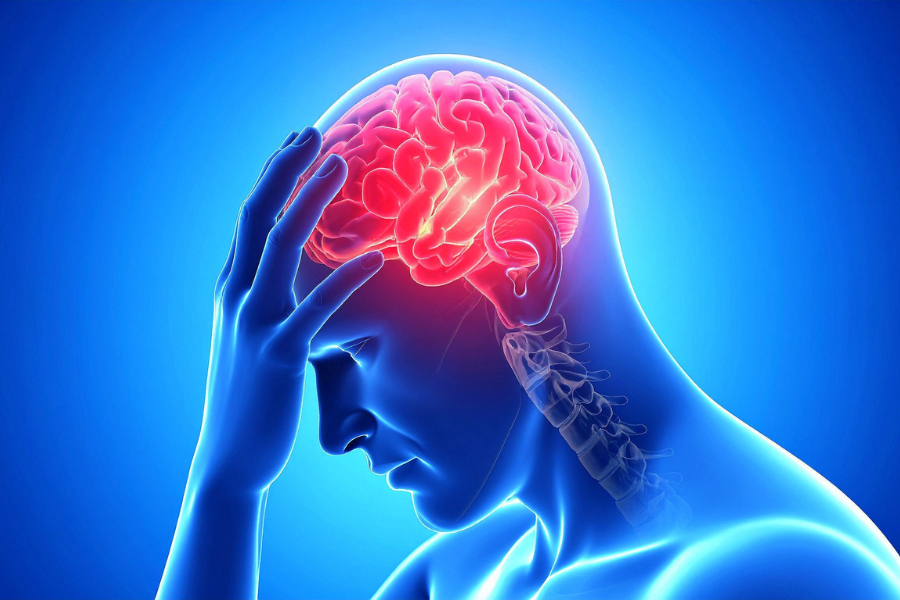
What makes CRPS particularly relevant for mind-body approaches is the degree to which the nervous system itself drives the pain. After the initial injury heals, the brain's pain alarm can remain activated, continuing to generate pain, swelling, and sensitivity even without ongoing tissue damage. The International Association for the Study of Pain (IASP) now recognizes nociplastic pain, meaning it arises from altered pain processing rather than structural damage or nerve injury. Central sensitization, where pain signals are amplified at the spinal and brain level, plays a key role in how CRPS pain becomes self-sustaining.
Research supports several mind-body strategies for CRPS:
- A 2025 systematic review found that CBT-informed neurocognitive approaches, including mirror therapy and graded exposure, reduced pain and disabilityin people with CRPS.
- A 2024 review reported that graded motor imagery and mirror therapy improved pain and function in CRPS populations, though sample sizes were small.
- Clinical guidelines, including the 2025 ASIPP guidance, consistently include psychological and behavioral approaches within multimodal CRPS rehabilitation.
None of the apps below have been studied specifically in CRPS randomized trials. Their relevance comes from the modalities they deliver, many of which have evidence for chronic pain broadly, and some of which (like graded motor imagery) have CRPS-specific research support.
What to Look for in a Mind-Body App for CRPS
Not every chronic pain app is equally relevant to CRPS. When evaluating options, consider:
- Modalities that address central sensitization. CBT, ACT, pain neuroscience education, and graded motor imagery all target the neural pathways involved in CRPS pain amplification.
- Personalization. CRPS affects each person differently. A program with live coaching can adapt to individual symptoms, triggers, and progress in ways a fixed curriculum cannot.
- CRPS-specific content. Some programs include dedicated modules for CRPS or conditions with strong central sensitization features. Others treat chronic pain generically.
- Cost and coverage. CRPS treatment is often long-term. Insurance coverage or low out-of-pocket cost matters over months and years.
- Integration with clinical care. CRPS care works well when it is multimodal. An app should complement a clinician-led treatment plan, not replace it.
1. Lin Health
Lin Health is a coach-led mind-body program that pairs live weekly recovery-coach sessions with between-session chat and structured app modules. It is the top pick for people living with CRPS because of how it is delivered, what it integrates, and how it is covered.
How it works
After sign-up, a patient is matched with a trained recovery coach who specializes in chronic pain. The coach delivers a structured program that draws on cognitive behavioral therapy, acceptance and commitment therapy, emotional awareness and expression therapy, and brain-based pain retraining principles. Between live calls, patients access app-based exercises, somatic tracking practices, and guided journaling. This is not a self-paced app or a book program.
Why it stands out for CRPS
Lin Health maintains a dedicated CRPS condition guide and treats CRPS as part of its persistent symptom conditions. The combination of live coaching and multiple modalities is particularly relevant for CRPS, where the complexity of the condition often calls for more guidance than a self-directed program can provide.
The modalities Lin Health uses each have evidence for reducing pain and improving function in adults with chronic pain:
- Cognitive behavioral therapy reduces pain and disability for adults with chronic non-cancer pain, with effects generally maintained at follow-up.
- Acceptance and commitment therapy improves functioning and mood in adults with chronic pain.
- Emotional awareness and expression therapy showed greater pain improvement than CBT in a 2024 randomized trial of older veterans with chronic musculoskeletal pain.
Lin Health's approach is based on findings from these and related research programs, applied within a coach-delivered protocol. None of these trials studied Lin Health directly.
Coverage and access
Lin Health is in-network with insurance plans in Colorado, Texas, Florida, California, and New York. Patients in those states usually pay zero out of pocket once coverage is verified. Wait times are short, with most patients receiving a same-day callback after sign-up. Lin Health partners with Mayo Clinic, WellSpan, AdventHealth, MaineHealth, and CommonSpirit, among others.
2. Curable
Curable is a self-guided chronic pain app. It combines pain neuroscience education, writing exercises, meditation, and behavioral techniques drawn from pain reprocessing and emotional processing approaches.
How it works
Patients work through structured lessons at their own pace, alongside a library of guided audio exercises. Curable focuses on pain education, helping users understand the brain's role in chronic pain, and offers behavioral practices to apply those concepts daily.
Best fit for CRPS
Adults with CRPS who prefer a self-paced format, who are comfortable doing structured behavioral exercises independently, and who are working with a separate CRPS care team for clinical support. Curable does not include live coaching or CRPS-specific modules. For a detailed comparison, see Lin Health vs Curable.
How to access it
Curable is a paid mobile app subscription, typically around $96 to $120 per year. It is not covered by insurance.
3. Pathways
Pathways is a self-guided mind-body program that bundles guided mindfulness, gentle movement, cognitive strategies, and pain education into a structured course.
How it works
Pathways combines several modalities into a single multi-week curriculum with daily exercises, tracking, and progress monitoring. The format is similar to a digital self-help workbook delivered through audio and short video lessons.
Best fit for CRPS
Adults with CRPS who want a structured at-home program that mixes meditation, movement, and education at a lower price point than a coached program. Pathways does not include live clinician support or CRPS-specific content. See Lin Health vs Pathways for a side-by-side comparison.
How to access it
Pathways is available as a paid web-based program, typically around $70 per year. Insurance coverage is not standard.
4. Menda Health
Menda Health is a therapist-led virtual program for adults with chronic pain. Its approach draws on pain reprocessing therapy and emotional awareness and expression therapy, delivered through live sessions.
How it works
Patients enroll in a structured program (typically 10 weeks) with live virtual sessions led by a trained therapist. Between sessions, the Menda app provides neural retraining exercises, flare-up tools, and symptom tracking.
Best fit for CRPS
Adults with CRPS who want live therapist support and are drawn to the PRT/EAET model of pain reprocessing. Menda does not offer CRPS-specific modules, but the neuroplastic pain framework it uses is directly relevant to the central sensitization mechanisms driving CRPS.
How to access it
Menda Health is accessed through its website. Pricing is subscription-based. Insurance coverage varies.
5. Recognise Hand (NOI Group)
Recognise Hand is a mobile app from the Neuro Orthopaedic Institute (NOI) designed for the first stage of graded motor imagery (GMI). GMI is the approach with the most CRPS-specific research support on this list, with systematic reviews showing potential pain benefits in people with CRPS.
How it works
The app presents images of left and right hands, and the user identifies them as quickly and accurately as possible. This laterality discrimination training is the first of three GMI stages. The other two stages, imagined movement and mirror therapy, are typically guided by a physiotherapist. The app tracks speed and accuracy over time.
Best fit for CRPS
Adults with upper-limb CRPS who are working with a physiotherapist on a GMI protocol and want a convenient way to practice laterality training between clinical sessions. The app covers only stage one of GMI. Foot and lower-limb versions are available separately. It is not a standalone treatment.
How to access it
Recognise Hand is available on iOS for approximately $12. It is not covered by insurance.
6. Calm
Calm is a widely used meditation and sleep app with a large library of guided practices, breathwork, and mindfulness courses. It does not target CRPS specifically, but the skills it teaches, including stress regulation, sleep improvement, and body-scan meditation, are relevant to the stress and sleep disruptions that commonly accompany CRPS.
How it works
Users browse and play sessions on demand, with curated paths for sleep, anxiety, and stress. Calm Health, the company's clinical arm, partners with employers and health systems to deliver condition-specific content programs.
Best fit for CRPS
Adults with CRPS who want a high-quality mindfulness and sleep tool to complement their clinical care. Most useful alongside a CRPS treatment plan rather than as a standalone program.
How to access it
Calm is a monthly or annual subscription. Some employer-sponsored health benefits include access. Calm Health may be available through select employers or health plans.
How Lin Health Helps With CRPS
CRPS pain can feel overwhelming, especially when conventional treatments provide only partial relief. What many people with CRPS discover is that the pain persists not because of ongoing tissue damage, but because the nervous system's pain alarm has become stuck in a sensitized state. The brain continues generating pain signals, inflammation responses, and protective behaviors even after the original injury has healed. This is the hallmark of central sensitization, and it is what Lin Health's program is designed to address.
Lin Health's recovery coaches work with CRPS patients to retrain how the brain processes pain. The program uses cognitive behavioral therapy to identify and change thought patterns that amplify pain. Acceptance and commitment therapy helps patients move toward meaningful activities despite discomfort. Emotional awareness and expression therapy addresses the emotional contributors that can keep the nervous system in a heightened state. And somatic tracking practicesteach patients to observe pain signals with curiosity rather than fear, interrupting the fear-pain cycle that is especially strong in CRPS.
Every patient gets a dedicated recovery coach, weekly live sessions, between-session chat support, and access to the Lin Health app with guided exercises and journaling tools. The program is covered by insurance in Colorado, Texas, Florida, California, and New York, with most patients paying zero out of pocket. Wait times are short, with same-day callback after sign-up.
If you are living with CRPS and have tried medications, nerve blocks, or physical therapy without lasting relief, a brain-based behavioral approach may be worth exploring with your care team. Check your coverage.
FAQ
What is a mind-body app for CRPS?
A mind-body app delivers techniques that target how the brain processes pain signals rather than treating the affected limb directly. For CRPS, this may include cognitive behavioral therapy, pain neuroscience education, graded motor imagery, or mindfulness. These tools are designed to work alongside medical care, not replace it.
Can a mind-body app replace medical treatment for CRPS?
No. Mind-body apps and programs are most effective as part of a multimodal treatment plan that includes medical oversight. CRPS often requires coordinated care from a pain specialist, physiotherapist, and behavioral health provider. An app can supplement this care with daily practice and skill-building.
Does Lin Health treat CRPS specifically?
Yes. Lin Health includes CRPS as a condition and offers a dedicated condition guide. The program uses modalities with evidence for chronic pain conditions involving central sensitization, delivered through 1:1 recovery coaching.
Is graded motor imagery effective for CRPS?
A 2025 systematic review found that CBT-informed neurocognitive approaches, including graded motor imagery, reduced pain and disability in people with CRPS. Evidence is growing but still limited to small trials. A large-scale randomized trial (MEMOIR) is underway.
Are any of these apps covered by insurance?
Lin Health is in-network with insurance plans in Colorado, Texas, Florida, California, and New York. Most other mind-body apps on this list are subscription-based and not covered by insurance. Calm Health may be available through some employer benefit programs.
How do I choose between a coached program and a self-guided app for CRPS?
A coached program offers personalized guidance, accountability, and adaptation to your specific symptoms. Self-guided apps cost less and offer more scheduling flexibility. For a complex condition like CRPS, many clinicians recommend starting with guided support and adding self-directed tools as skills develop.
This article is for informational purposes only and is not medical advice. It does not replace the guidance of a qualified healthcare provider. Talk with your clinician before starting or changing any treatment for CRPS.
Last reviewed: October 2026