
Best Mind-Body Apps for IBS in 2026
IBS is increasingly understood as a disorder of gut-brain interaction, making behavioral therapies an important treatment option. This guide compares digital programs that deliver hypnotherapy, CBT, mindfulness, and nervous-system retraining, with attention to trial evidence, coaching, insurance, prescription status, and the types of users each approach may benefit.

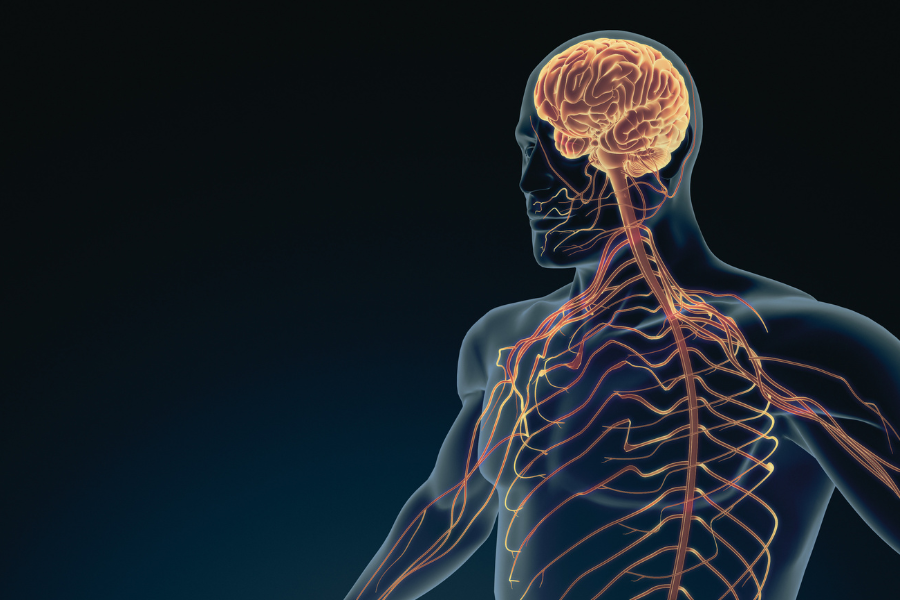
Irritable bowel syndrome is a disorder of gut-brain interaction, and that framing matters when choosing an app. The same bidirectional communication system that carries stress signals from the brain to the gut also offers a pathway for treatment. Behavioral approaches like cognitive behavioral therapy, gut-directed hypnotherapy, and emotional processing techniques can target IBS symptoms by working through the nervous system rather than around it.
The American Gastroenterological Association now counts brain-gut behavior therapies05666-X/fulltext) among its recommended treatments for IBS, and a 2025 network meta-analysis of 67 randomized trials00238-9/abstract) confirmed that several behavioral therapies significantly improve IBS global symptoms in adults. A growing number of apps deliver these therapies digitally. Some offer self-guided programs, others pair you with a trained coach, and a few carry FDA clearance as prescription digital therapeutics.
This article ranks the mind-body apps with the strongest current evidence, coaching support, and accessibility for adults with IBS.
Key Takeaways
- Brain-gut behavioral therapies are now recommended by major gastroenterology guidelines for IBS, with a 2025 network meta-analysis of 67 trials confirming their benefit in adults.
- Lin Health is the only mind-body IBS app that pairs CBT, ACT, and EAET techniques with a live recovery coach, and it is covered by insurance in most high-coverage states.
- Nerva delivers gut-directed hypnotherapy through a self-paced app and has the strongest app-specific randomized trial data, with 81% of participants meeting the primary symptom endpoint.
- FDA-cleared options exist for IBS: Regulora (gut-directed hypnotherapy) is available by prescription, while Mahana's CBT program was acquired by Nerva in 2025.
- Talk with a gastroenterologist before adding a mind-body app to your IBS plan, as these tools work alongside medical care, not as a standalone replacement.
1. Lin Health
Lin Health takes a brain-first approach to IBS, treating it as one of several persistent symptom conditions driven by a nervous system that has learned to amplify gut signals. Rather than focusing on a single therapy type, Lin Health combines elements of CBT, acceptance and commitment therapy (ACT), and emotional awareness and expression therapy (EAET) into a structured program guided by a trained recovery coach.
Approach
The program addresses the cognitive, emotional, and behavioral patterns that sustain IBS symptoms through the brain-gut axis. Weekly live sessions with a recovery coach are supplemented by between-session support, app-based learning modules, and practice exercises. The coaching model helps participants build skills for managing IBS over the long term, rather than providing content alone.
Unlike self-guided apps, Lin Health assigns each participant a dedicated coach who specializes in persistent symptoms. The multi-modality approach means the program can draw on CBT techniques for thought restructuring, ACT for psychological flexibility, and EAET for processing the emotional drivers of gut reactivity.
Evidence Base
Lin Health's approach is based on findings from the behavioral therapies with the strongest IBS evidence. CBT reduces abdominal pain04932-1/fulltext) more effectively than other brain-gut behavioral treatments in adults with IBS, according to a 2024 network meta-analysis of 42 randomized trials involving 5,220 participants. ACT interventions reduce IBS symptoms while improving psychological flexibility in adults. EAET reduces IBS symptom severity compared with waitlist controls at 10-week follow-up. Lin Health integrates all three modalities rather than relying on one.
Lin Health does not have a published IBS-specific trial of its own platform. Its evidence base draws on the underlying therapeutic modalities it delivers.
Access and Cost
Lin Health is covered by major insurers in high-coverage states including Colorado, Texas, Florida, California, and New York. Most participants pay zero out of pocket. Wait times are short, with most patients receiving a same-day callback after signing up. No prescription is required.
Best For
Adults with IBS who want guided, human-led support rather than a self-paced digital program. Particularly suited for people who have tried self-guided apps or dietary changes without lasting improvement, and for those whose IBS symptoms are closely tied to stress, emotional patterns, or central sensitization.
2. Nerva
Nerva is a self-paced gut-directed hypnotherapy app developed in partnership with Monash University researchers. In May 2025, Nerva acquired key assets of Mahana Therapeutics, adding FDA-cleared CBT content to its existing hypnotherapy program. The combined platform now offers both gut-directed hypnotherapy and cognitive behavioral therapy for IBS.
Approach
The core Nerva program consists of 42 sessions of gut-directed hypnotherapy designed to reduce visceral hypersensitivity, the amplified perception of normal gut activity that drives IBS pain and urgency. Sessions use guided relaxation and therapeutic suggestion focused specifically on gut function, aiming to reset the threshold at which digestive activity registers as discomfort.
Following the Mahana acquisition, Nerva is incorporating CBT content and psychoeducation modules alongside its hypnotherapy sessions. The company describes its goal as an integrated digital care model for IBS.
Evidence Base
Nerva has the strongest app-specific clinical trial data in this category. A randomized controlled trial of 244 adults with IBS found that 81% of the Nerva group met the primary symptom endpoint on the IBS Symptom Severity Scale, compared with 63% of an active psychoeducation control. Abdominal pain improved in 71% of Nerva users versus 35% of controls. Improvements in quality of life and anxiety were also significant, and gains held at six-month follow-up.
The Mahana CBT component is backed by a 558-person randomized trial showing that minimal-contact digital CBT significantly reduced IBS severity starting at three months. This trial formed the basis of Mahana's 2020 FDA De Novo clearance.
Access and Cost
Nerva is available as a consumer subscription app without a prescription. The app is available on iOS and Android. It is not currently covered by most insurance plans.
Best For
Adults with IBS who prefer self-guided digital therapy at their own pace. Nerva may suit people whose IBS symptoms respond to relaxation-based approaches and who do not need or want live coaching sessions.
3. Regulora
Regulora is a prescription digital therapeutic from metaMe Health that delivers gut-directed hypnotherapy for abdominal pain associated with IBS. It is one of the few FDA-cleared digital therapeutics designed specifically for IBS.
Approach
The program consists of seven automated gut-directed hypnotherapy sessions delivered over approximately three months through the metaMe Connect mobile platform. Each session guides patients through relaxation and therapeutic suggestion focused on reducing visceral sensitivity and normalizing gut function. The treatment is fully automated with no live therapist involvement.
Evidence Base
Regulora received FDA 510(k) clearance in 2021 as a Class II medical device for treating abdominal pain associated with IBS in adults 22 years and older. It was the first FDA-authorized prescription digital therapeutic specifically for IBS abdominal pain.
The broader evidence for gut-directed hypnotherapy in IBS is substantial. A 2025 systematic review of 12 controlled studies involving 1,158 patients found that gut-directed hypnotherapy was superior to comparators in all 12 studies, with nine reaching statistical significance. A 2024 network meta-analysis also found that face-to-face gut-directed hypnotherapy reduced abdominal pain04932-1/fulltext) compared with controls (RR 0.77; 95% CI 0.61 to 0.96).
Access and Cost
Regulora requires a prescription from a healthcare provider. The company reports a maximum out-of-pocket cost of $75. Insurance coverage varies by plan. The prescription requirement means patients need a diagnosed IBS condition and a willing prescriber.
Best For
Adults with diagnosed IBS and a clinician willing to prescribe a digital therapeutic. Regulora may appeal to patients and providers who prefer an FDA-cleared product with a defined treatment protocol.
4. Zemedy
Zemedy is a CBT-based self-management app from Bold Health. It delivers a structured cognitive behavioral therapy program for IBS through an interactive chatbot interface.
Approach
Zemedy walks users through CBT techniques adapted for IBS, including cognitive restructuring around gut sensations, behavioral activation, and exposure exercises for GI-specific anxiety. The program uses a conversational chatbot format to guide users through modules, making it accessible for people who are new to CBT concepts.
Evidence Base
A crossover randomized controlled trial of 121 participants found that Zemedy improved IBS quality of life, GI symptom scores, visceral sensitivity, fear of food, and depression and anxiety measures compared with a waitlist control. These results are encouraging but come from a pilot-scale trial.
A larger validation study comparing Zemedy to Headspace was designed to test whether IBS-specific CBT outperforms general mindfulness in 300 participants. Zemedy is not FDA-cleared and does not require a prescription.
Access and Cost
Available as a consumer subscription on iOS and Android. Not covered by insurance.
Best For
Adults with IBS who want a structured, IBS-specific CBT program they can work through independently. Zemedy may suit people who are drawn to CBT's thought-restructuring approach but do not have access to an IBS-trained therapist or prefer app-based learning.
5. Curable
Curable takes a neuroplastic pain approach, addressing chronic symptoms as learned neural pathways that can be retrained. While Curable was originally designed for chronic pain conditions, its model has relevance for IBS given the overlap between persistent pain and disorders of gut-brain interaction.
Approach
Curable combines pain neuroscience education, guided meditations, journaling exercises, and brain-retraining techniques. The app teaches users about the role of the nervous system in amplifying and sustaining symptoms, then provides exercises to interrupt those patterns. Content is primarily self-guided, with optional peer community support.
Evidence Base
Curable does not have a published IBS-specific randomized trial. Its evidence base draws on general chronic pain research and the broader science of neuroplastic symptom processing. The neuroplastic pain model has theoretical relevance to IBS through the concept of nociplastic pain, which recognizes IBS as one of several chronic overlapping pain conditions that share central sensitization mechanisms.
Curable is not FDA-cleared.
Access and Cost
Available as a consumer subscription on iOS and Android. Not covered by insurance. No prescription required.
Best For
Adults who experience IBS alongside other persistent symptoms like chronic pain, fibromyalgia, or migraine. Because IBS co-occurs with fibromyalgia and chronic fatigue, people with multiple overlapping conditions may find Curable's broader nervous-system approach useful as a complement to IBS-specific care.
6. Headspace
Headspace is a general mindfulness and meditation app, not an IBS-specific therapeutic tool. It makes this list because mindfulness-based stress reduction has some evidence for IBS symptom improvement, and Headspace is one of the most widely available platforms for delivering those techniques.
Approach
Headspace offers guided meditation sessions, breathing exercises, and mindfulness courses. For IBS, the relevant mechanism is stress reduction through sustained, nonjudgmental attention to present-moment experience. Headspace does not include IBS-specific content, gut-directed techniques, or CBT modules.
Evidence Base
Mindfulness-based interventions lower IBS symptom severity in at least one randomized trial, with improvements maintained at 6 months. However, the evidence for general mindfulness apps specifically improving IBS outcomes is limited. Headspace is being used as an active comparator in a clinical trial testing Zemedy against general mindfulness, which may clarify whether general mindfulness delivers meaningful IBS-specific benefit beyond stress management.
Access and Cost
Available on iOS and Android. Some employers and health plans offer Headspace as a benefit. No prescription required.
Best For
Adults with IBS who identify stress as a primary symptom trigger and want a general wellness tool alongside medical or IBS-specific care. Headspace should not be relied on as a primary IBS treatment, but it may support daily stress management as part of a broader plan.
How to Choose a Mind-Body App for IBS
Not every app fits every person. Consider these factors:
- Do you want human guidance or self-paced content? Lin Health is the only option here with live coaching sessions. All other apps are primarily self-guided.
- Is insurance coverage important? Lin Health is covered by major insurers in several states. Most other apps require out-of-pocket subscription payments.
- Do you prefer a specific therapy type? Nerva and Regulora specialize in gut-directed hypnotherapy. Zemedy focuses on CBT. Lin Health combines multiple modalities. Curable takes a neuroplastic approach.
- Do you have other persistent symptoms alongside IBS? If IBS co-occurs with chronic pain, fibromyalgia, or migraine, a broader approach like Lin Health or Curable may address multiple conditions through the same program.
- Does your clinician recommend a specific product? Regulora requires a prescription. If your gastroenterologist prefers an FDA-cleared option, that narrows the field.
How Lin Health Helps with IBS
IBS is one of the persistent symptom conditions Lin Health treats. The program's brain-first approach is based on findings showing that the nervous system can learn to amplify gut signals in ways that sustain IBS symptoms, and that targeted behavioral interventions can help retrain that response.
Lin Health combines elements of CBT, ACT, and EAET, delivered through weekly live sessions with a trained recovery coach, between-session chat support, and app-based learning and practice materials. The program addresses the emotional, cognitive, and behavioral patterns driving IBS rather than managing symptoms in isolation.
For adults with IBS who also experience chronic pain, fibromyalgia, or migraine, Lin Health's approach can address multiple overlapping conditions through the same program, since these conditions share central sensitization mechanisms.
If dietary changes, medications, and self-guided apps have not provided lasting IBS relief, a coach-led behavioral approach may be worth exploring. Lin Health is covered by major insurers in Colorado, Texas, Florida, California, and New York. Wait times are short, with most patients receiving a same-day callback after signing up. Check your eligibility to see if coach-led mind-body therapy for IBS is covered under your plan.
FAQ
Can a mind-body app replace IBS medication?
Mind-body apps are designed to work alongside medical care, not replace it. The AGA recommends brain-gut behavior therapies as adjunctive treatment for IBS. Talk with your gastroenterologist before changing any medications, even if app-based therapy is helping your symptoms.
How long does it take for a mind-body app to help IBS?
Most structured programs run 8 to 12 weeks. Nerva's 42-session program showed significant improvement during treatment, with gains maintained at six-month follow-up. CBT-based programs typically show benefit starting around three months.
Is Lin Health the same as Nerva or Curable?
No. Lin Health pairs you with a live recovery coach and combines CBT, ACT, and EAET into one program. Nerva delivers self-paced gut-directed hypnotherapy. Curable focuses on neuroplastic pain education. Lin Health is also the only option on this list covered by insurance.
What is the brain-gut axis and why does it matter for IBS apps?
The brain-gut axis is the bidirectional communication system between the central nervous system and the gastrointestinal tract. In IBS, this system can become dysregulated, amplifying normal gut signals into pain, bloating, or urgency. Mind-body apps target this axis through behavioral techniques.
Are mind-body apps safe for IBS?
Brain-gut behavioral therapies are generally considered low-risk. The AGA notes low potential for harm with these approaches. Some users may experience temporary emotional discomfort during sessions that address difficult feelings or stress patterns.
Does insurance cover any of these IBS apps?
Lin Health is the only app on this list with broad insurance coverage, available in Colorado, Texas, Florida, California, New York, and other states. Regulora may have some coverage as a prescription digital therapeutic. The other apps require subscription payments.
This article is for informational purposes and is not medical advice. Consult a qualified healthcare provider before making changes to your IBS treatment plan.
Last reviewed: October 2026




.png)
.png)